World Labs Launches Marble 1.1 and Marble 1.1-Plus for Advanced 3D World Generation
Fei-Fei Li’s World Labs has unveiled two powerful new generative models—Marble 1.1 and Marble 1.1-Plus—significantly advancing the state of AI-driven 3D world creation. Designed for both quality and scale, these models empower creators to build immersive, photorealistic, and highly detailed environments with unprecedented fidelity and flexibility.
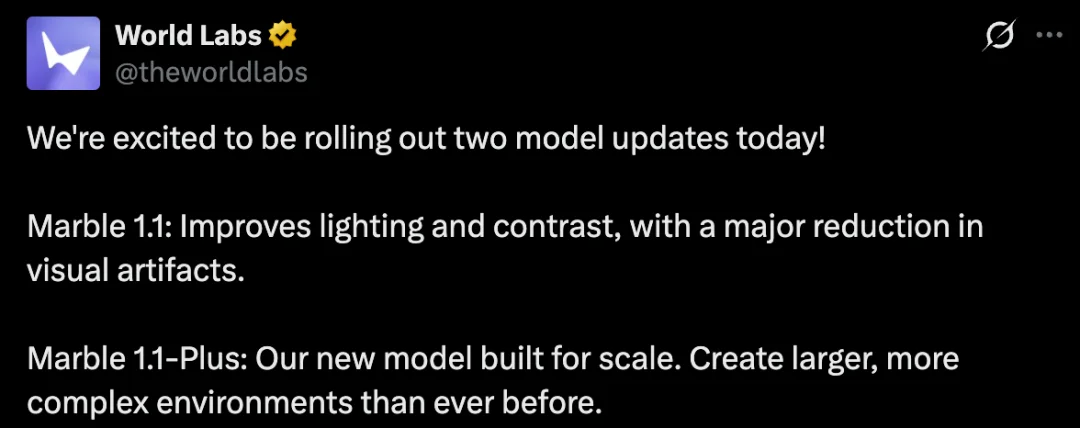
Model Capabilities at a Glance
| Model | Key Strengths | Ideal Use Case |
|---|---|---|
| Marble 1.1 | ✅ Enhanced lighting & contrast ✅ Superior visual consistency ✅ Reduced artifacts & distortions |
High-fidelity scene generation, rapid prototyping, and precise prompt-based editing |
| Marble 1.1-Plus | ✅ Massive-scale world synthesis ✅ Complex topology & multi-room interiors ✅ Seamless boundary extension (via Expand feature) |
Large architectural environments, open-world game assets, cinematic virtual sets |
💡 “Step by step, improving Marble — generating bigger worlds — is not an exaggeration.” — Fei-Fei Li, via X (formerly Twitter)
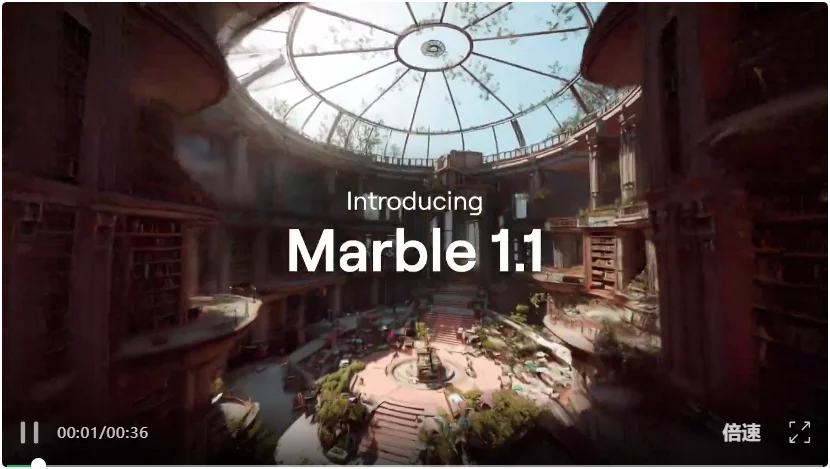
Hands-On Testing Highlights
🌟 Marble 1.1: Precision & Polish
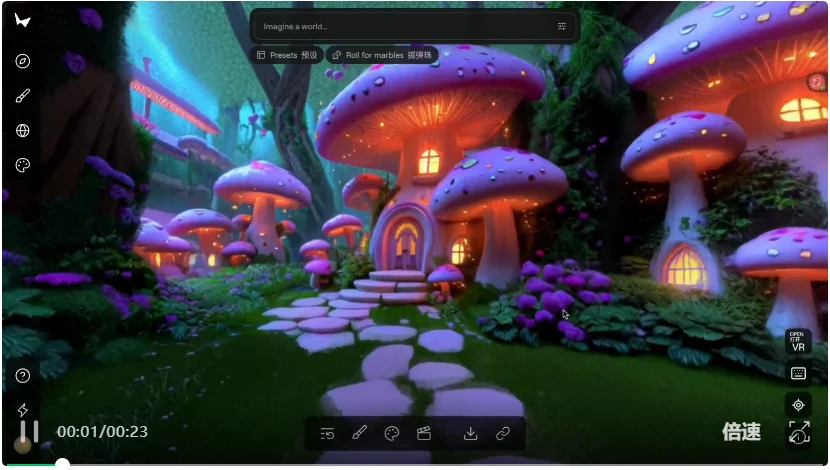
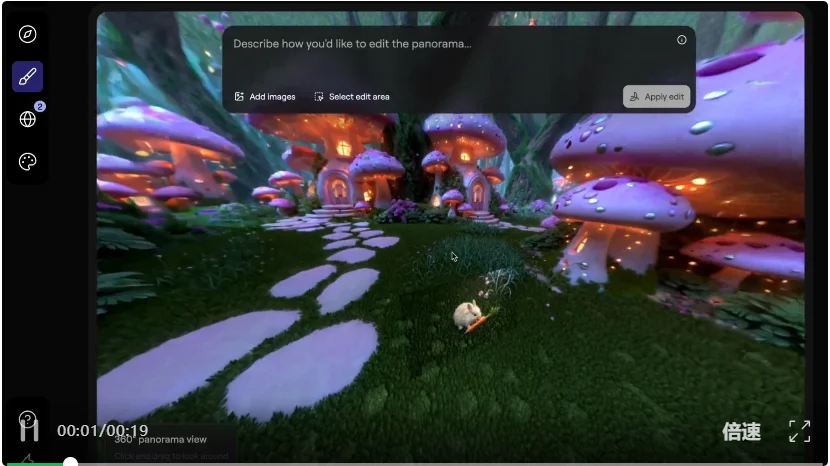
We tested Marble 1.1 using a text prompt describing a whimsical fairy-tale forest:
“A whimsical fairytale scene featuring glowing pink mushroom houses with golden windows, surrounded by lush greenery and twinkling lights in an enchanted forest.”
The result delivered rich color grading, coherent spatial relationships, and nuanced ambient lighting—showcasing dramatic improvements over Marble 1.0.
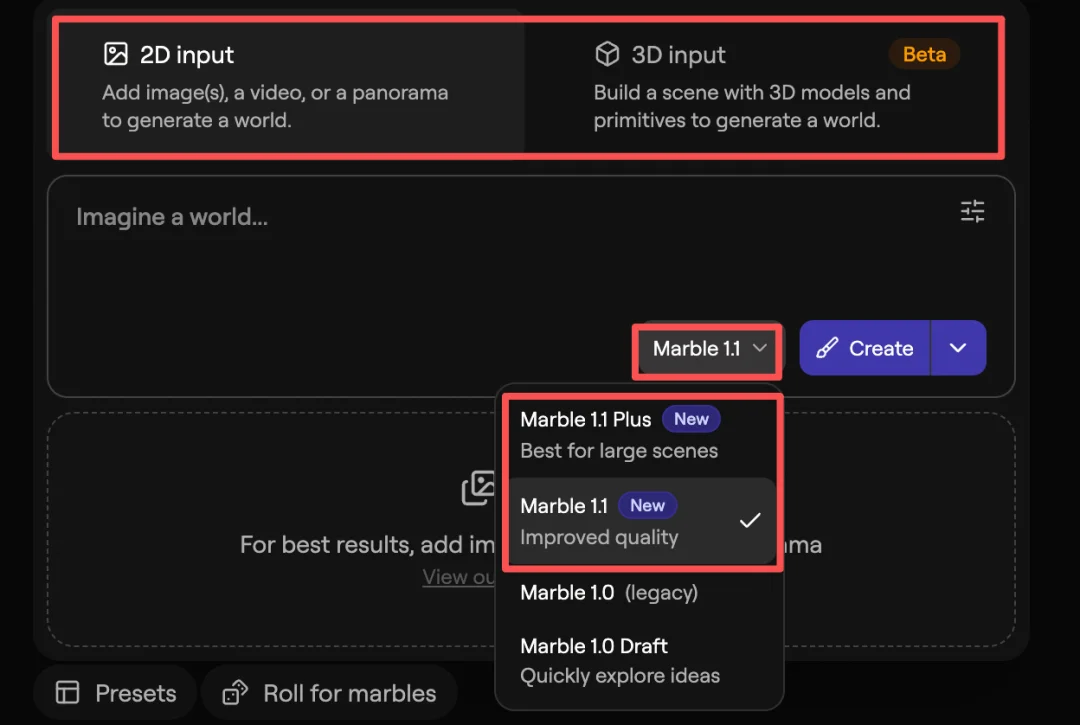
Further tests included:
– A neon-lit retro room overlooking Mount Fuji at sunset
– Interactive panoramic editing: adding a carrot-munching rabbit into the mushroom scene
– Real-time localized edits without regenerating the full world
🏰 Marble 1.1-Plus: Scale & Structural Intelligence
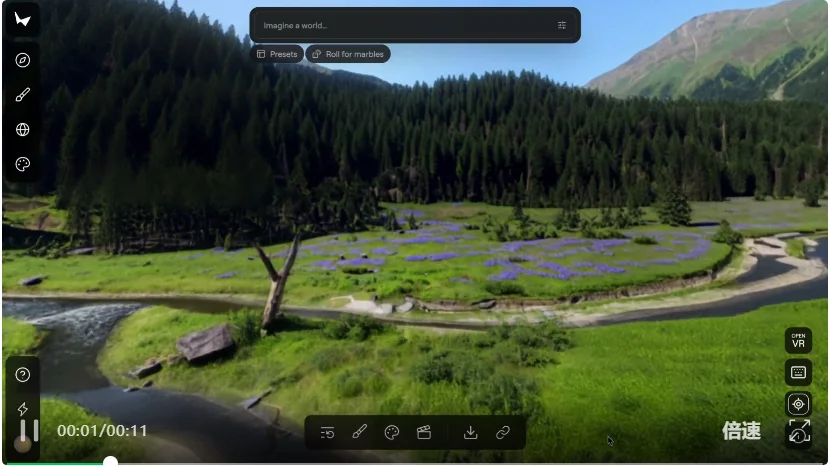
Using a The Good, the Bad and the Ugly still as 2D input, Marble 1.1-Plus generated an expansive, topologically consistent Western landscape—including terrain elevation, layered foliage, and visible interior corners of distant buildings.
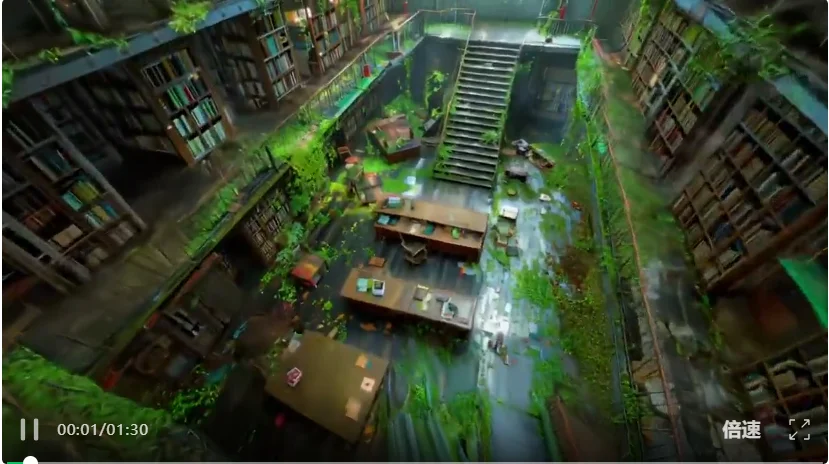
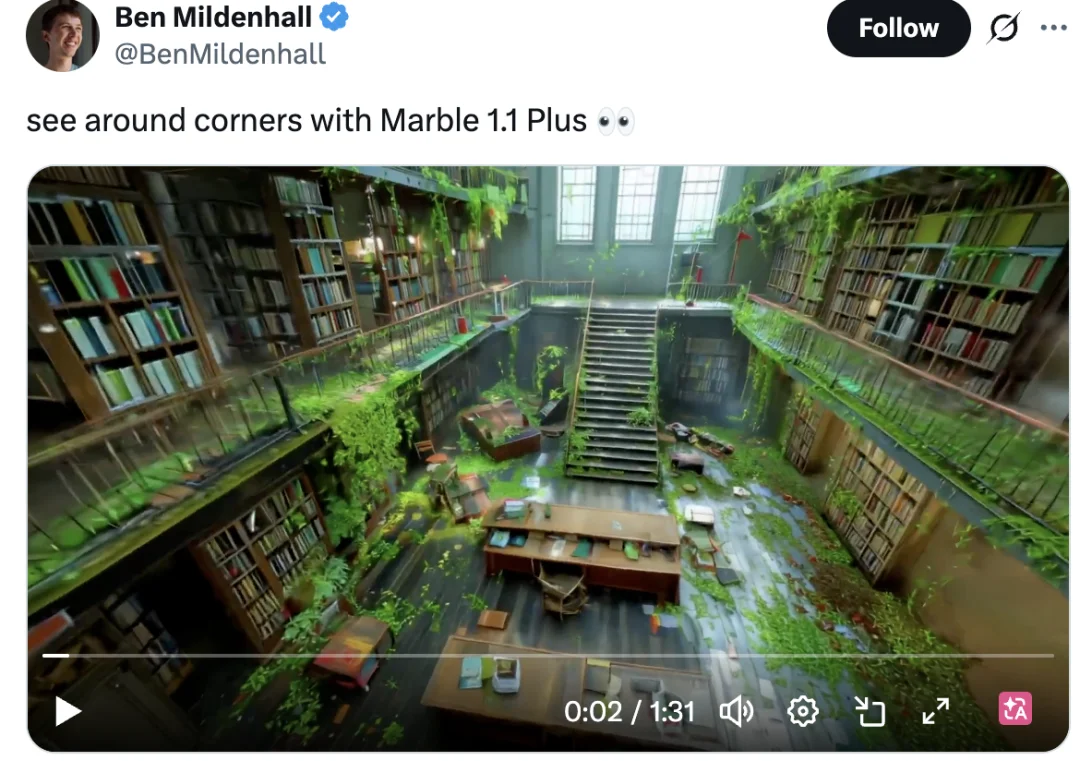
Notably, users report the model renders occluded geometry—such as building interiors and alleyway depth—with surprising accuracy.
Real-World Creator Spotlight
🎨 Studio Reconstruction by Hugues Bruyère
Creative professional Hugues Bruyère used Portal Cam to capture a 360° scan of his physical studio, then fed it alongside a descriptive prompt into Marble 1.1. The output? A reimagined “parallel universe” version—featuring upgraded equipment layouts, dynamic volumetric lighting, and a completely re-envisioned exterior landscape.
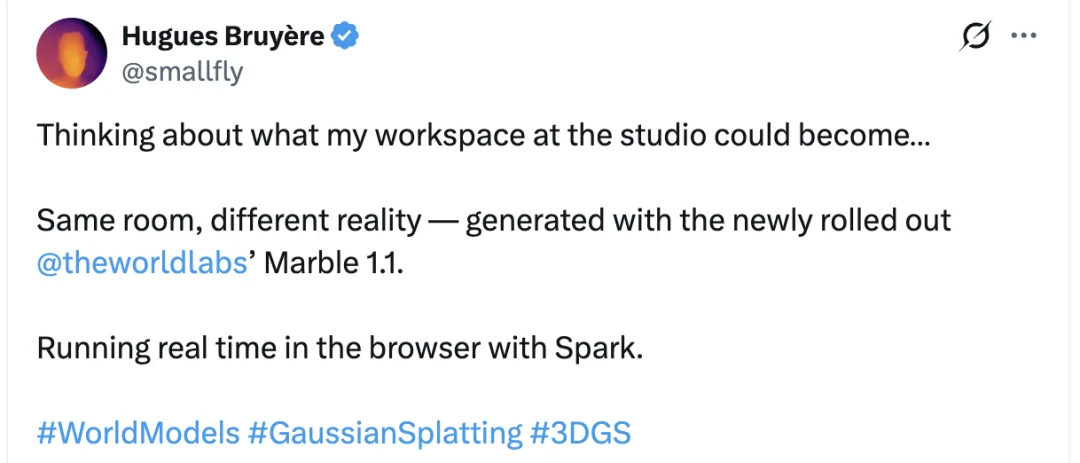
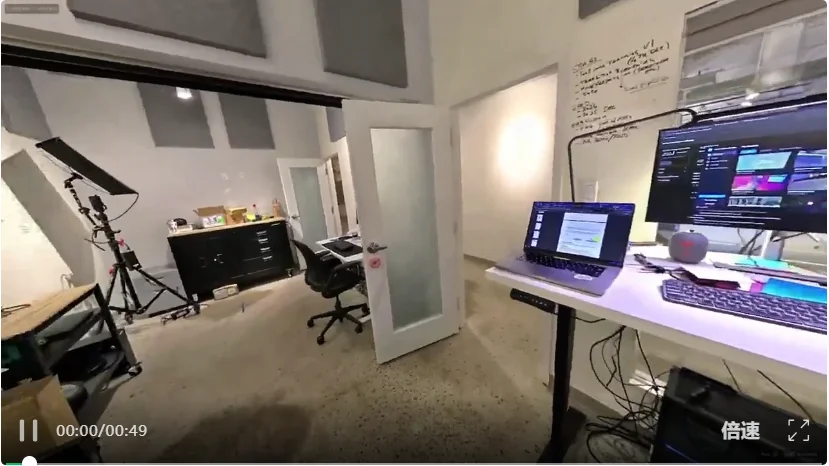
World Labs officially responded: “World Portal — this is so cool!”

Pricing & Accessibility
- Marble 1.1: Default model —
1500 creditsper generation (free upgrade path from Marble 1.0) - Marble 1.1-Plus:
1500 creditsbase +0–1500 creditsvariable fee based on world complexity and size - Marble 1.0 Draft: Fastest iteration model —
150 credits(ideal for prompt engineering & idea validation)
All models are accessible via:
– Web interface: marble.worldlabs.ai
– Production-ready API
Strategic Significance
This dual-model release marks a deliberate evolution—from generating scenes to authoring persistent, scalable worlds. With Marble 1.1 now the default, World Labs signals maturity in reliability and usability; meanwhile, Marble 1.1-Plus establishes a new benchmark for generative 3D scale and structural reasoning.
As stated in the official documentation:
“If you’re just getting started with Marble, begin with Marble 1.1. It’s more stable, higher fidelity, and ready for production use.”
For developers, designers, and world-builders, this isn’t just an update—it’s a foundational leap toward autonomous, high-resolution 3D content creation.
Try it now: marble.worldlabs.ai
References:
– World Labs Marble Documentation
– Radiance Fields Coverage
– X Post — World Labs
– X Post — Dr. Fei-Fei Li
Article originally published by MachineHeart; authors: Youli & Yang Wen.