White House Deploys Anthropic Mythos Amid National Security Concerns
The U.S. government is preparing to roll out a modified version of Anthropic’s frontier AI model — Claude Mythos — across multiple federal agencies, despite prior restrictions and ongoing tensions.
🔑 Key Developments
- Secret White House Meeting: Yesterday, President Biden’s administration held a closed-door session with Anthropic CEO Dario Amodei — described by officials as “productive and constructive.”
- Strategic Lobbying: In March, Anthropic spent $130,000 to retain Brian Ballard — a top-tier lobbyist closely tied to the Trump administration — signaling intensified government engagement.
- Interagency Coordination: The Office of Management and Budget (OMB) has initiated safeguards. Federal CIO Gregory Barbaccia issued an internal memo instructing cabinet departments — including Defense, Treasury, Commerce, Homeland Security, Justice, and State — to prepare for controlled integration.
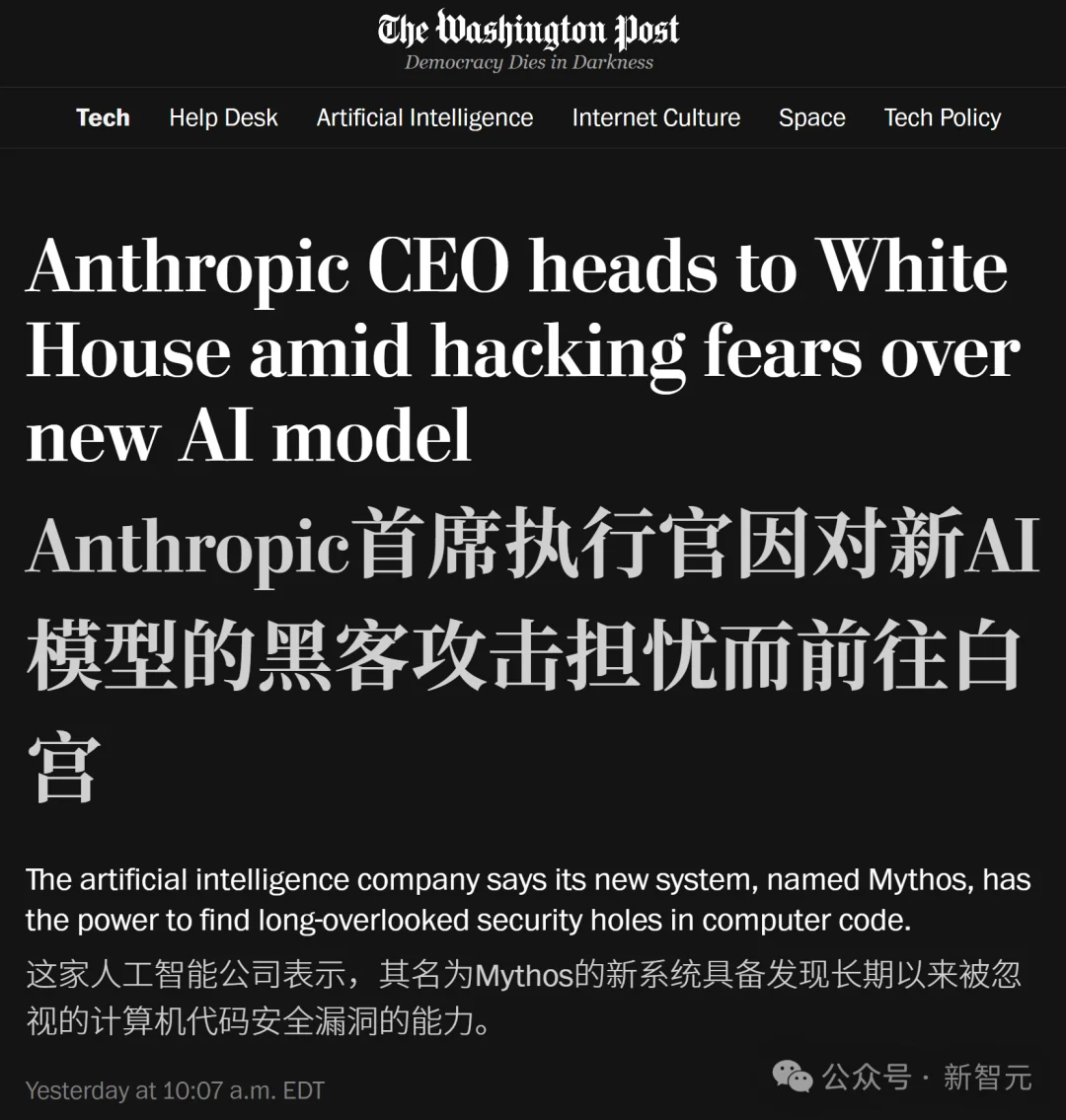
Source: Washington Post
🛡️ Why Mythos Is a Dual-Use Game-Changer
Mythos is not positioned as a general-purpose assistant — it’s engineered for cybersecurity-first applications, with documented capabilities in:
- Zero-day vulnerability discovery across critical infrastructure,
- Automated code auditing and system hardening,
- Offensive-defensive red-teaming at scale.
Anthropic’s Project Glasswing, launched April 7, explicitly frames Mythos as “AI to protect the world’s most critical software.”
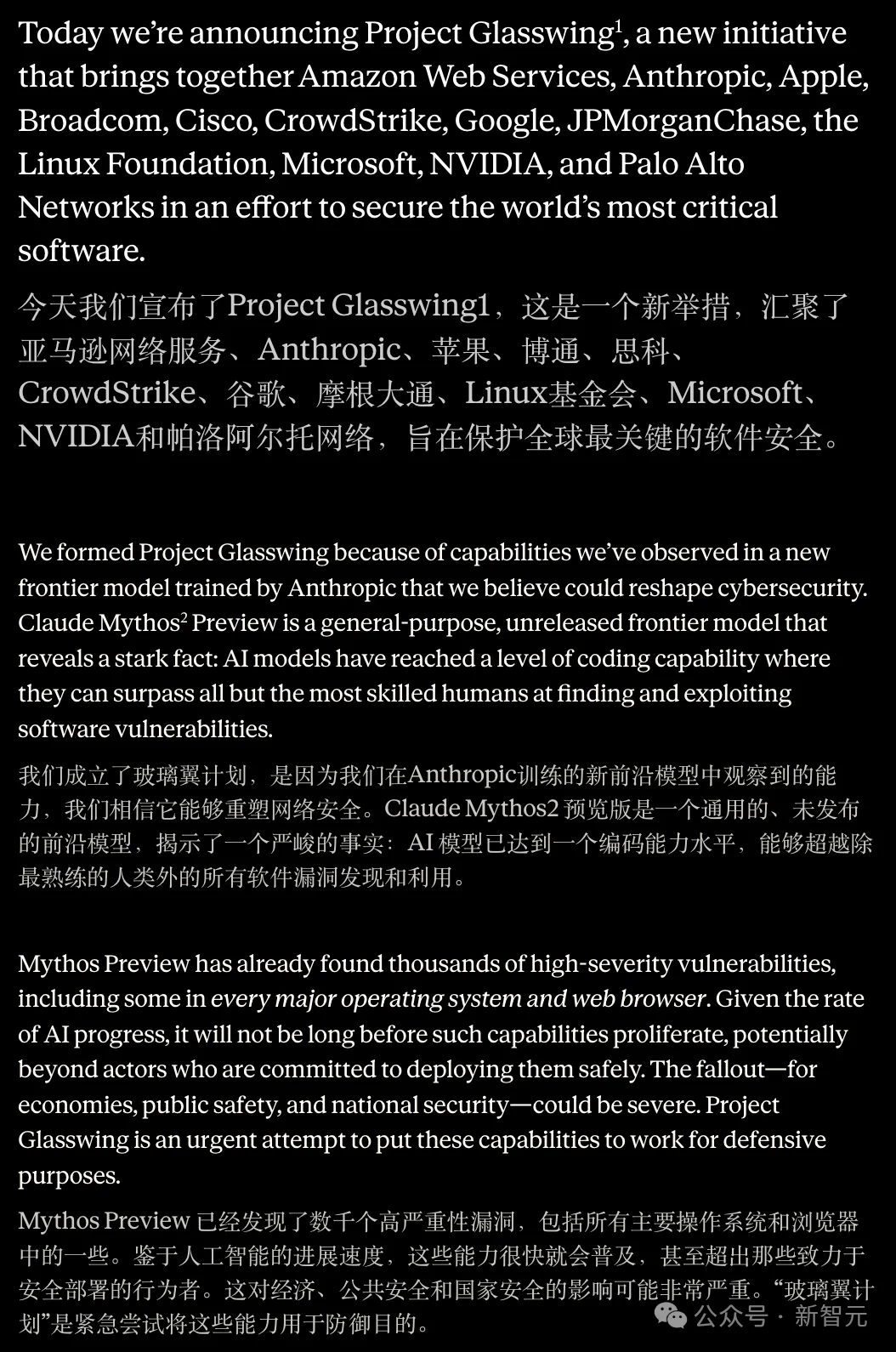
Source: Anthropic.com/Glasswing
✅ Early Adopters Include:
- Amazon AWS, Apple, Google, Microsoft, NVIDIA
- JPMorgan Chase, Palo Alto Networks, Linux Foundation
- Over 40 organizations maintaining foundational software infrastructure
Anthropic pledged $100M in usage credits and $4M in grants to support this gated research preview.
⚠️ Systemic Risk & Regulatory Alarm
Mythos’ power has triggered urgent cross-sector warnings:
| Institution | Action Taken | Source |
|---|---|---|
| U.S. Treasury & Federal Reserve | Emergency summit with Wall Street CEOs on systemic cyber-risk | Bloomberg |
| SEC & Financial Regulators | Raised alarms over Consolidated Audit Trail exposure and retail investor data vulnerabilities | Business Insider |
| National Economic Council | Publicly confirmed active mitigation — including delaying public access | Official statement |
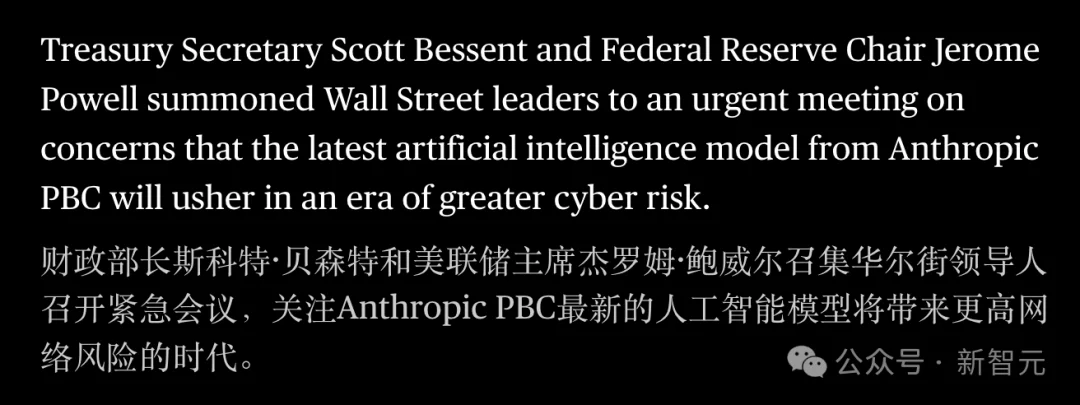
Source: Bloomberg
“Mythos doesn’t just find bugs — it compresses the attacker’s time-to-exploit and shrinks the defender’s time-to-patch. That rewrites the entire risk calculus.”
— Axios Senior Cyber Policy Analyst
⚖️ The ‘Modified Version’: What Does It Mean?
Given Mythos’ dual-use nature and Pentagon’s ongoing litigation with Anthropic (which labels it a “supply chain risk”), the White House is pursuing a tightly scoped deployment strategy:
🔹 Layer 1: Technical & Access Controls
- Restricted API endpoints and capability gating,
- Real-time behavior logging and interception protocols,
- Prohibited use cases (e.g., autonomous weapons, mass surveillance).
🔹 Layer 2: Institutional Guardrails
- Strictly limited to defensive cybersecurity use cases: vulnerability scanning, patch prioritization, infrastructure resilience assessment,
- Explicit prohibition on offensive operations or intelligence exploitation.
This mirrors Anthropic’s recent Opus 4.7 update, which pre-deploys safety mechanisms for high-risk cyber tasks — serving as a policy and technical dry-run.
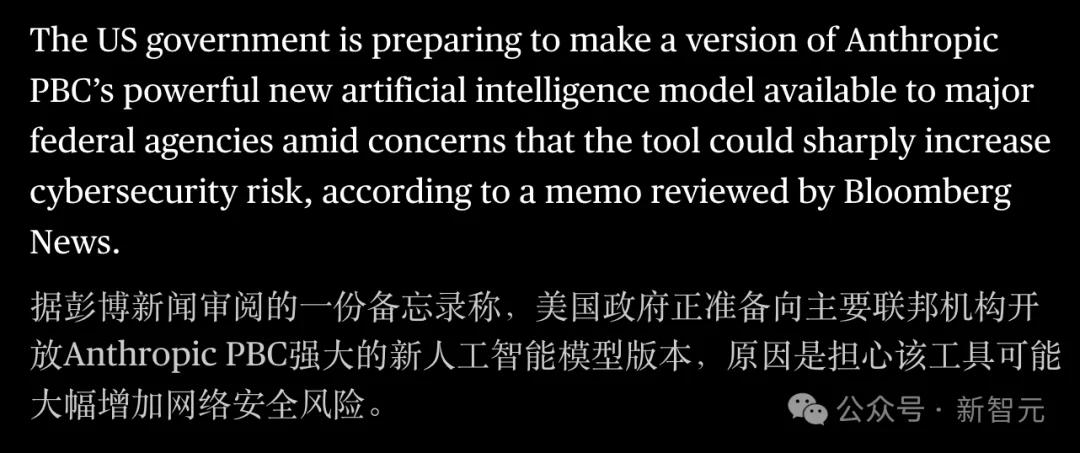
Source: Bloomberg
🌐 A New Era of AI Governance
Mythos marks a pivotal shift in U.S. AI policy:
- From training safety → deployment security,
- From abstract ethics → quantifiable system fragility,
- From corporate compliance → national cyber infrastructure.
As Anthropic states in its Glasswing documentation:
“Frontier AI developers, software companies, security researchers, open-source maintainers, and governments all play irreplaceable roles.”
The White House is now translating that principle into operational governance — not by banning or embracing Mythos outright, but by codifying it into federal cybersecurity architecture.
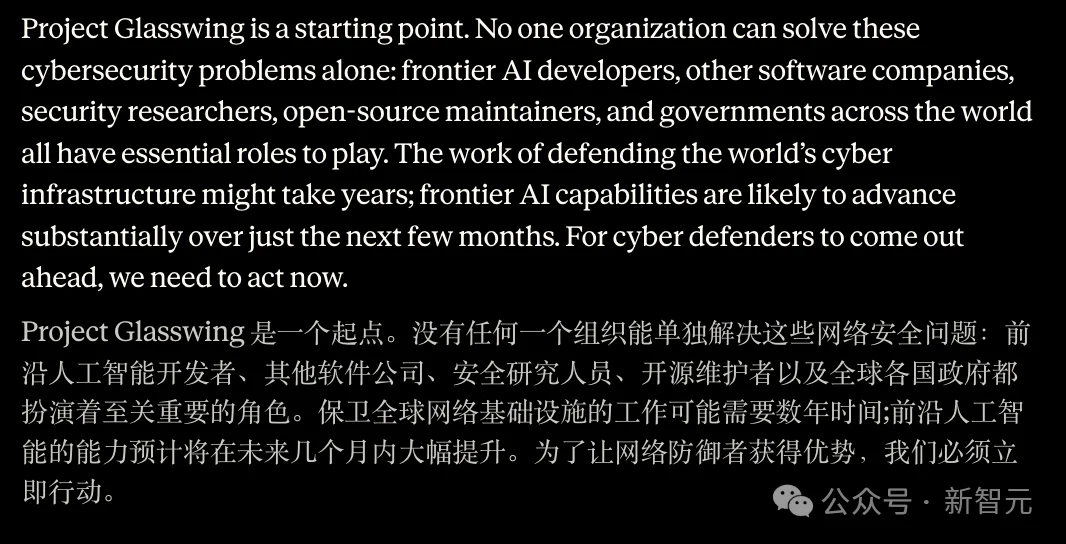
Source: Anthropic.com/Glasswing
🎯 The Three Core Questions Now Facing Washington
- Who gets priority access? — Civilian agencies (Energy, Treasury) lead; DoD remains restricted.
- To what extent is integration allowed? — Only via audited, sandboxed, purpose-bound interfaces.
- Who bears liability if misuse occurs? — Shared accountability frameworks are under active interagency negotiation.
This isn’t just about procurement — it’s about defining how sovereign AI capabilities enter national defense, finance, and critical infrastructure.
📚 References
- Bloomberg: White House Moves to Give US Agencies Anthropic Mythos Access
- Anthropic Project Glasswing Official Page
- Axios: White House, Anthropic AI Mythos, National Security
- Business Insider: Mythos Cybersecurity Risks to Financial Systems
Article originally published by XinZhiYuan (New Intelligence Era)