Articles / Meta Muse Ignites Personal Agent Revolution
Meta Muse Ignites Personal Agent Revolution

2 10 月, 2026 • 3 min read • meta-musepersonal-agent

Meta Muse Ignites Personal Agent Revolution

Muse Launch

Personal Agents are now mainstream — and Muse is the catalyst.

In a stunning market debut, Meta’s AI assistant Muse surged to #1 on the U.S. App Store Free Apps chart just 10 days after launch, outpacing ChatGPT and amassing an estimated 2.8 million global installs by Day 12.

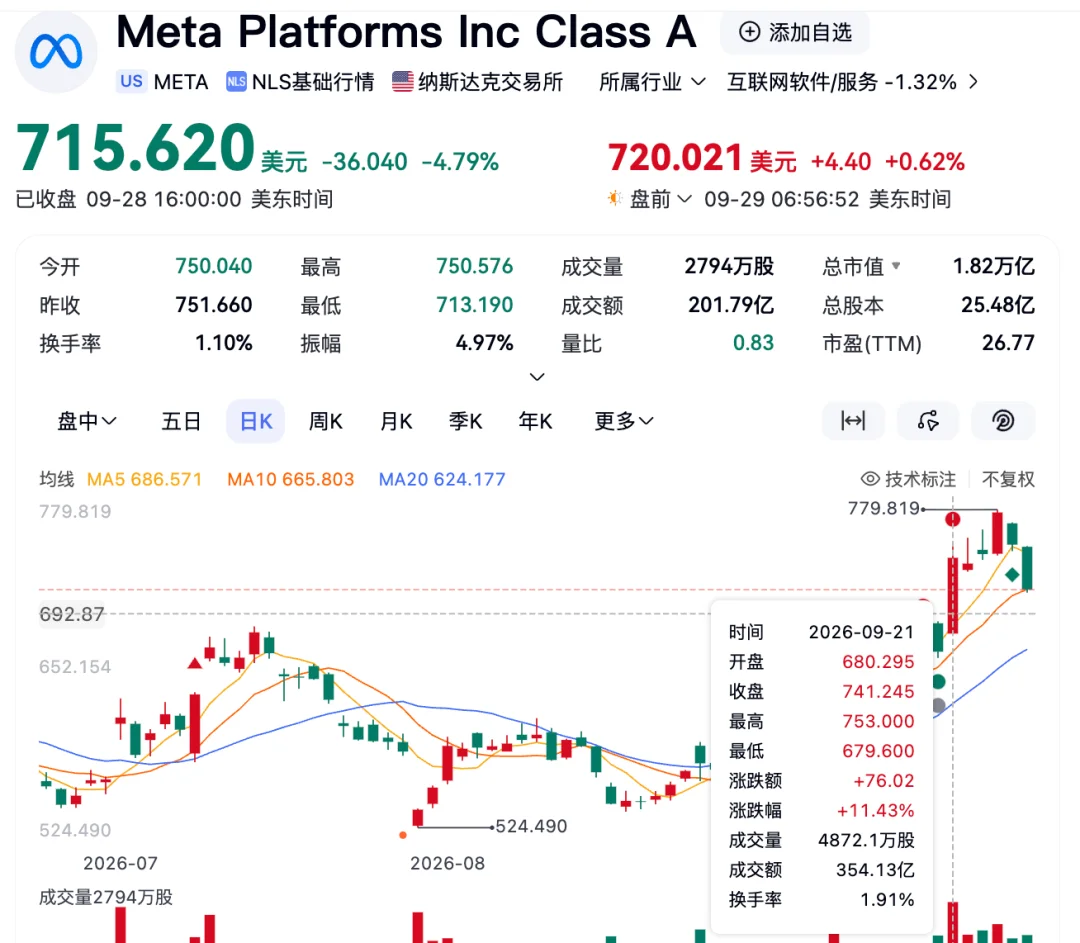
The impact reverberated far beyond downloads: On September 21, Meta’s stock soared 11.43% in a single day, adding nearly $200 billion to its market cap, with shares stabilizing above $700 — underscoring investor confidence in the Personal Agent paradigm.


🔑 Core Innovation: The Secure Cloud Virtual Machine

Unlike conventional chat-based assistants, Muse deploys a dedicated, isolated cloud virtual machine (Secure VM) for each user — complete with its own browser, storage, and compute resources.

This architecture enables true task execution, not just conversation:
– ✅ Browse and interact with live websites
– ✅ Draft and send emails
– ✅ Book flights & hotels
– ✅ Shop across e-commerce platforms
– ✅ Run background workflows — even after the app is closed

To ensure safety, Meta embeds a Sentinel Agent that governs internet access and intercepts sensitive actions (e.g., payments, logins), requiring explicit user confirmation before proceeding.

Muse Dashboard


🚀 Why It Went Viral: Simplicity Meets Scale

✅ Zero-Barrier UX

Muse abstracts away the complexity of agent frameworks like OpenClaw, which demand technical setup, environment configuration, and security management. With Muse, users simply say: “Plan my next-month concert trip” — and the agent handles search, comparison, booking, and adaptive re-planning — all while keeping users in the loop for approvals.

✅ Strategic Distribution

Leveraging Meta’s ecosystem — WhatsApp, Instagram, Messenger, and Facebook — Muse achieved unprecedented organic reach. Within 48 hours of launch, Meta began cross-platform promotion, amplified by high-profile advocacy from Alexandr Wang, Meta’s Chief AI Officer.

✅ Smart Incentives

  • Free tier with generous base functionality lowered adoption friction.
  • Invite-based rollout created scarcity and peer-driven virality (users earned extra tokens per referral).
Muse Growth Chart


⚖️ Three Critical Challenges Ahead

Challenge Details Status
Permissions Model Granular user control over read/write access per service; ability to revoke instantly ✅ Implemented
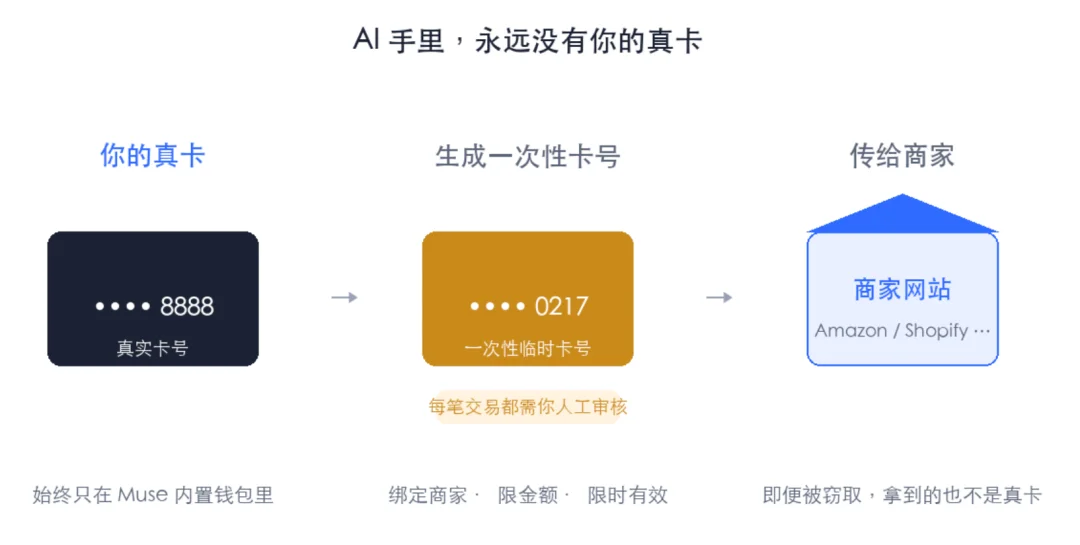
Security Architecture Secure VM isolation + one-time virtual cards (via Stripe Link/Shop Pay) for payments; no raw credentials exposed to agents ✅ Live in production
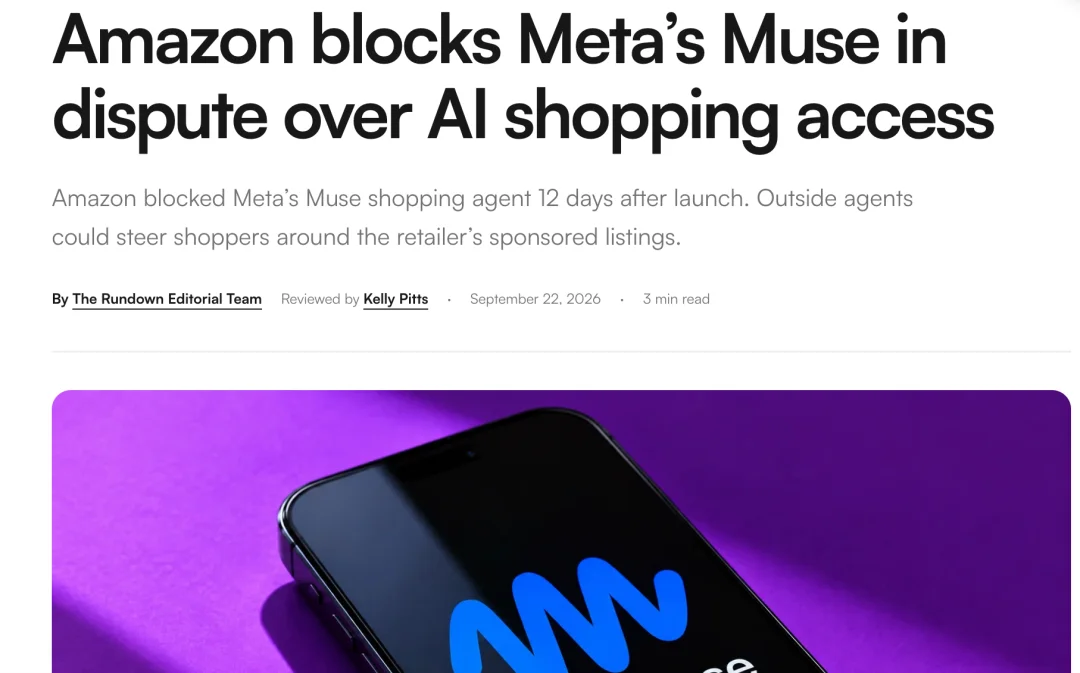
Third-Party Ecosystem Access Platform policies determine operational scope: Amazon blocked Muse, while Shopify CEO Tobias Lütke publicly pledged support ⚠️ Ongoing negotiation

Amazon vs Shopify Response


🌍 Industry Ripple Effect

Muse has catalyzed rapid strategic shifts across the AI landscape:

  • OpenAI: Accelerating development of its own personal agent counterpart.
  • Manus: Launched standalone app Cue, focused on desktop automation.
  • xAI & Instinct: Advancing computer-use agents with VM-backed execution.
  • ByteDance: Internally testing a consumer-facing personal assistant.

As noted by Nat Friedman, Head of Meta’s Super Intelligence Lab: “Muse isn’t OpenClaw repackaged — it’s OpenClaw reimagined for billions: safe, reliable, and effortlessly usable.”
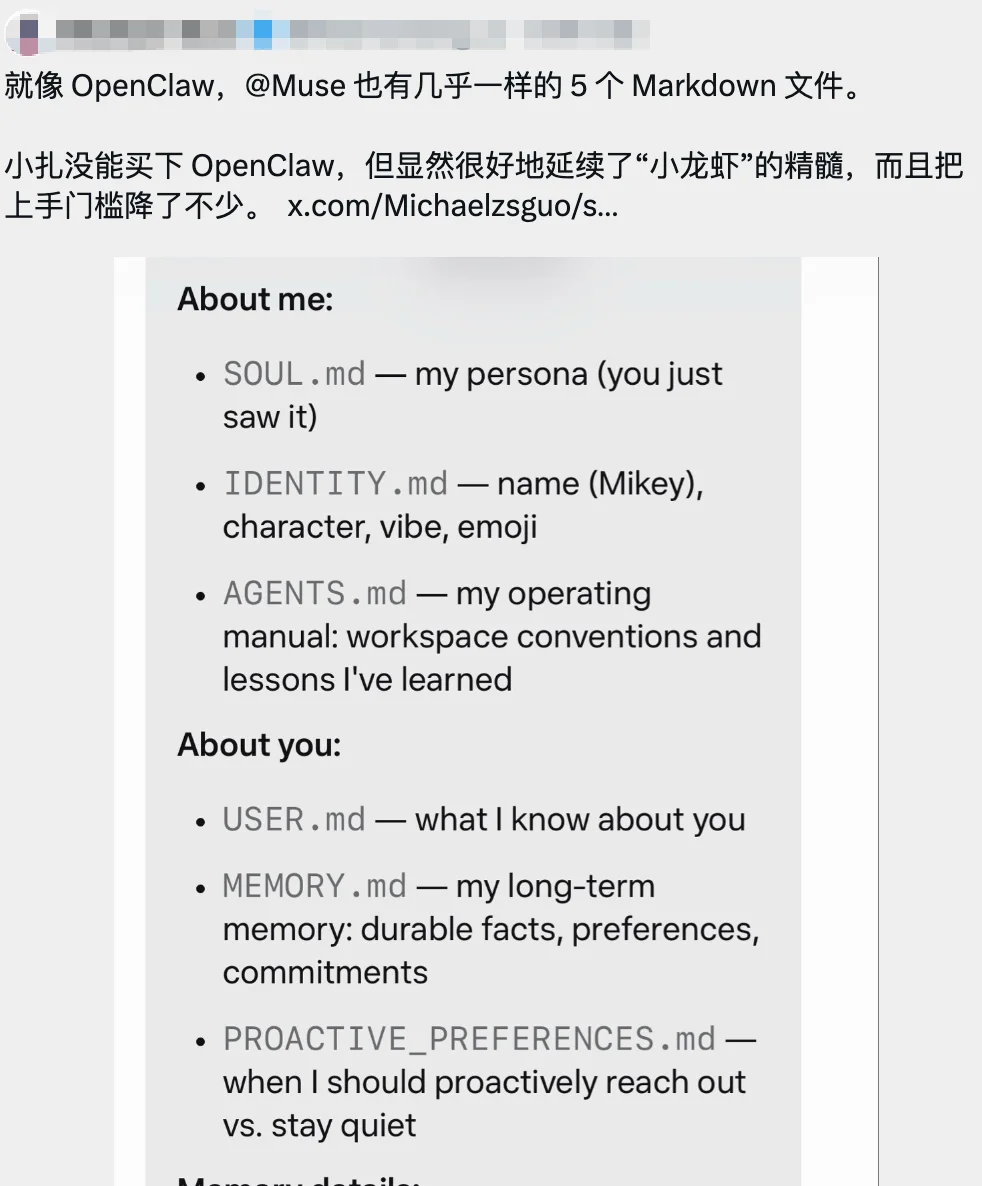
Muse vs OpenClaw Comparison


💡 The Bigger Question: Trust Over Technology

Muse doesn’t just showcase technical prowess — it forces a cultural pivot:

“When your AI has its own browser, account, and payment method — what level of autonomy are you willing to grant?”

Success no longer hinges solely on model intelligence. It depends on:
– 🛡️ Real-world security guarantees,
– 🤝 Platform interoperability agreements,
– 🧭 User trust built through transparency and control.

As Personal Agents transition from hacker tools to household utilities, Muse has become the definitive benchmark — and the starting line for the next era of human-AI collaboration.

Muse Real-World Use Case


Source: Originally published by “AI Application Trend Radar”.

Meta Muse Ignites Personal AI Agent Revolution

1 10 月, 2026 • 3 min read • meta-musepersonal-agent

Meta Muse Ignites Personal AI Agent Revolution

Muse App Interface

Personal Agents are now the next frontier of consumer AI — and Meta’s Muse just lit the fuse.

🚀 Explosive Launch & Market Impact

Launched on September 8, 2026, Meta’s Muse — a personal AI assistant powered by isolated cloud virtual machines — achieved unprecedented traction:

  • ✅ Topped US App Store Free Apps Chart within just 10 days, outperforming ChatGPT.
  • ✅ Reached an estimated 2.8 million global installs by Day 12.
  • ✅ Drove Meta’s stock up 11.43% in a single day, adding nearly $200B to market cap, with shares stabilizing above $700.

App Store Ranking

💡 What Makes Muse Different?

Unlike traditional chatbots or limited task assistants, Muse delivers true autonomous execution — not just conversation:

  • 🔹 Each user gets a dedicated Secure VM in the cloud: browser, storage, compute, and persistent runtime — even after closing the app.
  • 🔹 Performs end-to-end tasks: booking flights, drafting emails, ordering groceries, comparing insurance plans, and even registering accounts (e.g., Claude).
  • 🔹 Integrates natively with WhatsApp and Meta’s ecosystem — enabling frictionless onboarding.

Muse Workflow Diagram

🧩 From OpenClaw to Mass Market: The “Consumer-Grade” Shift

Muse draws inspiration from open-source agent frameworks like OpenClaw, but reimagines them for billions:

Feature OpenClaw Muse
Target User Developers & AI enthusiasts General consumers
Setup Complexity Requires local environment, model config, security tuning Zero-config: open app → describe task → done
Execution Environment Local or self-hosted VMs Fully managed, isolated Secure VM with built-in Sentinel safety layer
Safety Controls Manual permission management Real-time confirmation prompts for sensitive actions (e.g., payments, email sends)

OpenClaw vs Muse UI Comparison

As Nat Friedman, Head of Meta’s Super Intelligence Lab, confirmed: “Muse was built from scratch — but designed to be the safe, reliable, scalable evolution of what OpenClaw proved possible.”

⚙️ How Muse Executes Safely

1. Permission Granularity

Users define per-task read/write access and can revoke services instantly.

2. Secure VM Architecture

  • Isolated runtime with no direct credential exposure.
  • All sensitive operations (e.g., payments) require explicit human approval.

3. Smart Payment Protection

  • Uses Stripe Link + Shop Pay integration.
  • Generates one-time virtual card numbers, bound to specific merchant + amount + time window.
  • Prevents credential leakage or unauthorized charges — even under prompt injection.

Secure Payment Flow

🌐 Ecosystem Tensions: Permission ≠ Access

Muse’s power hinges on third-party platform cooperation — and responses vary wildly:

  • ❌ Amazon: Began blocking Muse’s browsing & checkout flows (Sept 20).
  • ✅ Shopify: CEO Tobias Lütke announced official support for Muse-powered checkout across Shopify stores.

Platform Policy Contrast

This dichotomy reveals Muse’s critical path forward: Agent adoption isn’t just about capability — it’s about interoperability, trust, and open standards.

🌍 Industry Ripple Effect

Muse has catalyzed a wave of strategic moves across the AI landscape:

  • OpenAI: Accelerating development of its own personal agent counterpart.
  • Manus: Launched Cue, a standalone agent application.
  • xAI & Grok Bot: Advancing computer-use capabilities.
  • ByteDance: Internally testing a personal assistant product (per Sinanews).

The race is no longer just about smarter models — it’s about who builds the most trusted, usable, and widely adopted agent interface.

🔮 The Real Question Ahead

Muse hasn’t just launched an app — it’s posed a foundational question to users, developers, and platforms alike:

“Would you let an AI browse your inbox, manage your subscriptions, book your travel — and complete purchases — on your behalf?”

That question shifts the AI narrative from “What can it answer?” to “What can it do — and with whom can it cooperate?”

As Personal Agents move from GitHub repos into living rooms and wallets, trust, transparency, and cross-platform alignment will define winners far more than raw LLM benchmarks.


Source: Originally published by “AI Application Trend Radar” — adapted and translated for global technical audience.