Meta Unveils Muse Image: First Agent-Based AI Image Generator
Meta Superintelligence Labs has officially launched Muse Image, its first agent-native image generation model — marking a paradigm shift from traditional text-to-image systems toward autonomous, tool-using AI agents. Simultaneously, Meta previewed Muse Video, its next-generation video generation counterpart.
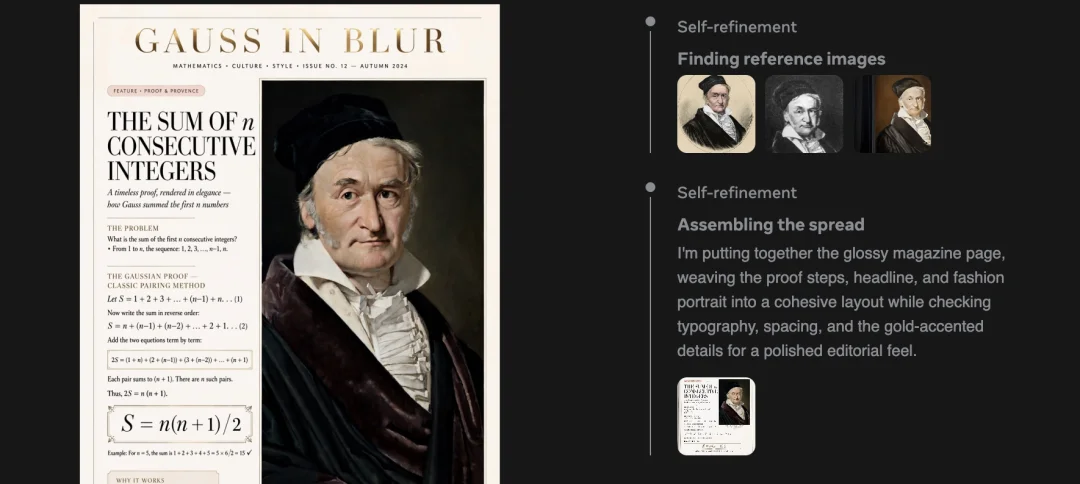
Beyond Pixel Mapping: An AI Agent That Thinks and Acts
Unlike conventional diffusion models, Muse Image operates as a reasoning agent — dynamically selecting, executing, and iterating over tools to produce high-fidelity, semantically grounded visuals.
✅ Code Generation & Dynamic Output Integration
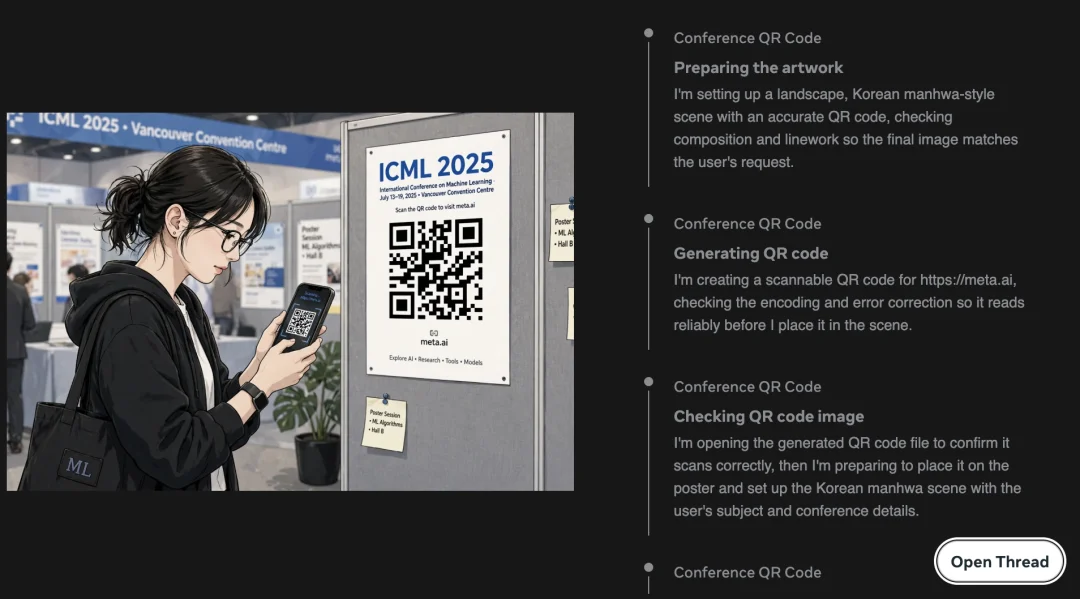
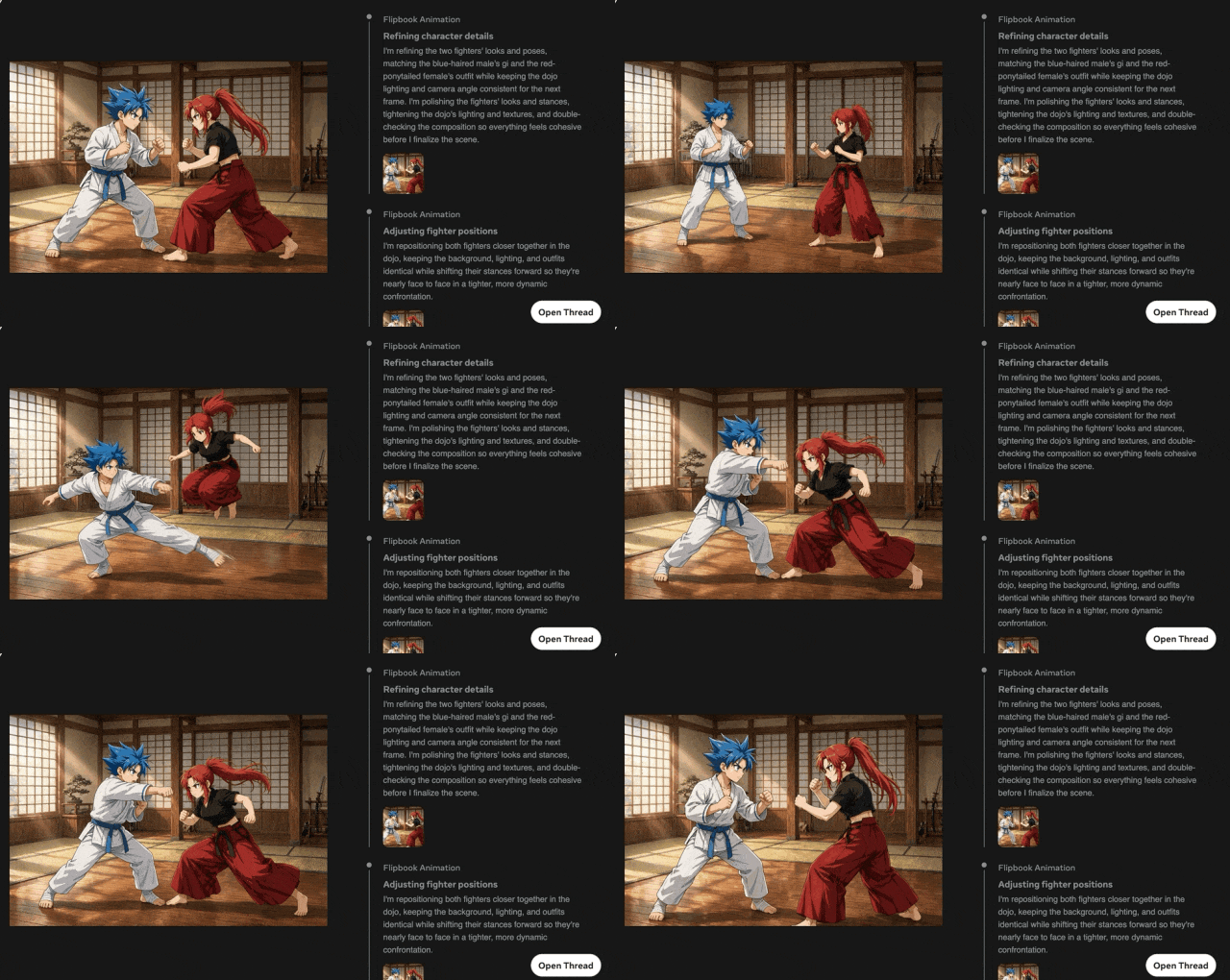
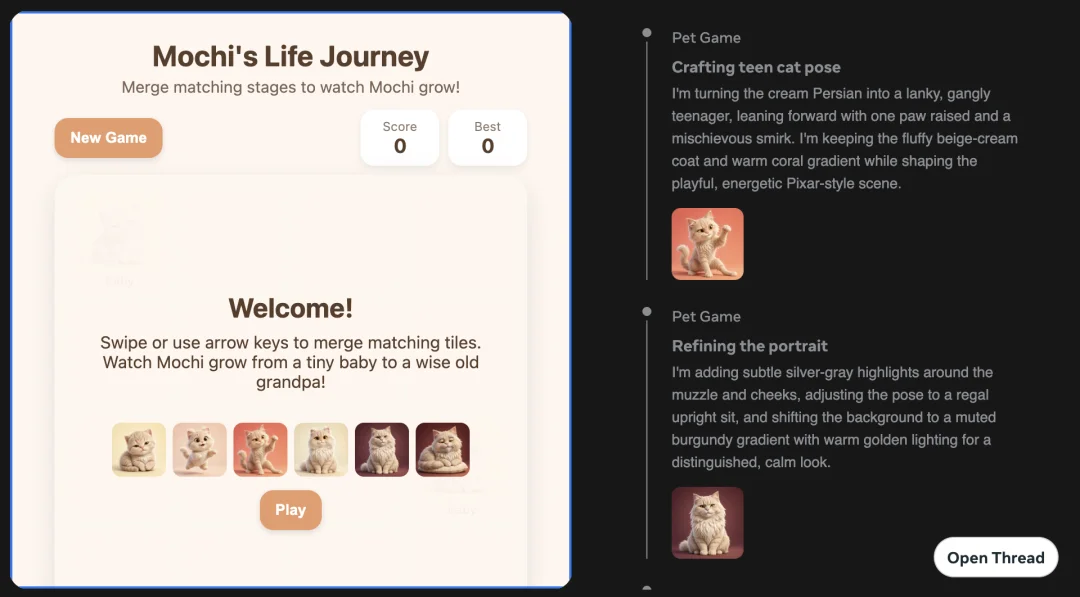
Muse Image can write executable code during generation to create:
– Precise technical diagrams and scannable QR codes
– Animated GIFs and interactive web pages (HTML + JavaScript)
– Fully functional mini-games — e.g., transforming a pet photo into a playable browser-based game
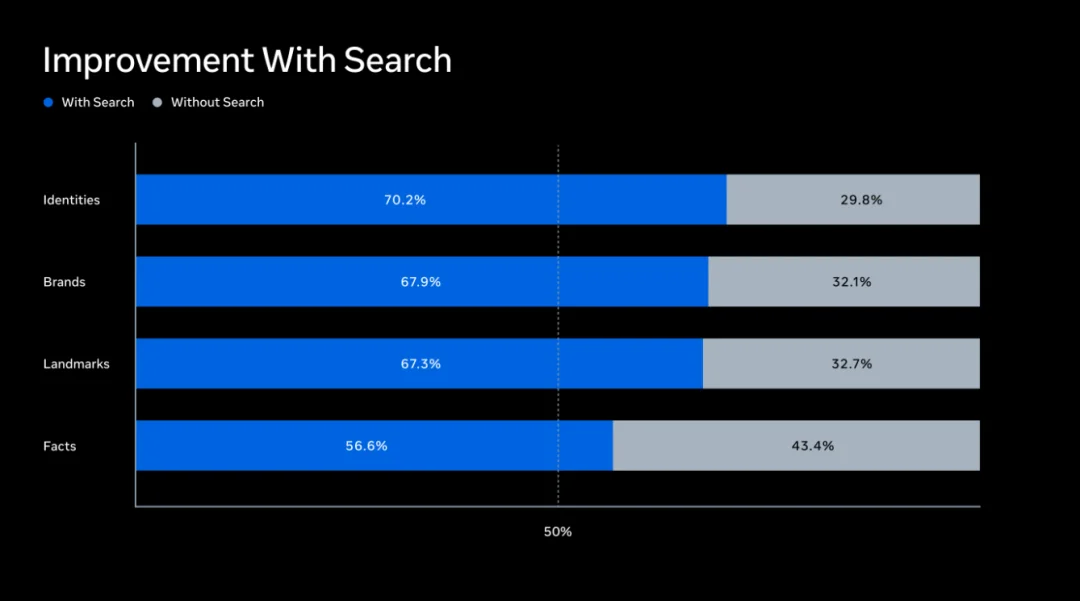
🔍 Real-Time Web Search for Contextual Accuracy
Integrated search capability enables Muse Image to retrieve up-to-date visual references and factual context — dramatically improving fidelity on time-sensitive or knowledge-dependent prompts (e.g., breaking news, brand logos, architectural landmarks).
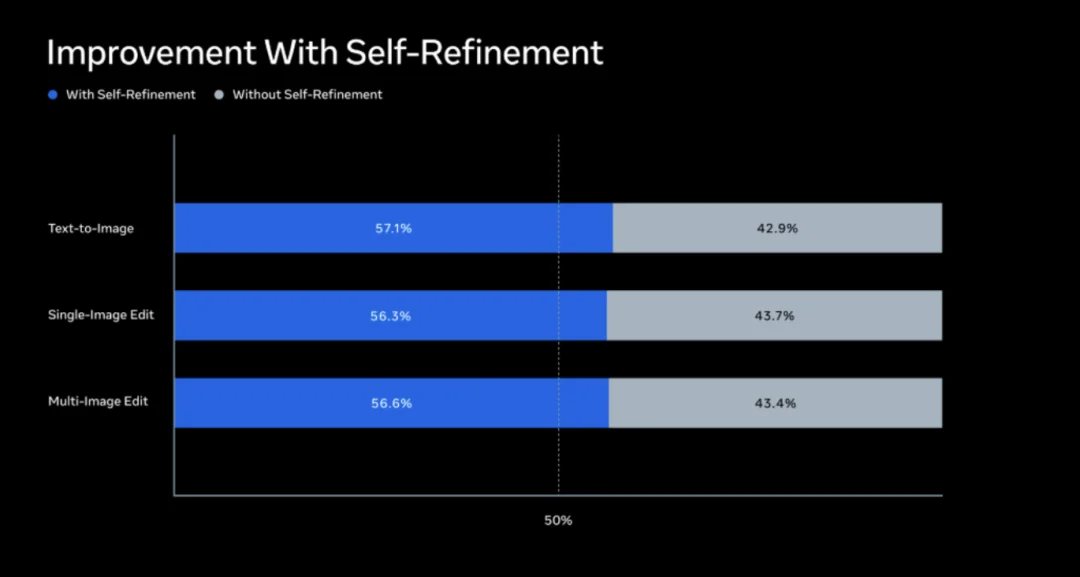
🧠 Self-Correction Through Chain-of-Thought Reasoning
Trained with reinforcement learning, Muse Image exhibits emergent self-reflection:
– Detects inconsistencies within its own thinking process
– Performs localized edits for minor flaws
– Triggers full regeneration or tool invocation when fundamental errors occur
This behavior is not hardcoded — it’s learned end-to-end to maximize human preference scores.
⏳ Longer Reasoning → Higher Quality
Mirroring LLM inference scaling, Muse Image supports compute-time scaling:
– More reasoning steps = more tool calls = more iterations = higher output quality
– Empirical results show near-log-linear improvement in fidelity vs. inference budget
🎨 Advanced Editing & Multi-Reference Synthesis
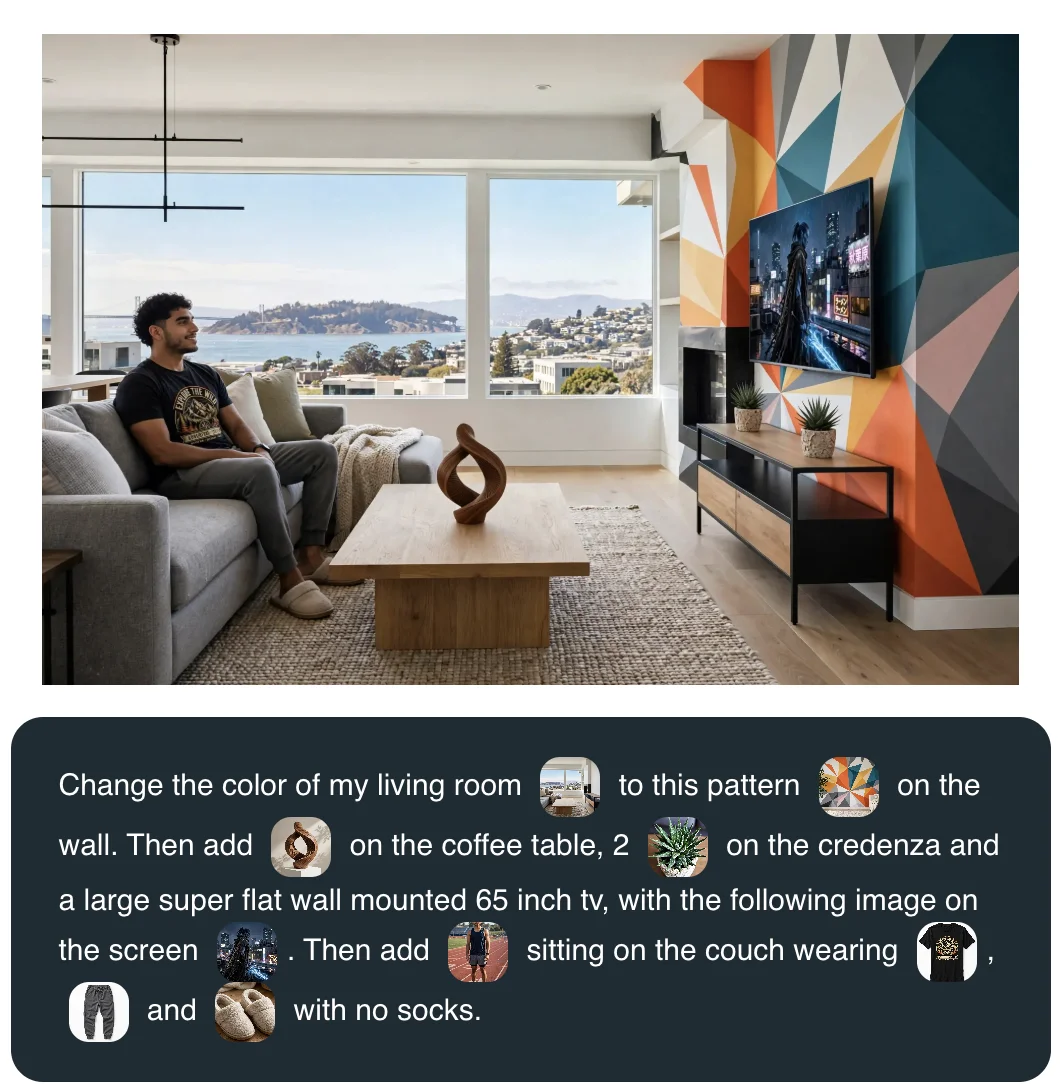
Muse Image delivers production-grade editing capabilities:
- Multi-turn dialogue editing: Refine iteratively — e.g., “Convert this living room to Japandi style”, “Keep the original pendant light”, “Show before/after side-by-side”
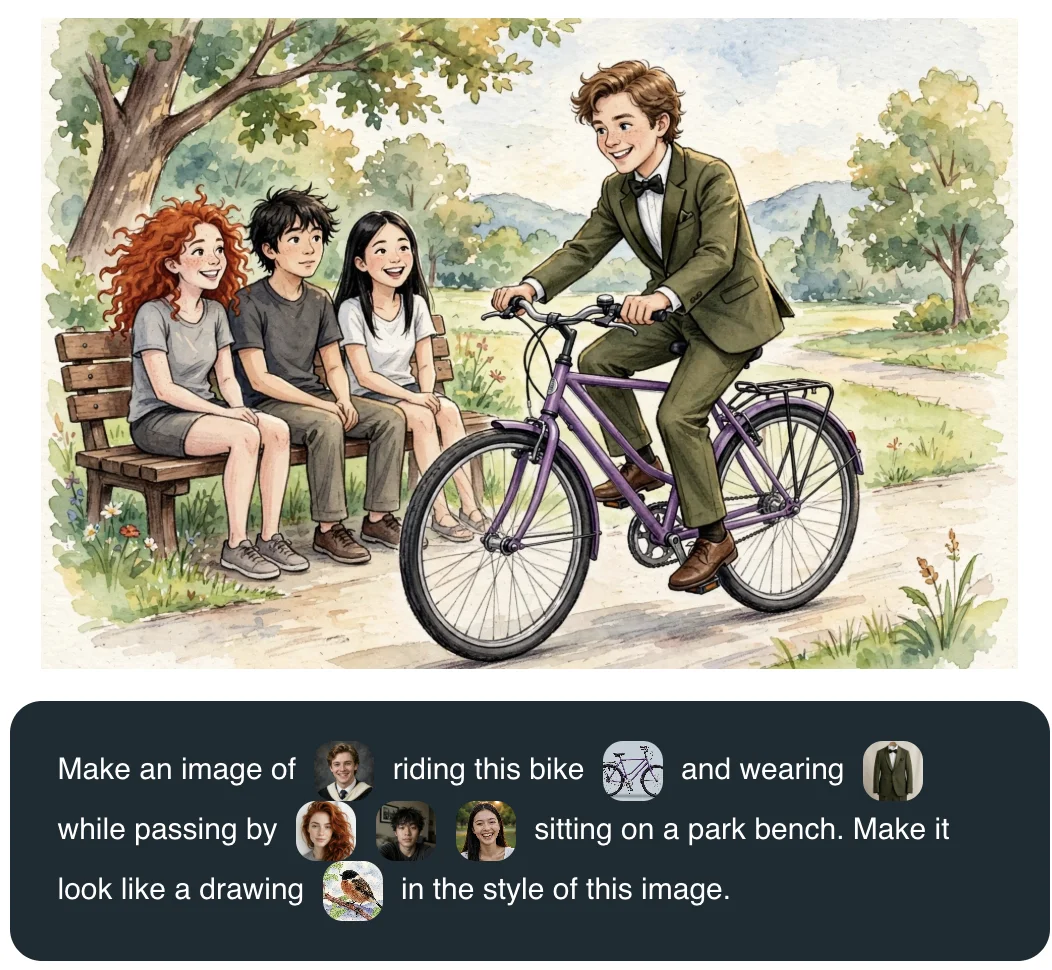
- Multi-reference composition: Seamlessly fuse elements from multiple input images (person + outfit + bike + background style) under unified prompt guidance
🏆 Arena Ranking & Ecosystem Integration
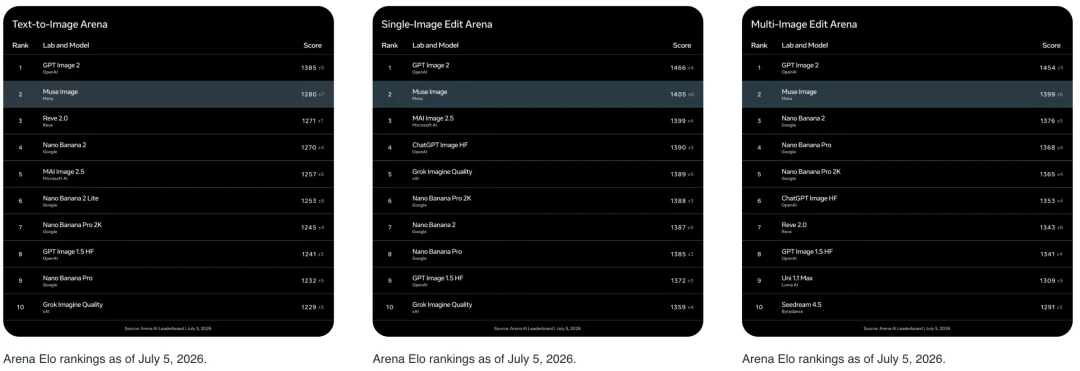
- Ranked #2 in human preference evaluations on the Arena leaderboard
- Already deployed across:
- Meta AI mobile app & web interface
- Select regional Instagram and Facebook experiences
- Creator-facing APIs (coming soon)
▶️ Muse Video: Early Preview
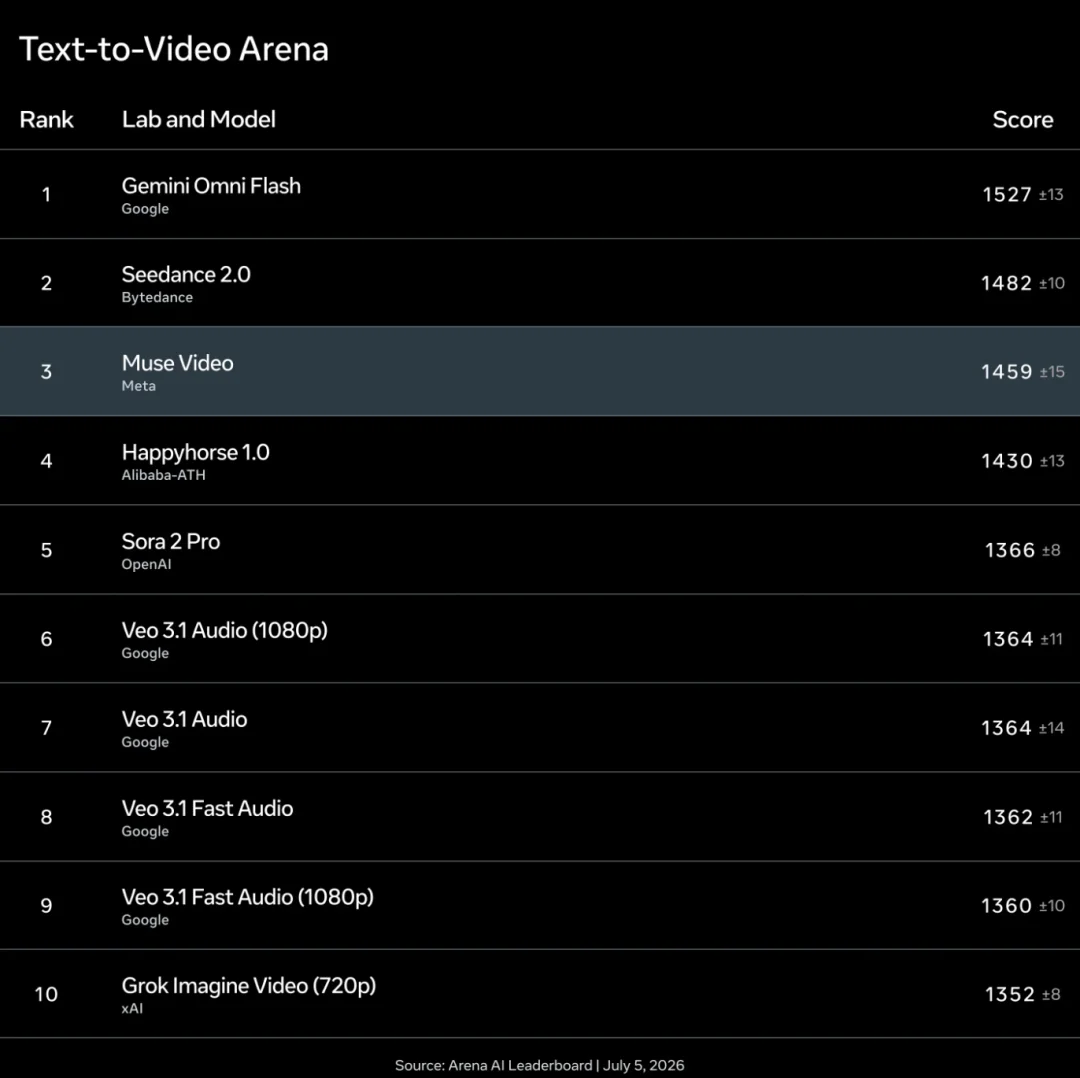
Muse Video demonstrates strong prompt adherence and temporal coherence — though audio synchronization and physics-aware motion remain active development areas. Currently ranked #3 in video generation benchmarks.
🔗 Native Meta Ecosystem Synergy
- Collaborative image creation with friends via Meta AI chat
- Direct Instagram post remixing (e.g., transform feed photos with @mentions)
- SMB marketing asset generation (ad creatives, product mockups, localized banners)
Official Source: Meta AI Blog: Introducing Muse Image & Muse Video
Article adapted from “AI Cambrian” newsletter.