Kode Dot: Open-Source Pocket AI Device Raises $3.2M on Kickstarter
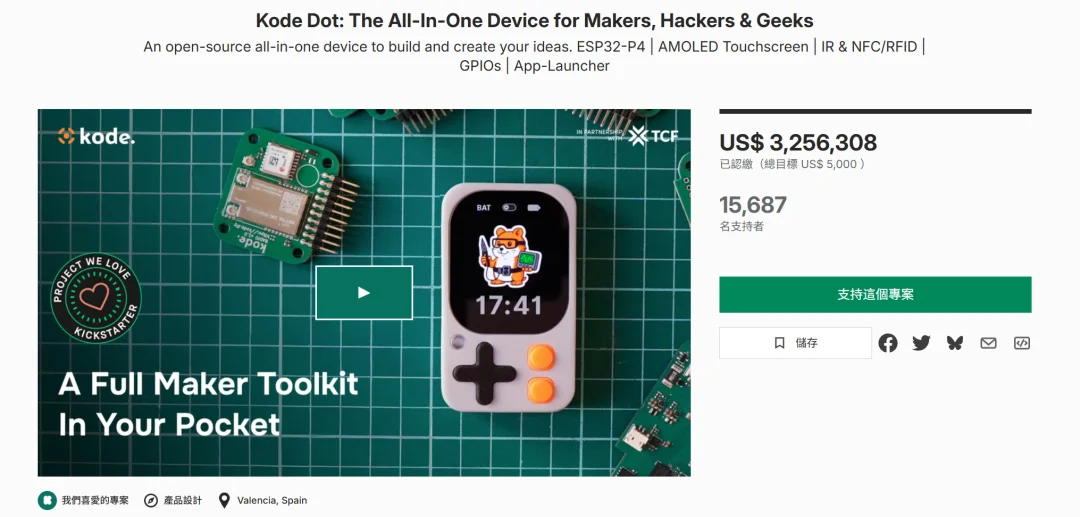
What began as a seemingly improbable crowdfunding campaign — with an initial target of just $5,000 — has exploded into a global phenomenon: Kode Dot, a credit-card-sized open-source AI hardware platform, raised $3.2 million on Kickstarter from 15,687 backers, shattering expectations in the embedded systems and maker communities.
🧩 A Pocket-Sized “Swiss Army Knife” for AI Tinkerers
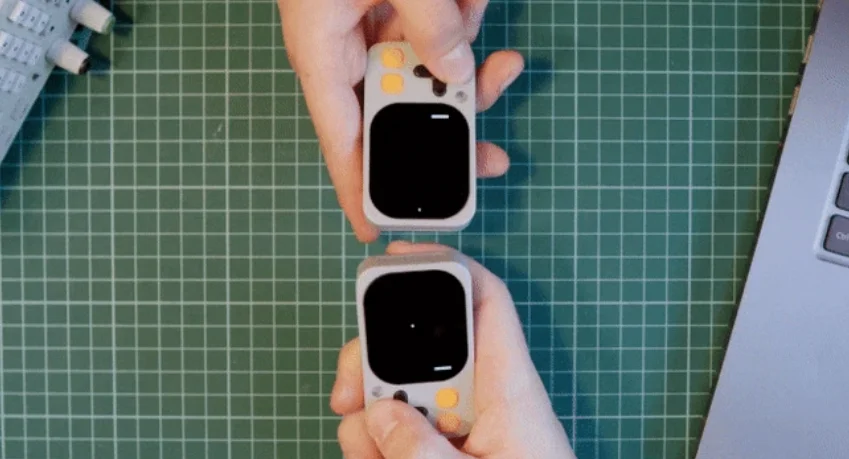
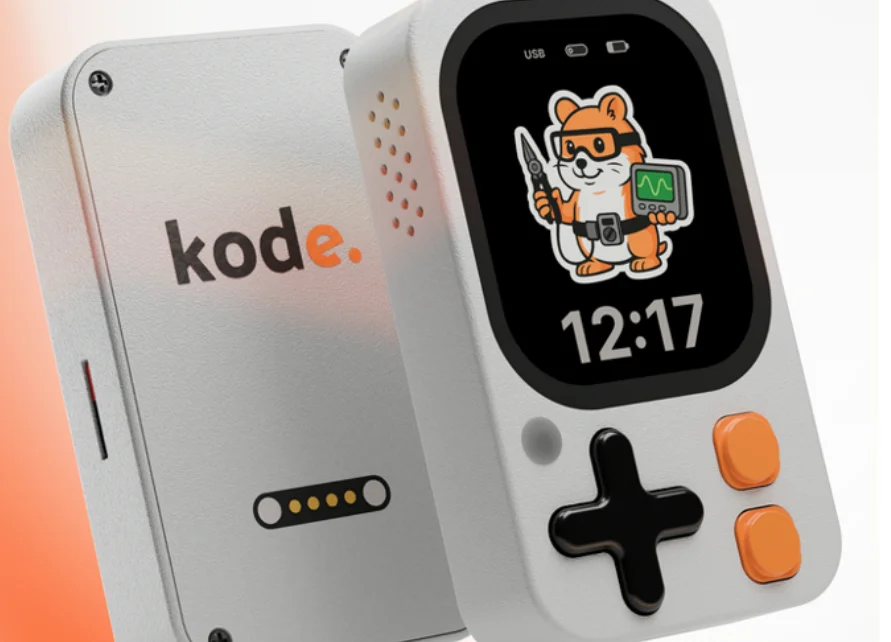
Launched on November 4, 2025, Kode Dot presented itself as more than another ESP32 development board. Measuring just 73 × 43 × 15 mm, it integrates:
- ✅ ESP32-S3 dual-core MCU (high-performance variant)
- ✅ 2.13-inch color AMOLED touchscreen (502×410 px, high contrast & deep blacks)
- ✅ 9-axis IMU (accelerometer + gyroscope + magnetometer)
- ✅ NFC/RFID module, MEMS microphone, speaker, and addressable RGB LED
- ✅ Magnetic docking station for plug-and-play expansion
- ✅ 8 MB Octal PSRAM + 32 MB Octal SPI Flash — unprecedented memory headroom for edge AI models and logging
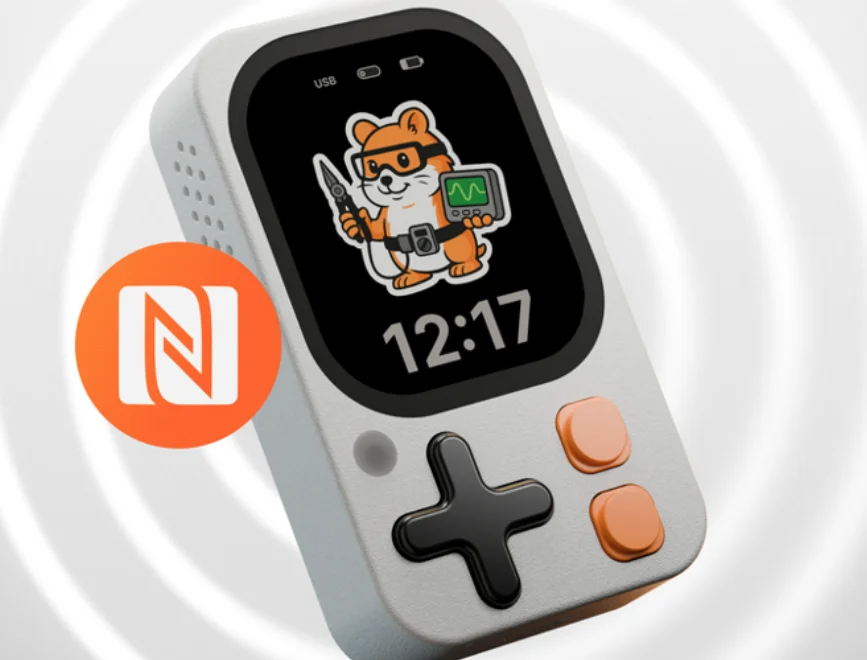
Unlike traditional dev boards (Arduino, Raspberry Pi Pico), Kode Dot bridges the gap between fully assembled product and deeply programmable hardware. It’s neither a toy nor a barebones kit — it’s a portable, production-ready pocket computer built for engineers, educators, and AI hobbyists alike.
🔑 Why It Captured the Imagination of 15,000+ Engineers
🌐 Community-Driven Development — Not Just Marketing
Kode Dot didn’t sell features — it invited co-creation. Its success stems from three radical, engineer-to-engineer principles:
1. Real-Time Feature Prioritization
When early backers demanded NFC/RFID as a launch-day must-have, the team slashed its unlock threshold from a distant “stretch goal” to $300,000 — guaranteeing inclusion in v1. This signaled: Your voice shapes the hardware.
2. Radical Transparency
Founders engaged daily on Reddit — admitting supply-chain risks, technical limitations (“This isn’t possible yet — but here’s how you can hack it via GPIO”), and roadmap trade-offs. In maker culture, honesty > polish.
3. The “Hacker Module” & Transparent Edition
A deliberately undocumented subsystem sparked massive community-led reverse engineering. Paired with a Kickstarter-exclusive transparent PCB edition, it became a status symbol — driving organic unboxing videos, GitHub repos, and viral threads across Twitter, YouTube, and Hacker News.
⚙️ Technical Foundation: kodeOS & Expandability
🖥️ kodeOS — An App-Centric Embedded OS
Built atop ESP-IDF, kodeOS transforms embedded development:
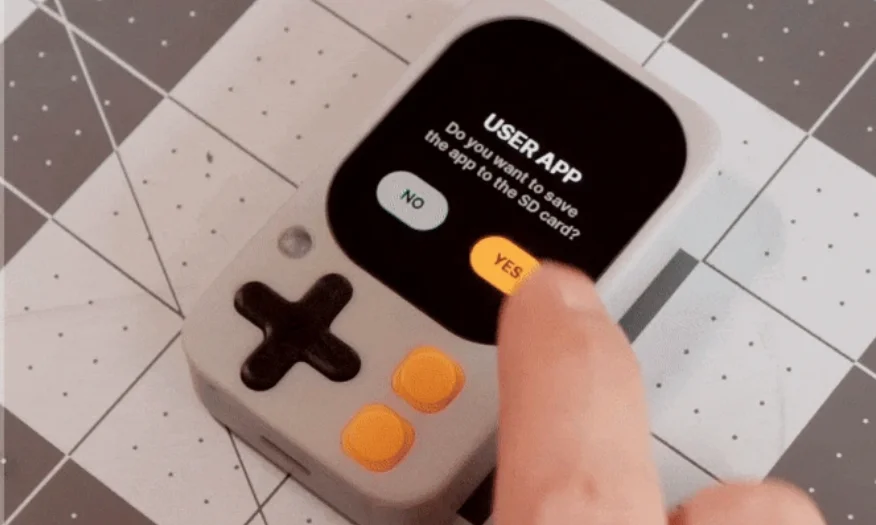
- Each app runs independently with its own icon and GUI.
- No re-flashing required — install/uninstall like smartphone apps.
- Open-source ecosystem already hosts: 3D printer controllers, Bitcoin price trackers, smart home hubs, and robotic arm interfaces.
🔌 Dual-Track Expansion Design
| For Beginners | For Experts |
|---|---|
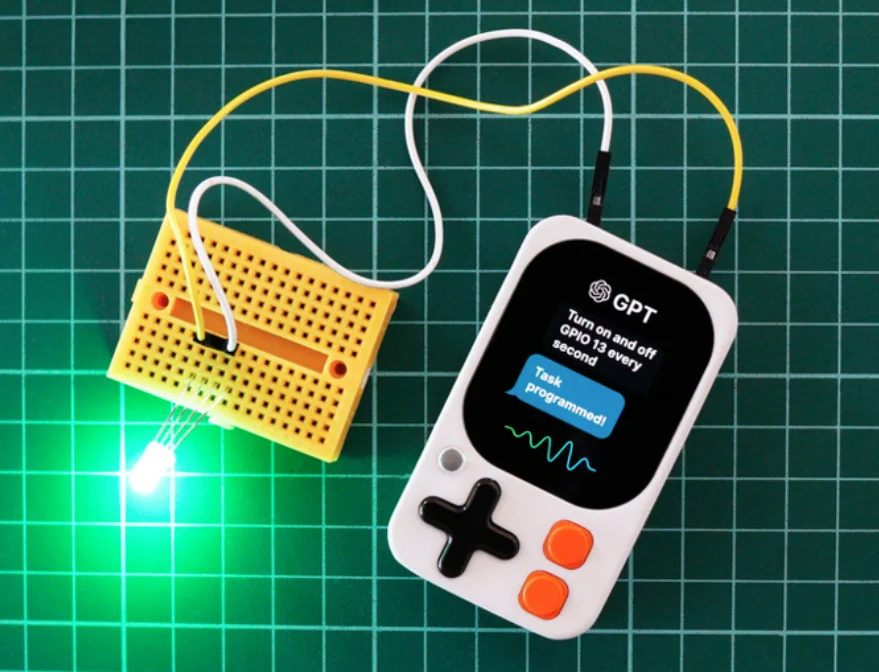
| Magnetic snap-on modules (no soldering) | 20 fully exposed GPIOs (I²C, SPI, UART) |
| Pre-built firmware bundles | Full low-level register access |
| Intuitive UI-driven setup | Bare-metal C/C++ or MicroPython support |
📈 Beyond the Numbers: Four Lessons for Hardware Startups
| Lesson | Why It Matters |
|---|---|
| Treat your community as your product team | Features defined with users create evangelists — not customers. |
| Engineers pay premiums for excellence | Avg. pledge: $190.71 — proof that integration, reliability, and polish command 10× markup over generic boards. |
| Open source is your moat — not your giveaway | kodeOS’ open spec fueled 3rd-party apps, turning hardware into a thriving app store. |
| “Co-creation” is the new product lifecycle | The future of hardware isn’t shipped — it’s iterated in public, with users as core contributors. |
🚀 What’s Next?
Kode Dot units are scheduled to ship in July 2026. With its blend of open architecture, obsessive community alignment, and battle-tested hardware design, it stands as a landmark case study in modern hardware entrepreneurship.
💡 Final Thought: In an era of attention scarcity and rising hardware complexity, the most powerful product spec isn’t written in a boardroom — it’s drafted in a GitHub issue, debated on Reddit, and validated by thousands of hands building, breaking, and remaking the same device — together.
Article sourced from AIoT Future Intelligence.