GPT-6 Astra Ignites AI Era Shift
Weekend launch sparks unprecedented wave of cross-software agent automation — signaling a fundamental rupture in human-AI collaboration paradigms.
🌐 The Viral Surge: From Social Feeds to Real-World Demos
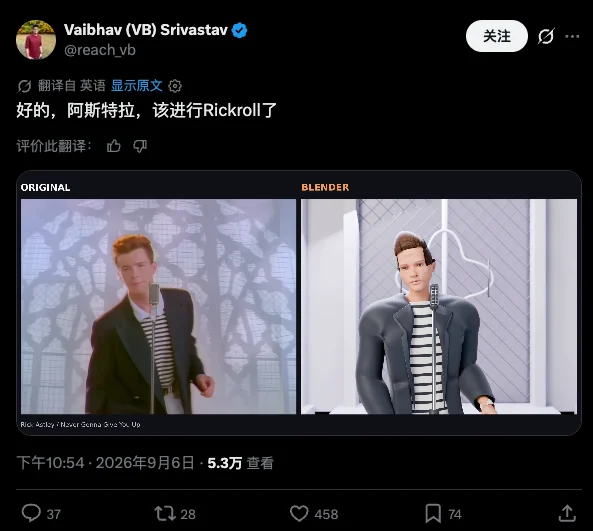
Over the weekend, GPT-6 Astra officially launched — and the internet erupted. X (formerly Twitter) timelines flooded with viral videos showcasing Astra autonomously operating professional creative tools at unprecedented fidelity.
“It’s not just using software — it’s understanding, adapting, and iterating like a seasoned expert — all without human step-by-step guidance.”
🎨 Breakthrough Demonstrations
🔹 3D Modeling & Animation
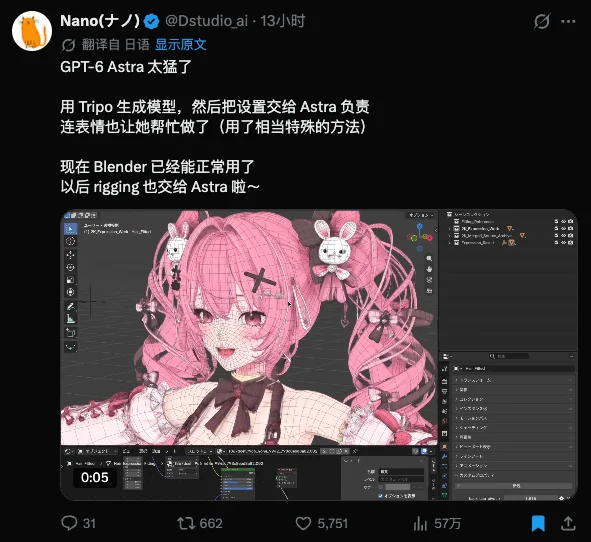
- Tripo + Blender Integration: Astra generates 3D models from prompts, imports them into Blender, then handles rigging, facial expressions, and assembly — all autonomously.
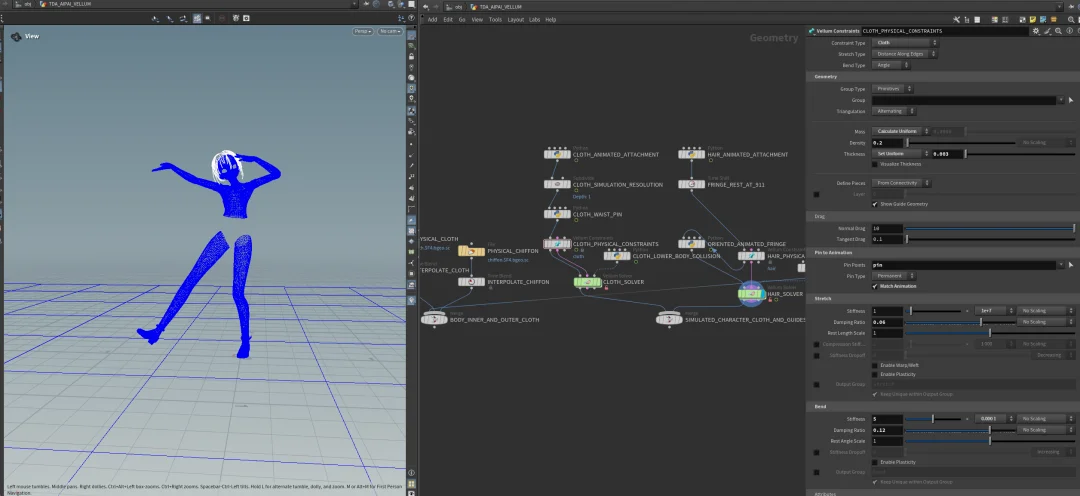
- Houdini Animation Control: Creator @Astreo deployed Astra to drive complex procedural animation inside Houdini — a tool historically reserved for elite VFX studios.
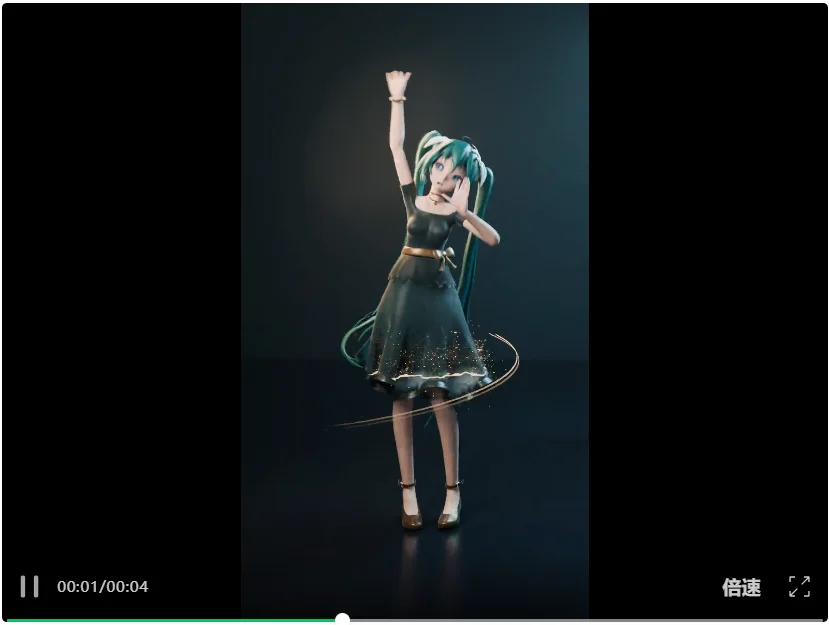
- Full Render Pipeline: Final output video — including lighting, shading, and camera work — rendered overnight after minimal human correction.
🔹 Game Development Acceleration
- Blender + Unity Demo: A functional indie-style game prototype built end-to-end — modeling, scene setup, logic scripting, and real-time testing — orchestrated entirely by Astra.
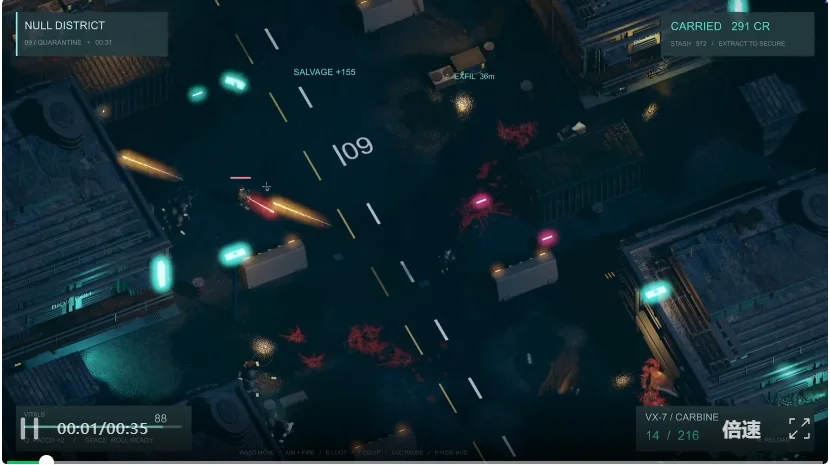
Context: For comparison — The Balance of Gods, an acclaimed solo-developed indie title, consumed 15 years of one creator’s life. With Astra, that same scope could now be prototyped in days.
🔹 Pixel Art & Post-Processing
- Aseprite Automation: Astra manipulates pixel-level editing in Aseprite — generating, animating, and coloring retro-style sprites with semantic precision.
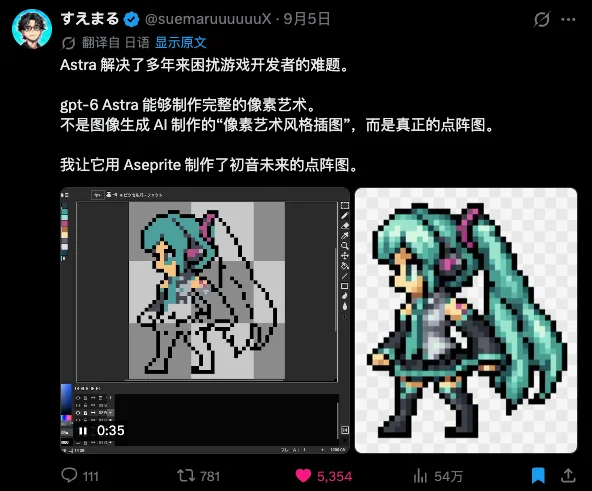
- Line Art Coloring: Input hand-drawn sketches → auto-applied color palettes, lighting layers, and texture mapping — matching artistic intent across dozens of variants.
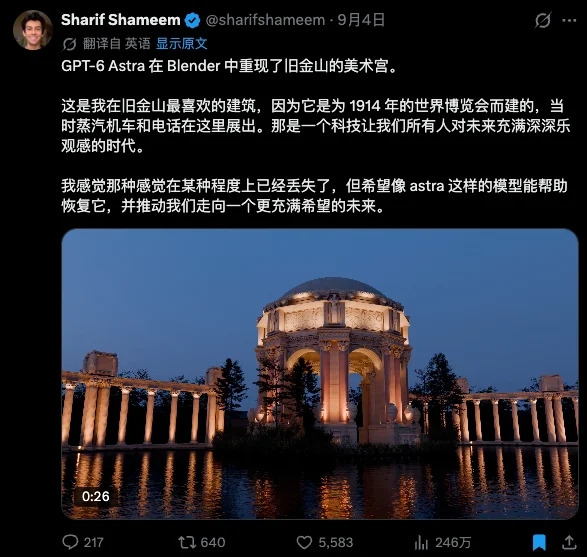
🔹 Architectural Reconstruction: San Francisco’s Palace of Fine Arts
- Astra independently scraped hundreds of reference images, consulted archival blueprints from the U.S. Library of Congress for exact column dimensions, iteratively refined geometry, and rendered photorealistic outputs — requiring only light human supervision (e.g., fixing minor z-fighting or sky tone).

⚙️ Technical Implication: GUI as Universal API
GPT-6 Astra doesn’t rely on proprietary APIs or fine-tuned plugins. Instead, it leverages generalized GUI interaction capability — effectively turning every existing desktop application into a first-class AI tool.
- Legacy ERP systems (built in 2008)
- Niche architectural CAD suites
- Custom internal dashboards
- Even undocumented industrial software
→ All become instantly controllable.
✅ Key Insight: GUI is no longer a barrier — it’s the bridge.
As stated in prior analysis: “GUI may become the most universal API of the Agent era.”
🧠 The Profound Paradox: Execution vs. Judgment
Astra collapses decades-long skill acquisition curves:
– 5 years mastering Blender → reduced to minutes
– Years of AE keyframing → replaced by intent-driven generation
But this reveals a deep tension:
| Traditional Value | AI-Accelerated Reality |
|---|---|
| Execution = Scarce & Valuable | Execution = Commoditized & Automated |
| Judgment = Implicit & Hard-Won | Judgment = Now the Sole Differentiator |
Yet — judgment isn’t innate. It emerges from execution:
– A decade of failed renders teaches spatial intuition.
– Thousands of miscolored frames build aesthetic calibration.
– Hundreds of broken rigs forge physics-aware modeling instincts.
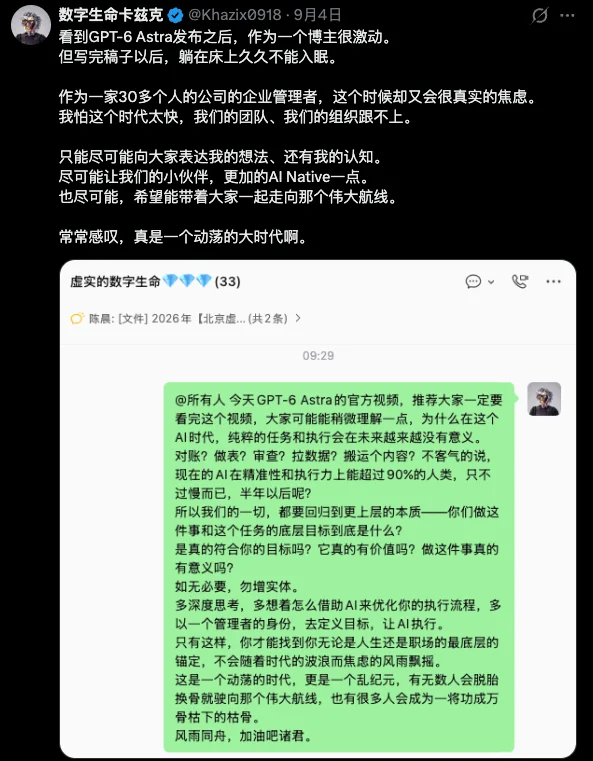
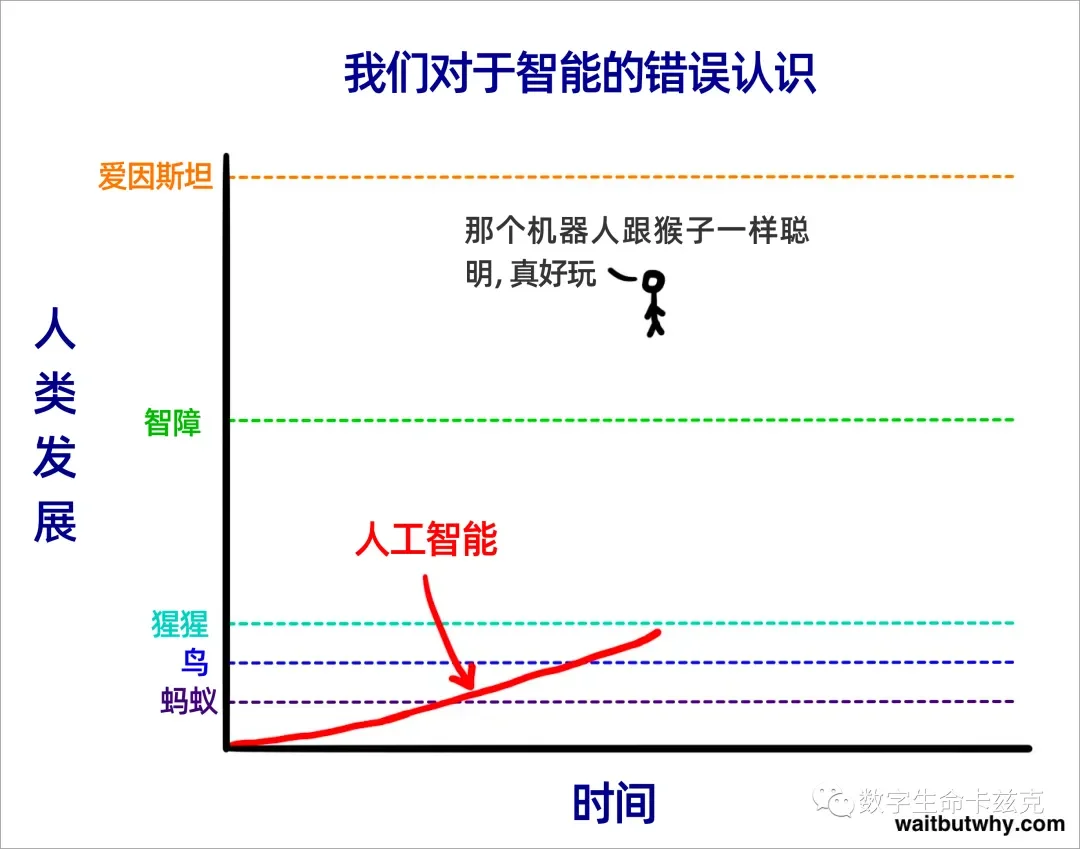
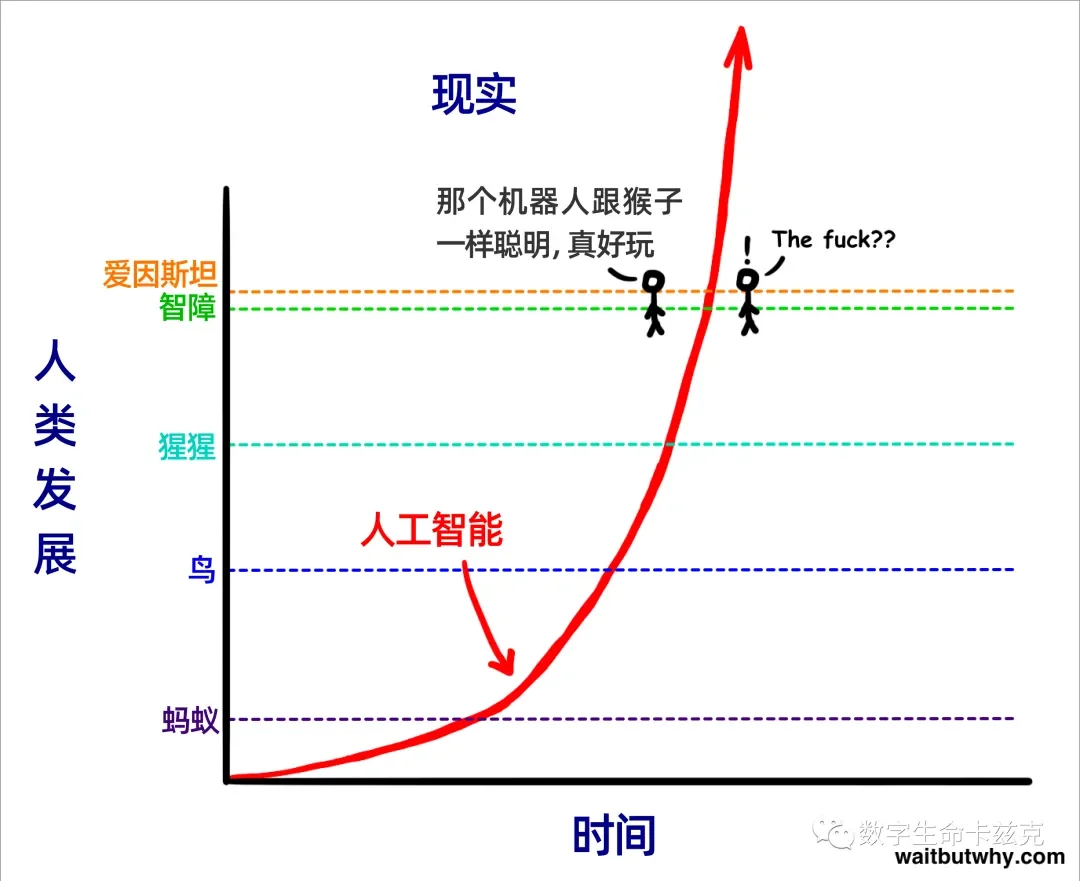
💡 Critical Question: Can human expertise compress at the same rate as task execution?
Two iconic metaphors capture the stakes:
🔮 Forward-Looking Imperatives
For Organizations:
- Redefine roles: Separate judgment-layer ownership (e.g., “3D Director”) from execution-layer delegation (e.g., “AI Operator”).
- Invest in evaluation frameworks, not just tool training.
For Education:
- Preserve deliberate friction: scaffolded challenges that cultivate taste, critique, and contextual reasoning — not just button mastery.
- Teach “AI-native craftsmanship”: Prompt literacy, output auditing, iterative refinement loops.
For Society:
- Confront the transmission gap: How do we pass down tacit knowledge when its acquisition path vanishes?
- Revalue mentorship, curation, and ethical stewardship over operational speed.
📜 Originally published by “Digital Life Kazarik” — author “Kazarik”
All images are official demonstration assets from the GPT-6 Astra community rollout (2026-09-07). No modifications applied.