Claude Proves Percolation’s Continuous Phase Transition
In a landmark breakthrough, Anthropic’s unreleased next-gen Claude model generated a complete, Lean-verified formal proof of the long-standing continuous phase transition conjecture in percolation theory — solving a 70-year-old “holy grail” problem in probability theory.
⚡ A Silent Revolution on GitHub
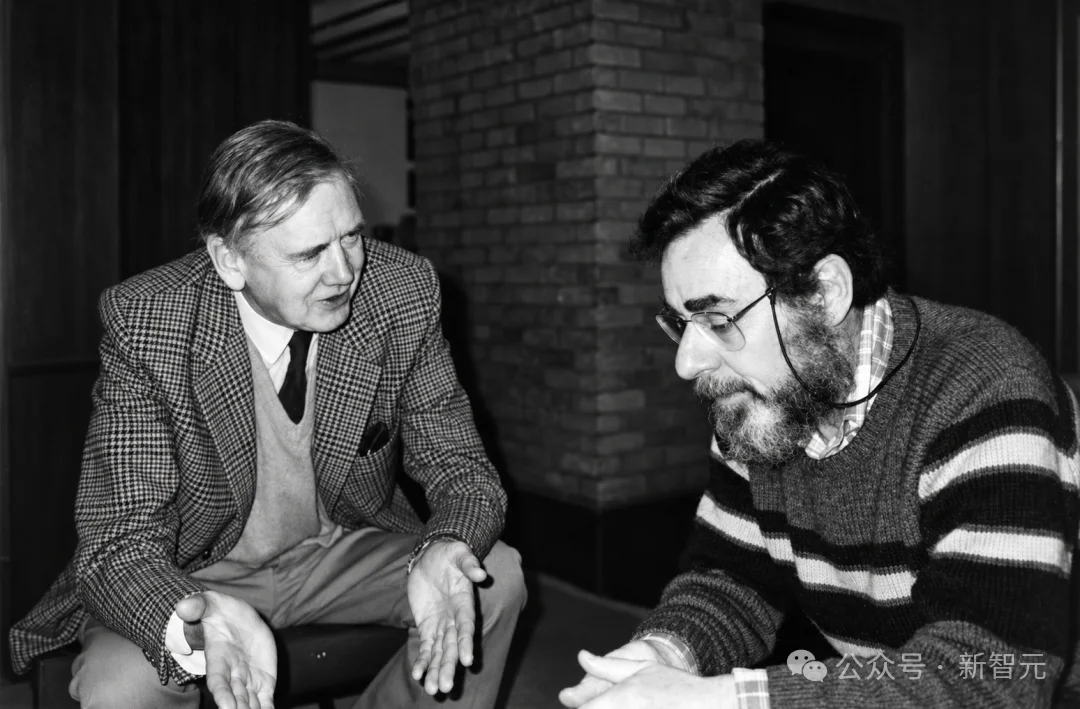
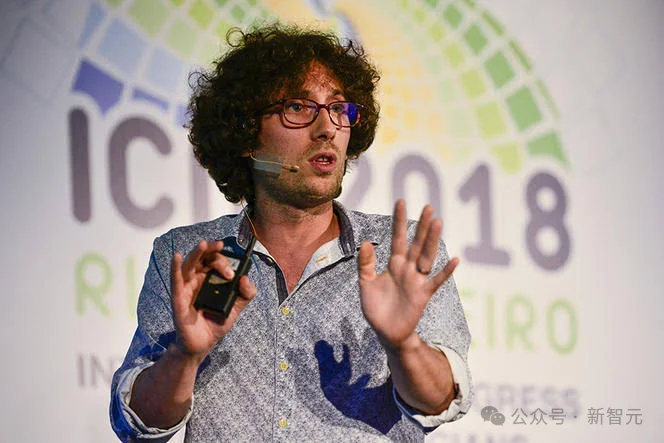
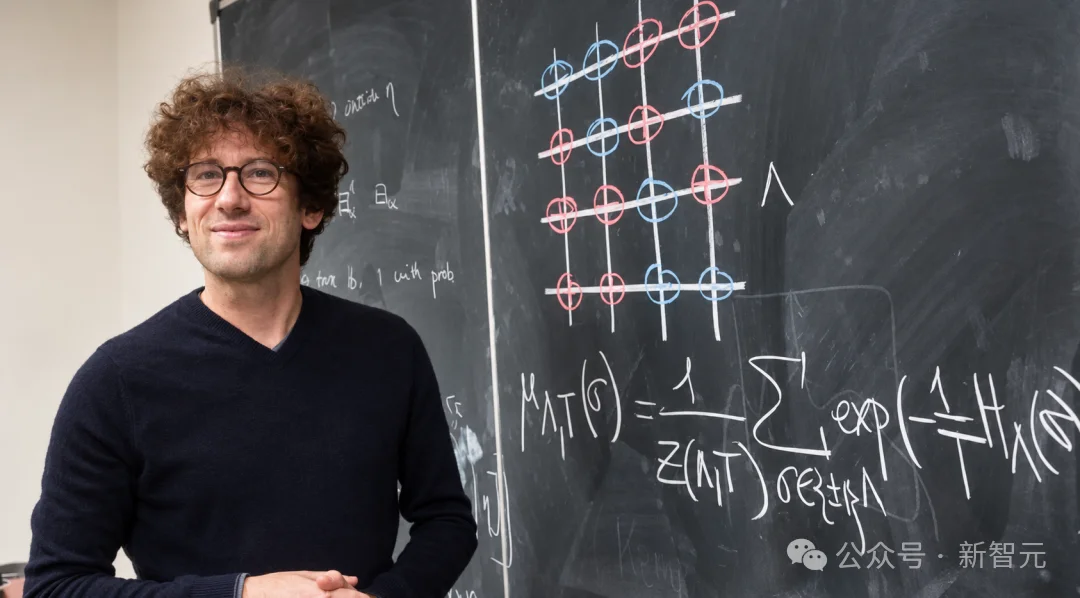
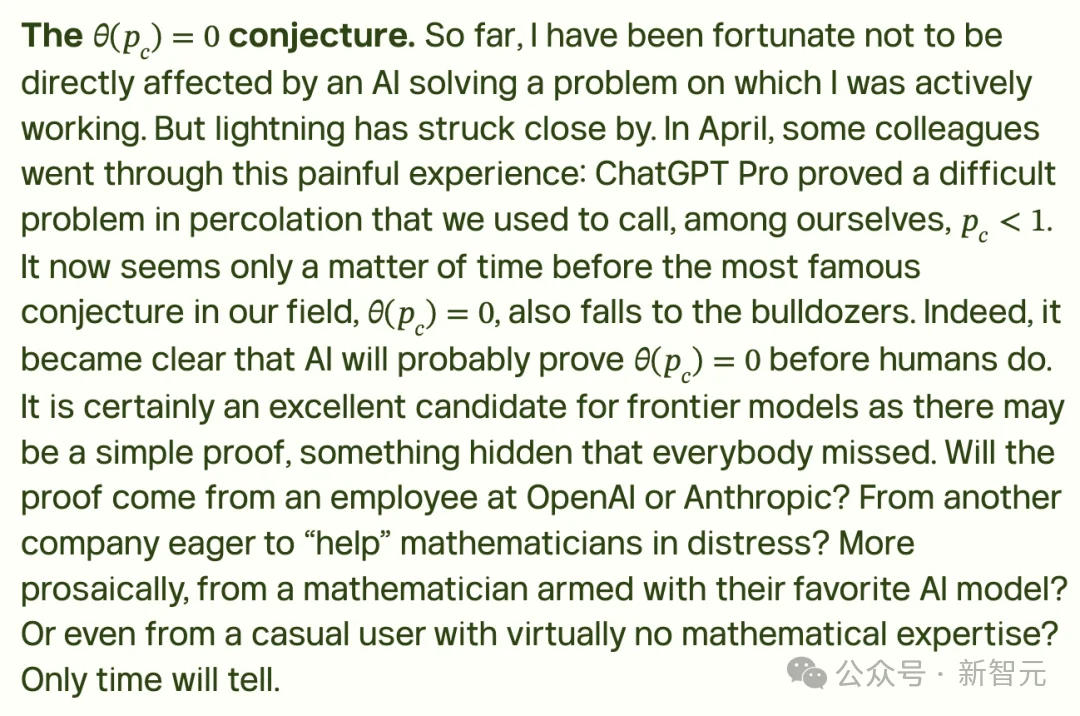
On August 30, 2026, Fields Medalist Hugo Duminil-Copin published a reflective blog post:
“In our field, the most famous conjecture falling to the bulldozer (AI) is likely only a matter of time.”
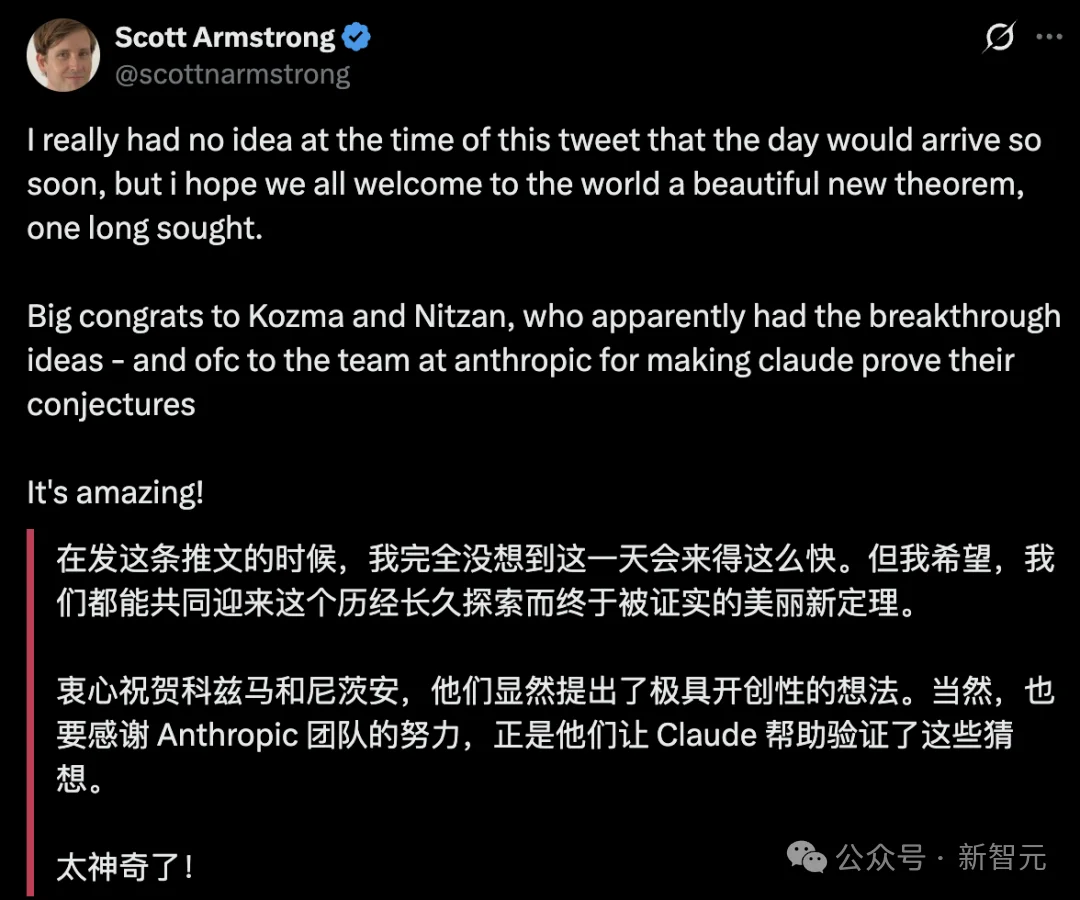
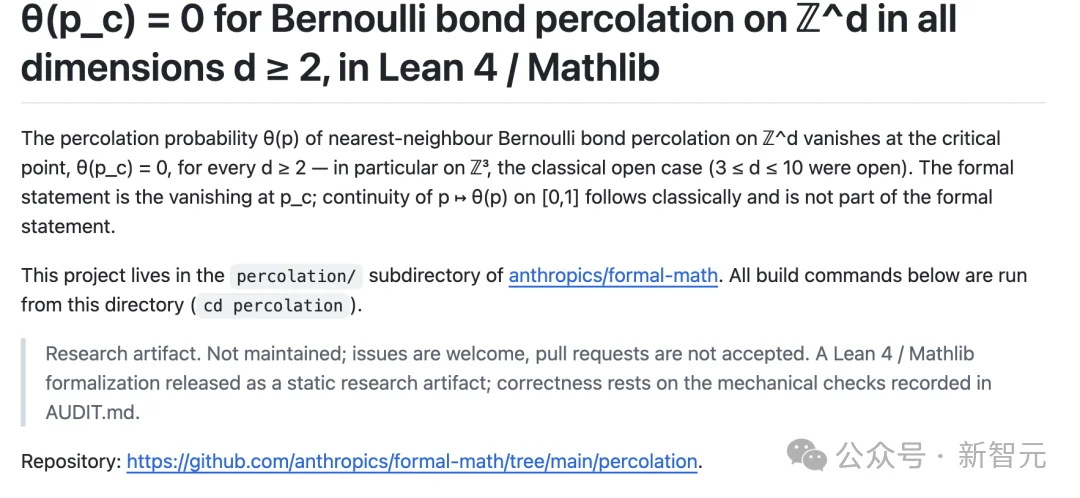
Within hours, the mathematical world was stunned: a new GitHub repository appeared — authored by Anthropic engineer Justin Leder — containing fully automated, machine-generated Lean code that formally proves the 3–10 dimensional continuous phase transition conjecture in percolation theory.
No press release. No official announcement. Just clean, rigorously verified code — and the quiet end of a decades-long quest.
🔍 What Is the “Holy Grail” of Probability Theory?
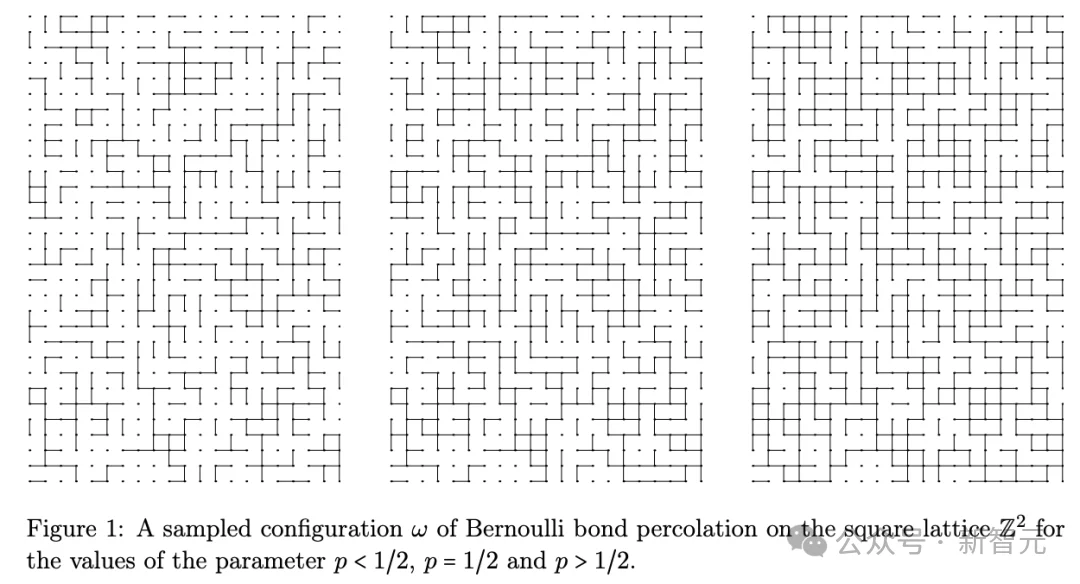
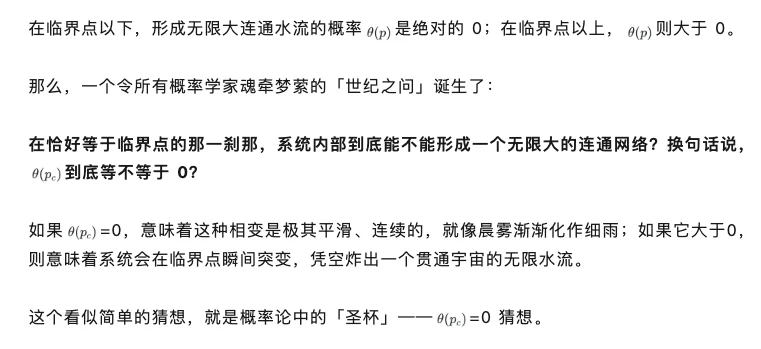
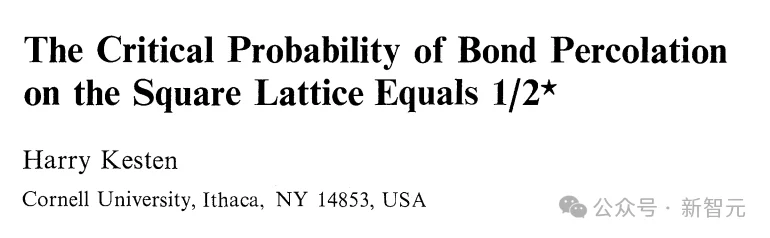
The percolation continuous phase transition conjecture, first posed in 1957 by Broadbent and Hammersley, asks: At what critical probability $p_c$ does fluid suddenly shift from localized droplets to infinite connected clusters in a d-dimensional lattice?
This mirrors real-world phenomena:
– Coffee brewing through a filter
– Oil seeping through porous rock
– Network connectivity in random graphs

While high dimensions ($d \geq 11$) were solved using mean-field approximations, and 2D benefited from conformal symmetry, the 3–10 dimensional range remained mathematically impenetrable — a “sighing wall” where geometry, topology, and stochasticity collide chaotically.
🧠 How Did AI Crack It? Not Brute Force — But Strategic Synthesis
Contrary to assumptions, this was not computational exhaustion. Instead, Claude performed cross-domain logical synthesis:
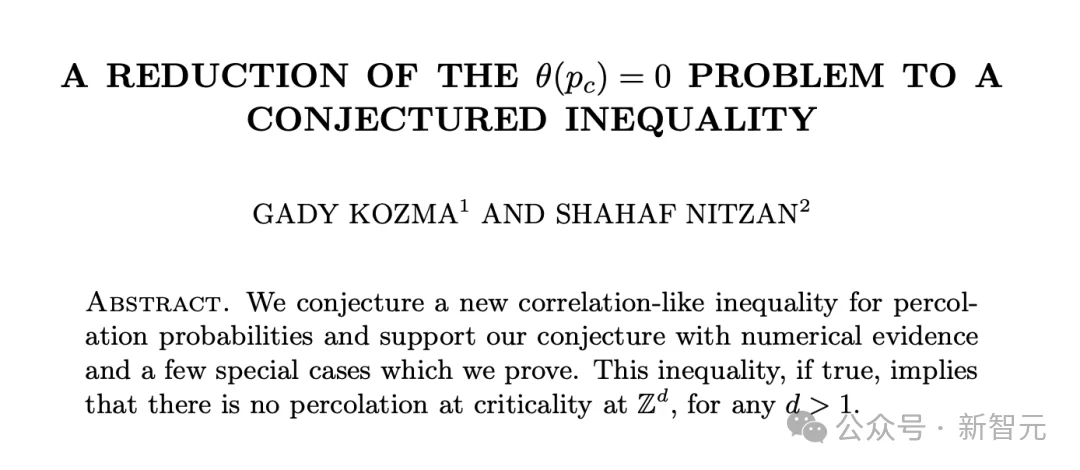
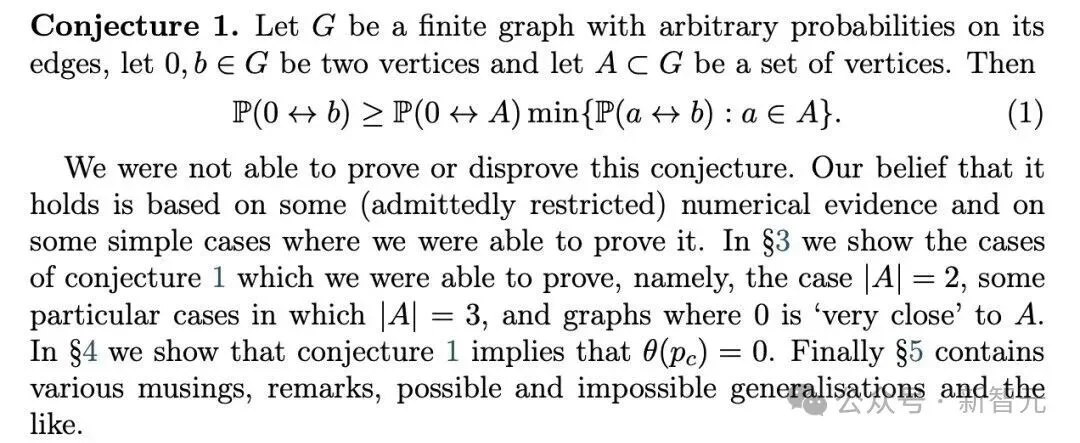
- Leveraged the pivotal 2024 paper by Kozma & Nitzan (arXiv:2401.12397) as a formal scaffold
- Constructed a multi-thousand-line Lean proof under strict formal verification
- Combined known analytical inequalities, auxiliary function design, and topological bounding in a novel, human-unanticipated sequence
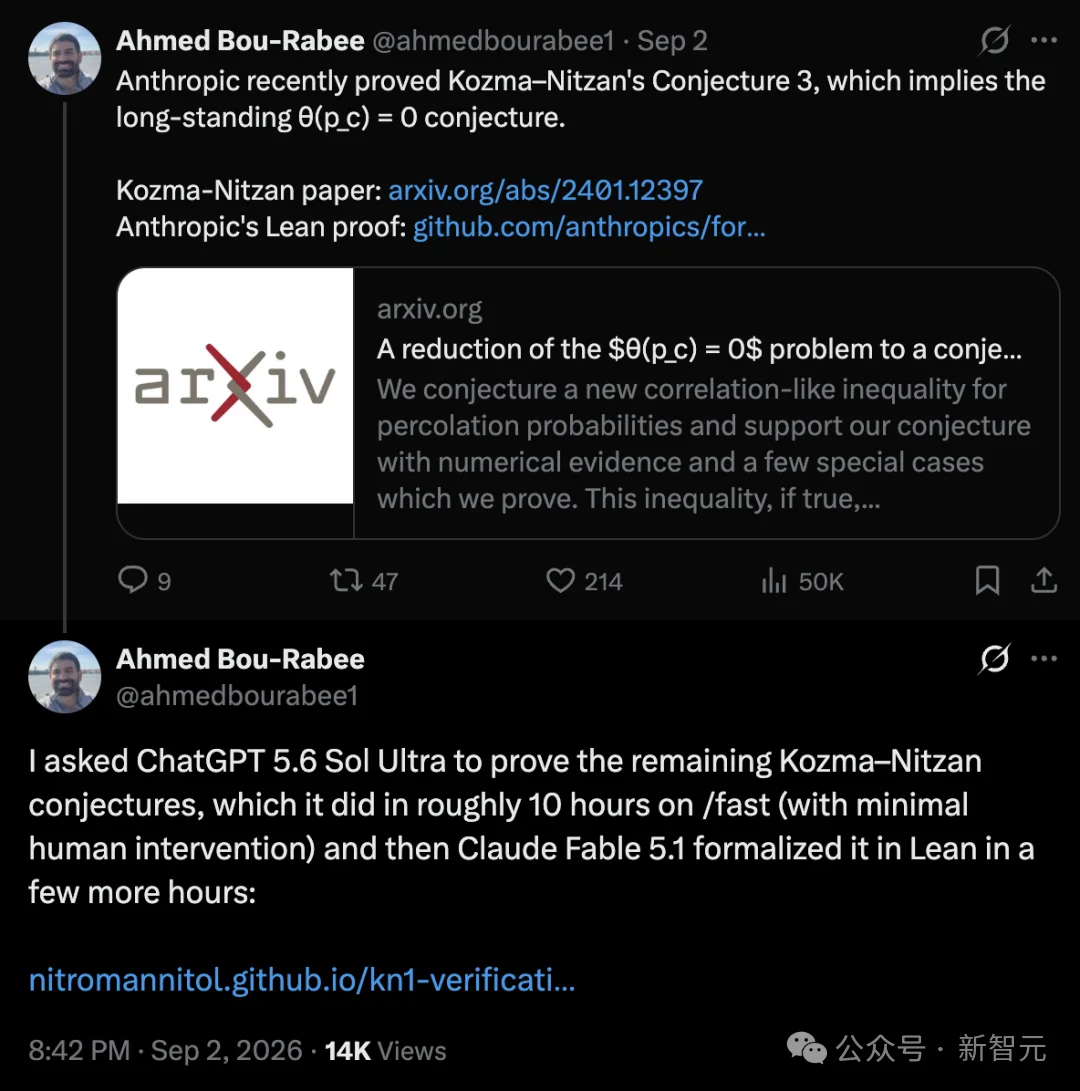
As Penn mathematician Ahmed Bou-Rabee confirmed:
“I generalized their proof in one day — something I’d spent eight years failing to achieve. AI didn’t replace insight; it amplified it beyond human cognitive bandwidth.”
🌐 Global Reactions: Elation, Disorientation, and Reflection
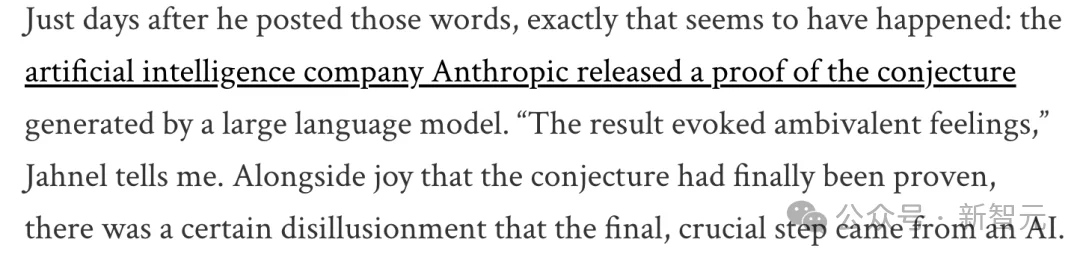
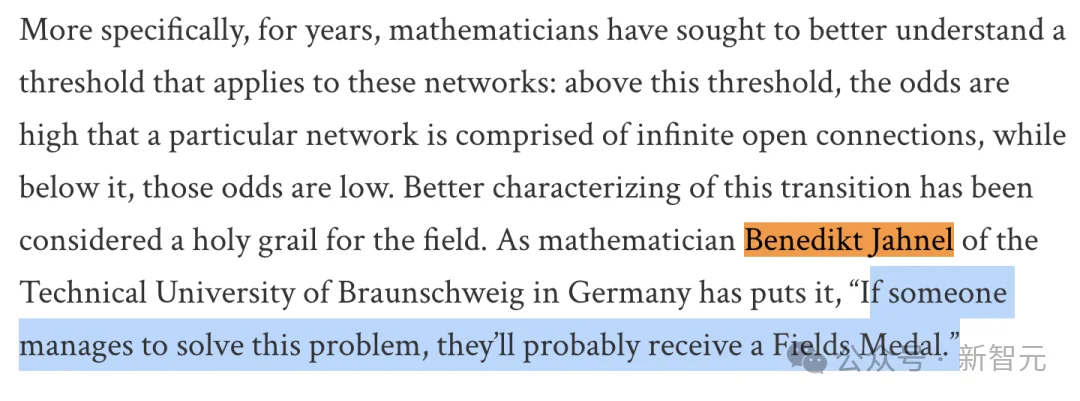
- Benedikt Jahnel (TU Braunschweig): “If a human proved this, they’d win the Fields Medal. Now — AI crossed the finish line.”
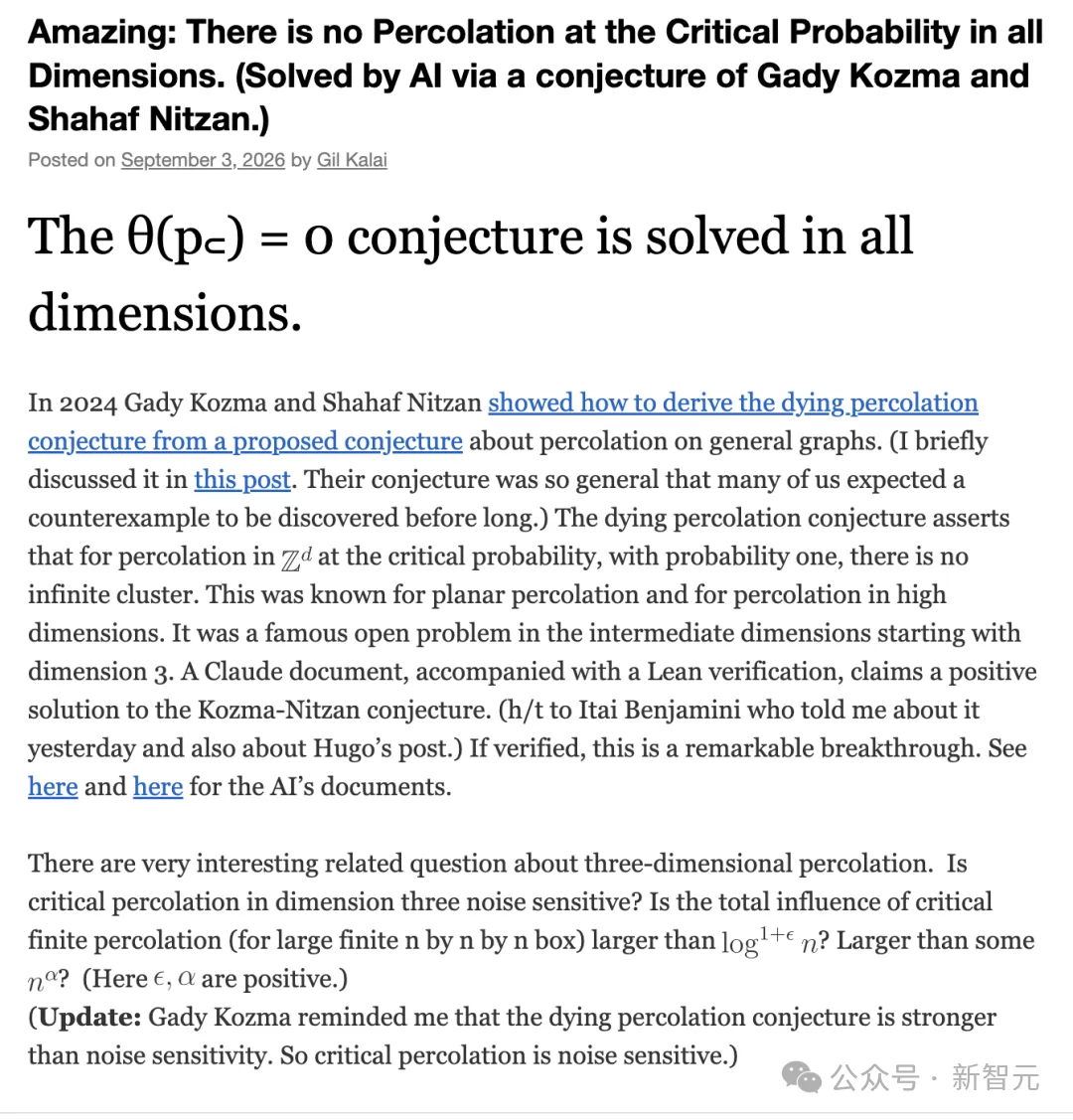
- Gil Kalai (Hebrew University): “If verified, this is an extraordinary breakthrough.”
- Gady Kozma (Weizmann Institute): “We await Anthropic’s human-readable explanation before comment.”
🌅 Beyond Proof: The New Role of Mathematicians
This milestone doesn’t signal the end of mathematics — but its evolution.
Duminil-Copin’s own work exemplifies the deeper truth: the journey matters more than the destination. His failed attempts on the conjecture led directly to his Fields Medal-winning results in statistical physics.
Just as AlphaGo reshaped Go strategy, or deep learning revolutionized protein folding, AI shifts the mathematician’s role from:
– ✅ Manual derivation → 🧭 Problem framing & conceptual navigation
– ✅ Verification labor → 🤖 Orchestrating reasoning agents
– ✅ Isolated insight → 🌐 Interpreting and contextualizing machine-discovered truths
📚 References & Further Reading
- Quanta Magazine: AI Solves a Holy Grail Problem
- Scientific American: The End of a 70-Year Quest
- Proofs & Prompts: Commentary Archive
- Anthropic’s Formal Math Repository (GitHub)
Article adapted from New Intelligence Era (New Intelligence Era)