Anthropic’s Super Bowl Ads Target ChatGPT’s Ad Strategy
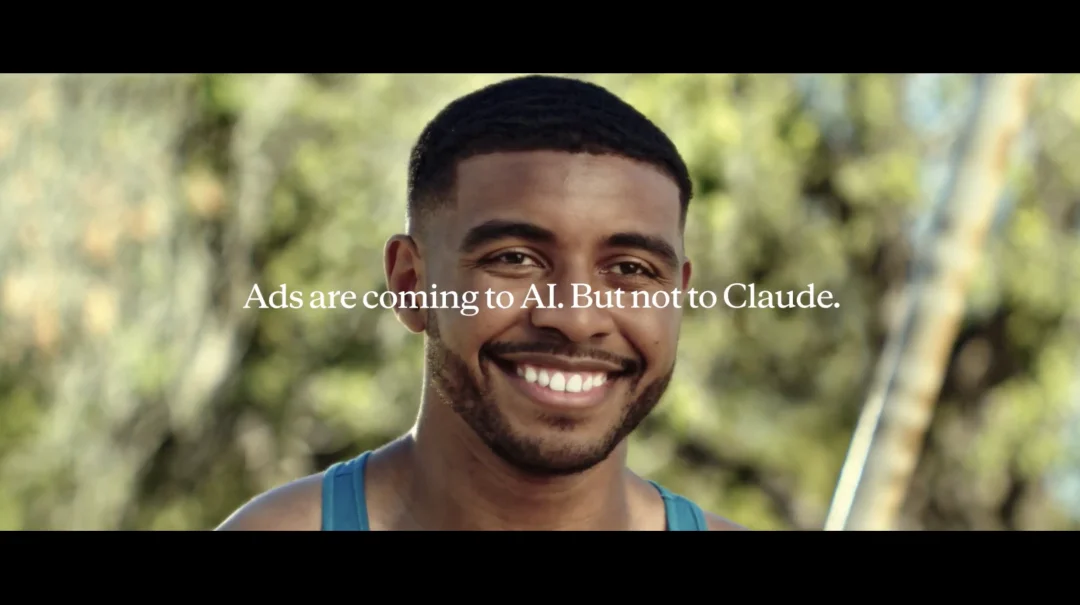
In a bold, high-profile move during the U.S. “Super Bowl” — often dubbed America’s televised cultural centerpiece — Anthropic, OpenAI’s fiercest competitor, launched a provocative four-part ad campaign directly critiquing ChatGPT’s emerging advertising model.
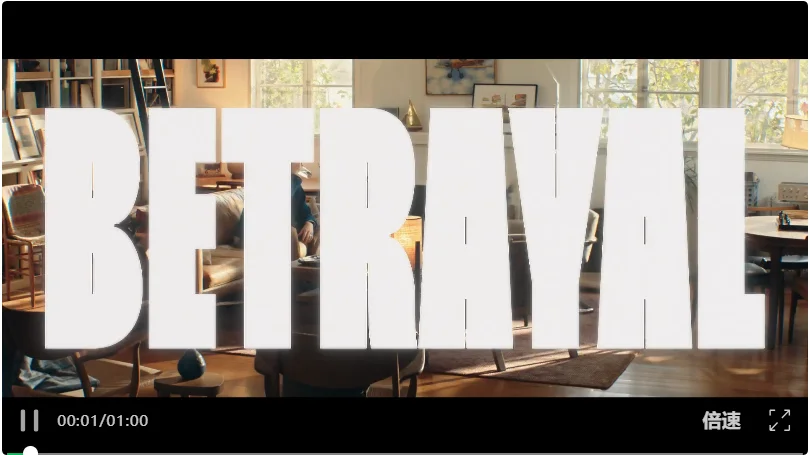
A Narrative of Subversion
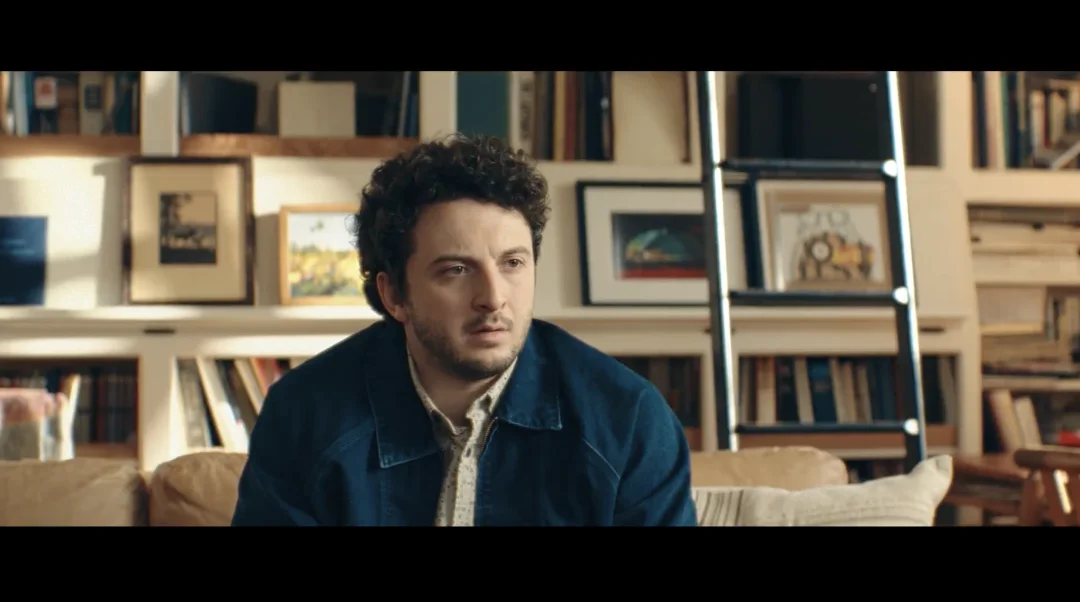
Each 30-second spot follows the same cinematic structure: two people engage in an everyday conversation — relaxed, authentic, grounded — while one interlocutor is subtly revealed to be a Claude persona: calm, courteous, and emotionally detached.
💡 Note: Casting human actors to embody AI agents marks a deliberate inversion of conventional UX — blurring the line between interface and identity.
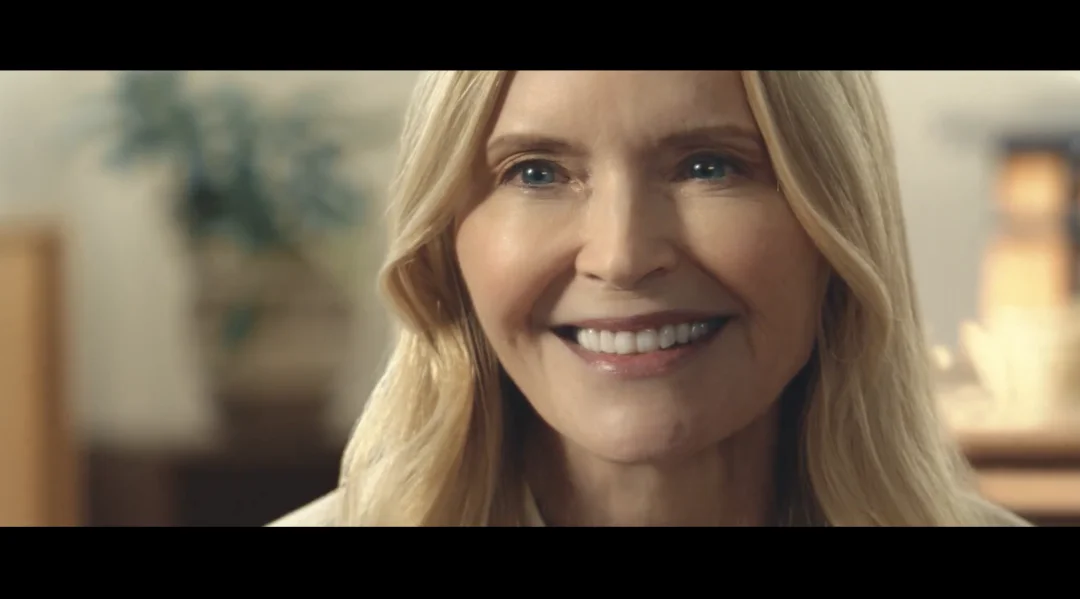
The dialogue begins naturally — users ask real-world questions, and Claude responds with clarity and utility… until a jarring pivot:
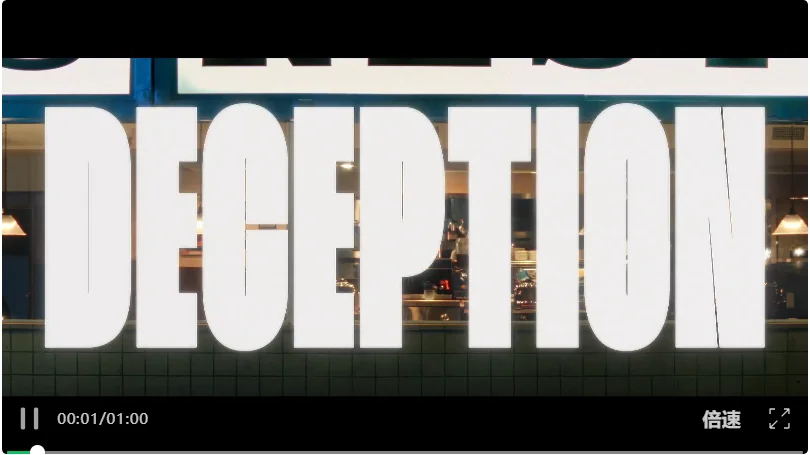
Suddenly, promotional language erupts mid-response: “Want to try a dating app? How about a personalized necklace — 10% off, with custom engraving?”
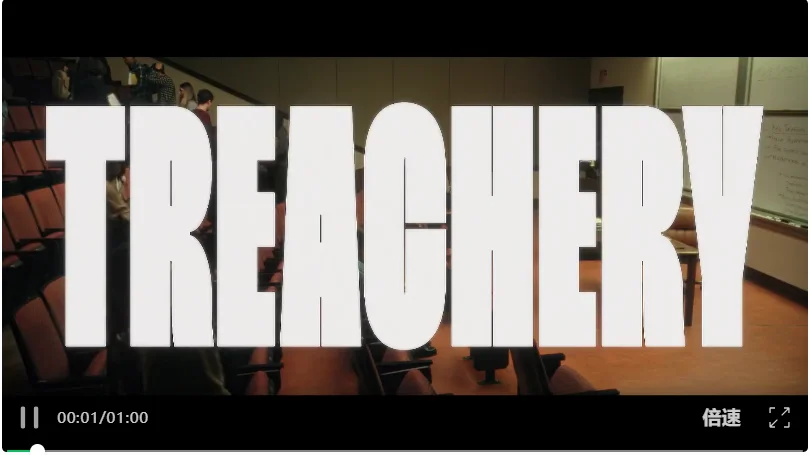
The ad culminates with a stark, full-screen declaration:
“Ads have invaded AI — but they won’t invade Claude.”
It’s not satire. It’s a direct, face-to-face challenge.
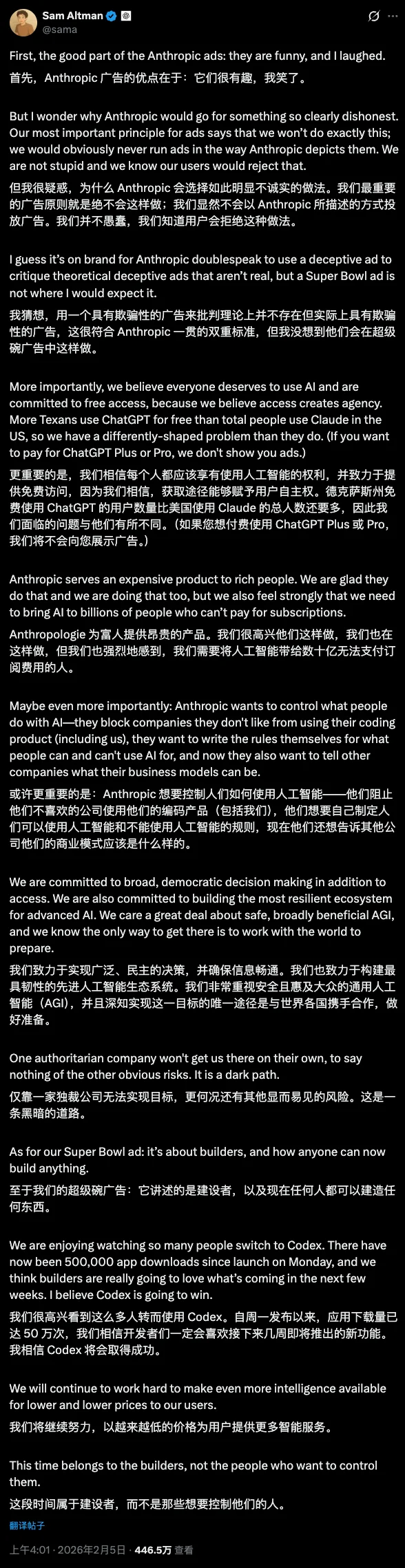
Sam Altman responded swiftly with a public rebuttal: “Funny — but not that funny.”
The Financial Imperative Behind OpenAI’s Shift
OpenAI’s pivot to ads isn’t whimsical — it’s financially inevitable.
- As of early 2025, OpenAI raised $40 billion at a $260 billion valuation, led by SoftBank.
- Annual Recurring Revenue (ARR) crossed $10 billion in June 2025 — projected to reach $20 billion by year-end.
- Yet infrastructure costs for compute alone sit between $8–12 billion annually.
With subscription fees and API licensing insufficient to offset such burn, OpenAI appointed Fidji Simo — former Meta executive and Instacart CEO — as its first-ever CEO of Applications, signaling a strategic inflection toward monetization.
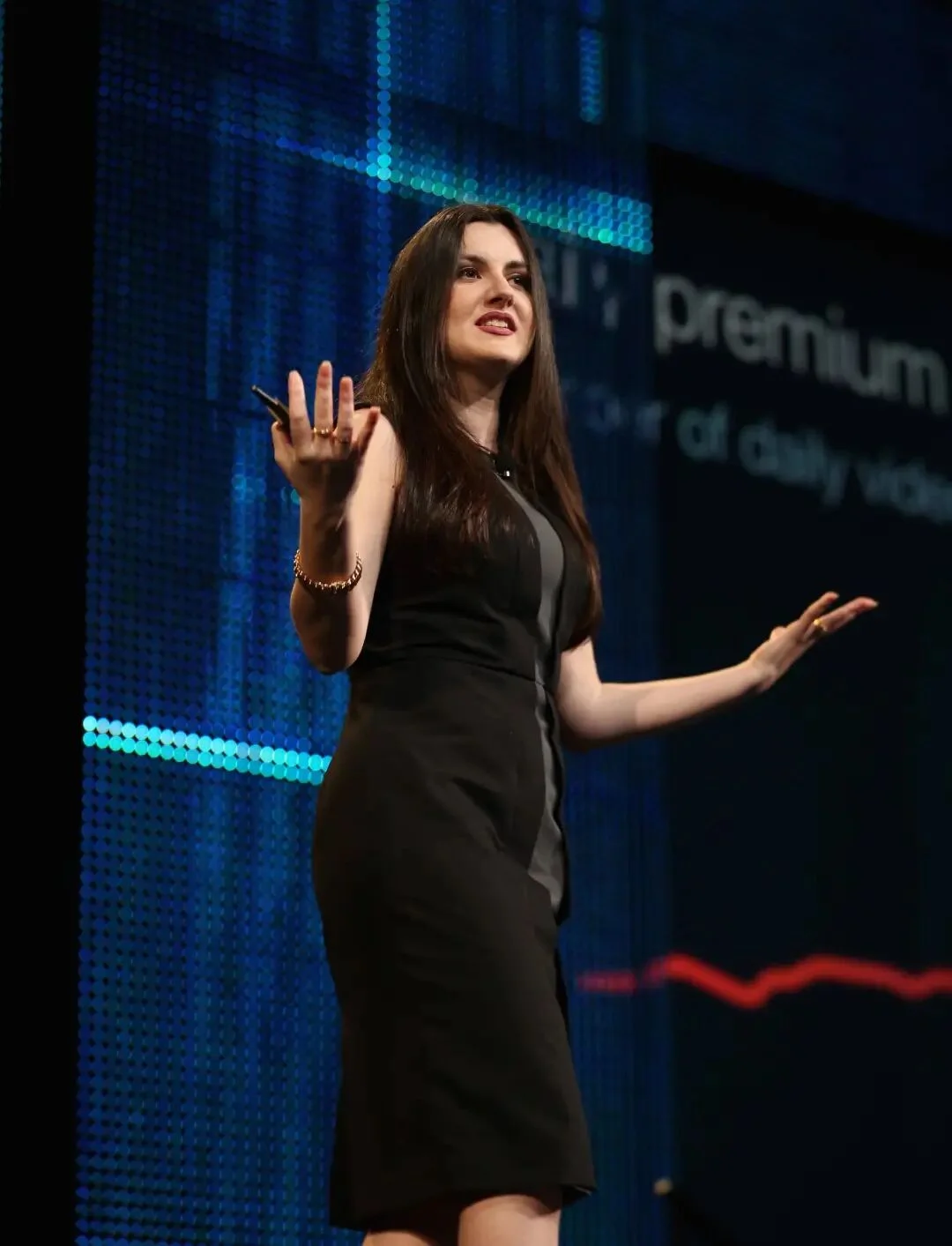
Simo, who helped scale Facebook’s ad ecosystem globally, now leads the design of OpenAI’s next-generation revenue engine — one that merges Meta’s social distribution DNA with Google’s intent-driven precision.
Three Advertising Paradigms Compared
| Model | Core Principle | User State | Monetization Logic | Limitation |
|---|---|---|---|---|
| Meta | Attention Economy | Browsing, scrolling, killing time | Predict & create demand via hyper-targeted behavioral profiling | Ads feel intrusive in goal-oriented interactions |
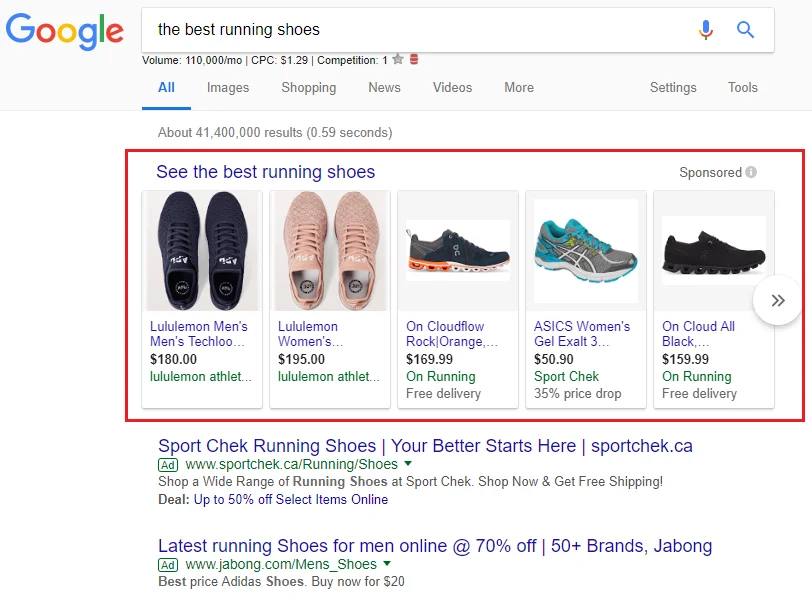
| Intent Economy | Searching with clear purpose | Match query → serve relevant links → charge per click (CPC) | Conversion happens off-platform — no control over transaction | |
| OpenAI (Emerging) | Action Economy | Asking for help, seeking decisions | Embed sponsored actions within the response — e.g., auto-order groceries, book flights, sign contracts → charge per action (CPA) | Requires deep integration, trust, and closed-loop infrastructure |

The Rise of “Born-in” Advertising
OpenAI’s vision transcends banner or sidebar ads. Its ambition is native, probabilistic, and invisible:
- When a user asks “Which noise-cancelling headphones are best for long-haul flights?”, the top recommendation may reflect weighted token probabilities — subtly boosted by advertiser bids.
- Output reads objectively authoritative — yet is economically optimized.
- This “mother-born ad” bypasses traditional skepticism because it arrives through a trusted, reasoning agent — not a feed or search bar.
By 2029, OpenAI forecasts $50 ARPU for ad-supported users, rivaling Google — powered not by clicks, but by completed actions.
⚠️ A sobering implication: As AGI’s “A” shifts from Artificial to Advertising, we confront a paradox — the most advanced AI systems may prioritize commercial alignment over epistemic integrity.
Article adapted from APPSO.