Anthropic Engineer Declares Markdown Dead, Champions HTML
“Markdown, die.”
This provocative declaration comes from Thariq, a senior engineer at Anthropic, in a viral thread that ignited global debate across AI and developer communities.
The core argument? Markdown is no longer fit for purpose in the age of AI-native workflows — and HTML is the superior, future-ready alternative.
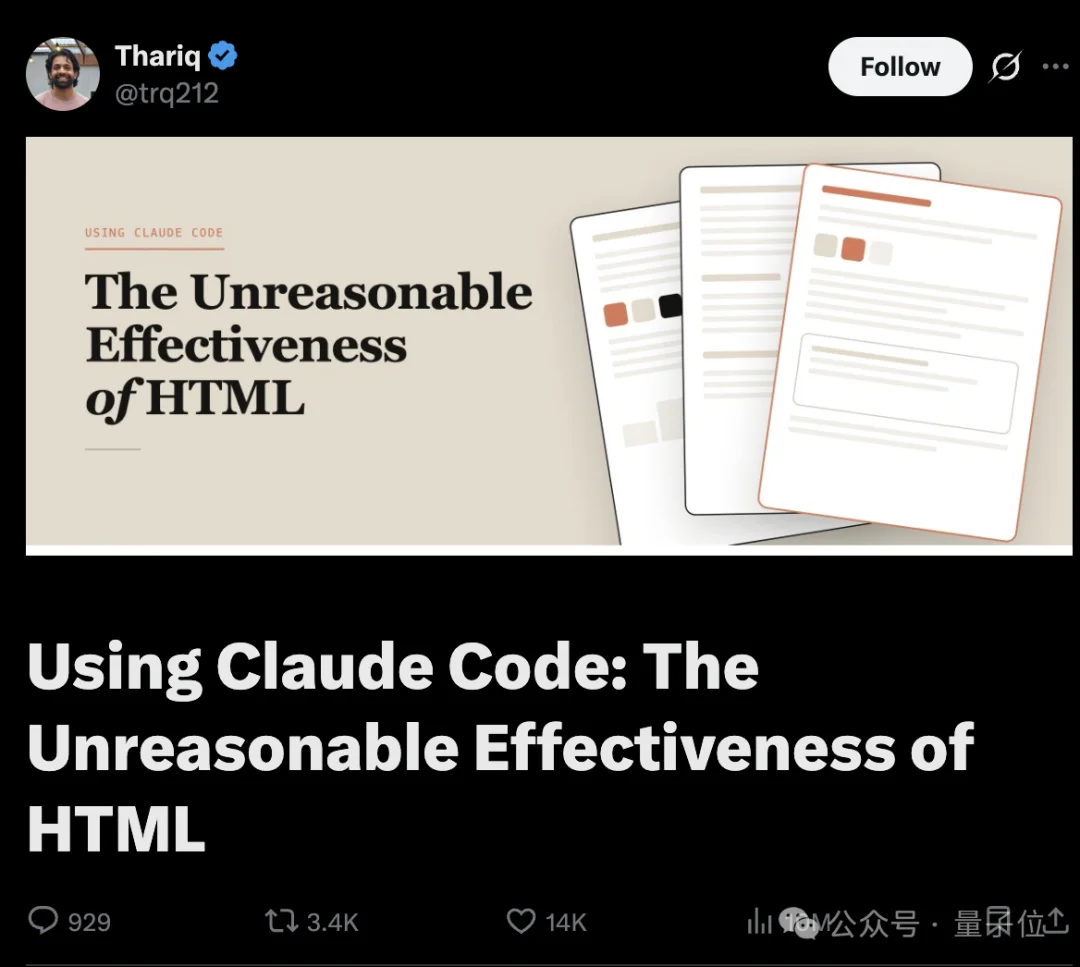
Yes — the once-ubiquitous, human-friendly lightweight markup format, beloved by developers and technical writers alike, is now being openly questioned by the very engineers building next-gen AI systems.
“I barely edit these files manually anymore — I treat them as specs, reference docs, or brainstorming outputs. When edits are needed, I just hand them to Claude.”
— Thariq, Anthropic Engineer
Why HTML? 5 Compelling Reasons
Thariq outlines five decisive advantages of HTML over Markdown in AI-assisted development:
1. Information Density Dominance
- Markdown: Supports headings, bold, lists, code blocks — limited semantic richness.
- HTML: Enables tables, CSS styling, SVG graphics, JavaScript interactivity, Canvas rendering, absolute positioning, and rich media embedding.
“There’s virtually no information type an LLM understands but HTML cannot express.”
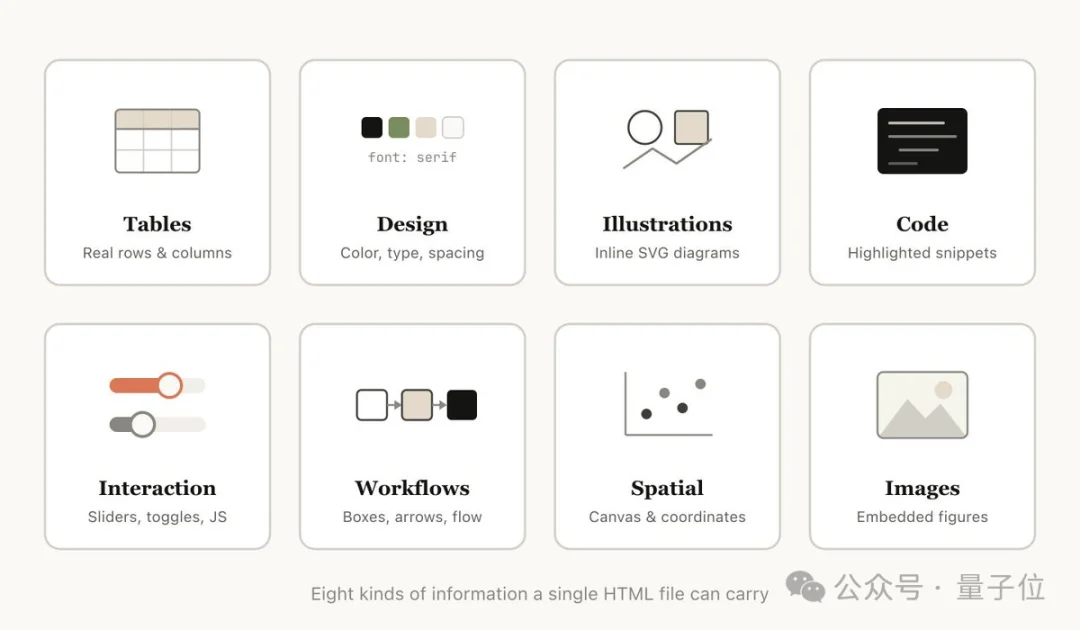
Compare Claude Code’s painstaking ASCII flowcharts or Unicode color approximations with native HTML interactivity — it’s like asking a painter to recreate the Mona Lisa using only chopsticks.
2. Readability & Cognitive Ergonomics
- Markdown files >100 lines become mentally taxing — especially for team review.
- HTML enables tabbed navigation, collapsible sections, responsive layouts, and mobile-optimized viewing.
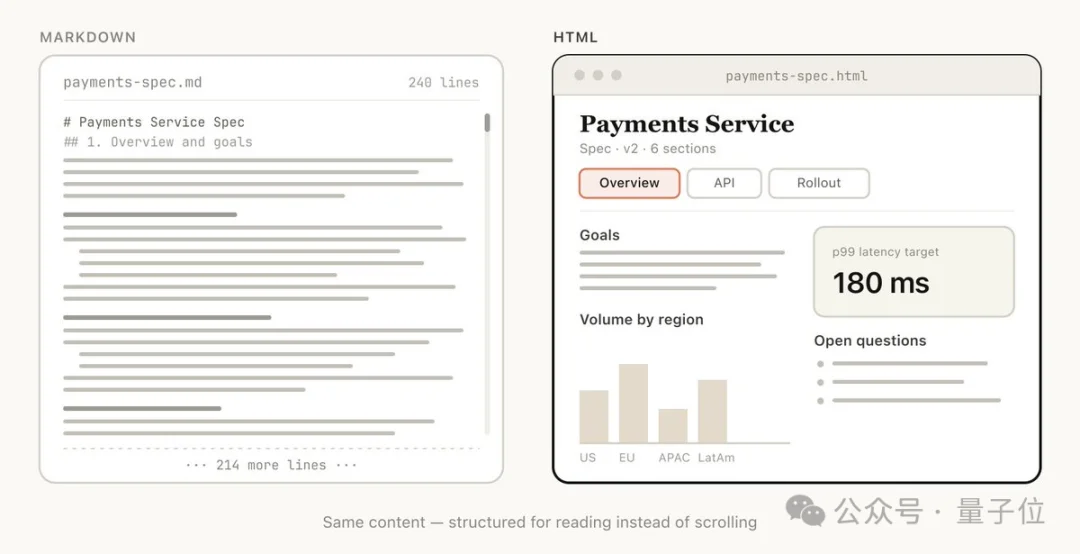
“Honestly, the left (Markdown) gets selectively ignored. My brain flags it as ‘too much cognitive load’ on first glance.”
3. Near-Zero Sharing Friction
- Markdown: Requires attachments + compatible renderers (e.g., VS Code, Obsidian).
- HTML: One-click deploy to S3 / static host → share a clean URL → open instantly in any browser.
“Your spec, report, or PR description has a far higher chance of being read — and acted upon — when delivered as HTML.”
This shift also fuels the rise of personal websites as modern résumés.
4. Bidirectional Interactivity
HTML isn’t static — it’s collaborative:
- Sliders & knobs to adjust parameters in real time
- Drag-and-drop Kanban boards for task prioritization
- Live Prompt editors with side-by-side preview + token counter + copy-to-clipboard
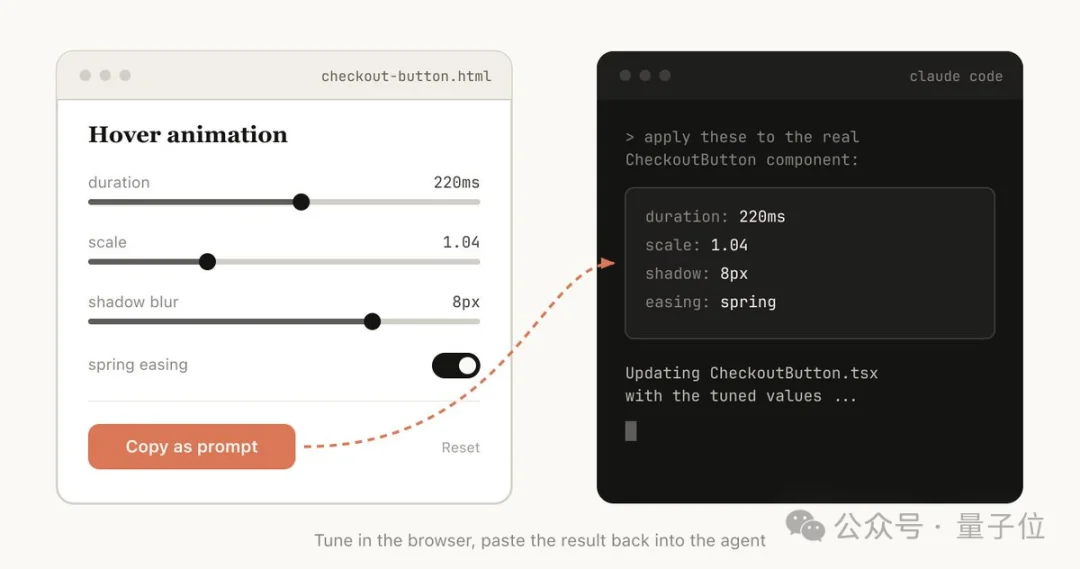
5. Joy of Creation
“Using HTML is simply more fun.”
When tooling sparks joy, humans engage deeper, iterate faster, and produce higher-quality outcomes. Vibe coding thrives on this emotional resonance — and HTML delivers it.
Real-World Use Cases (From Thariq’s Workflow)
✅ Planning & Exploration
Generate 6+ visual mockups in one HTML grid — compare layouts, tone, and information density side-by-side.
Prompt tip:
“I’m unsure how to design an onboarding page. Generate 6 distinct options — varying layout, voice, and density — in a responsive HTML grid. Label each with its trade-offs.”
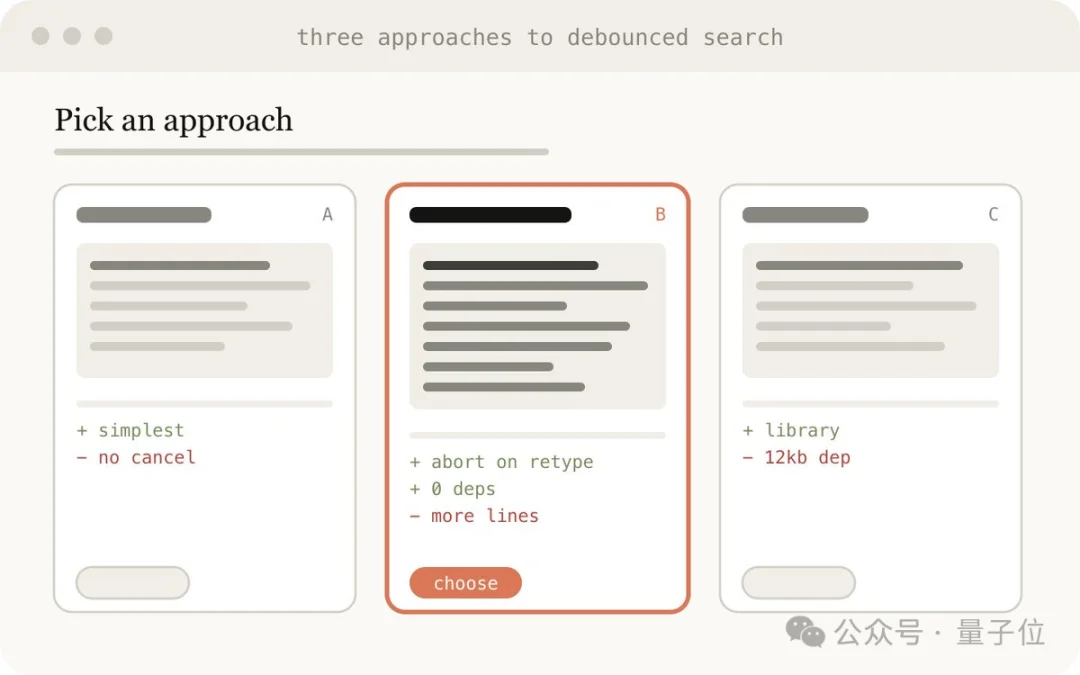
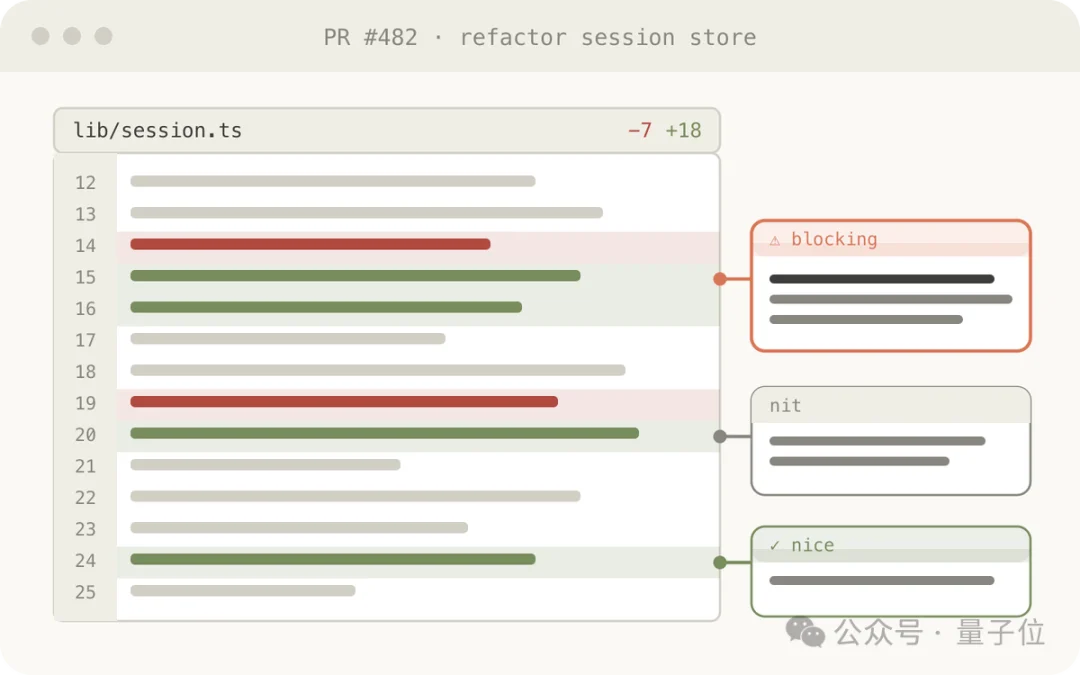
✅ Code Review
Replace unreadable diff blobs with annotated, color-coded, interactive diffs — including inline comments and logic flow diagrams.
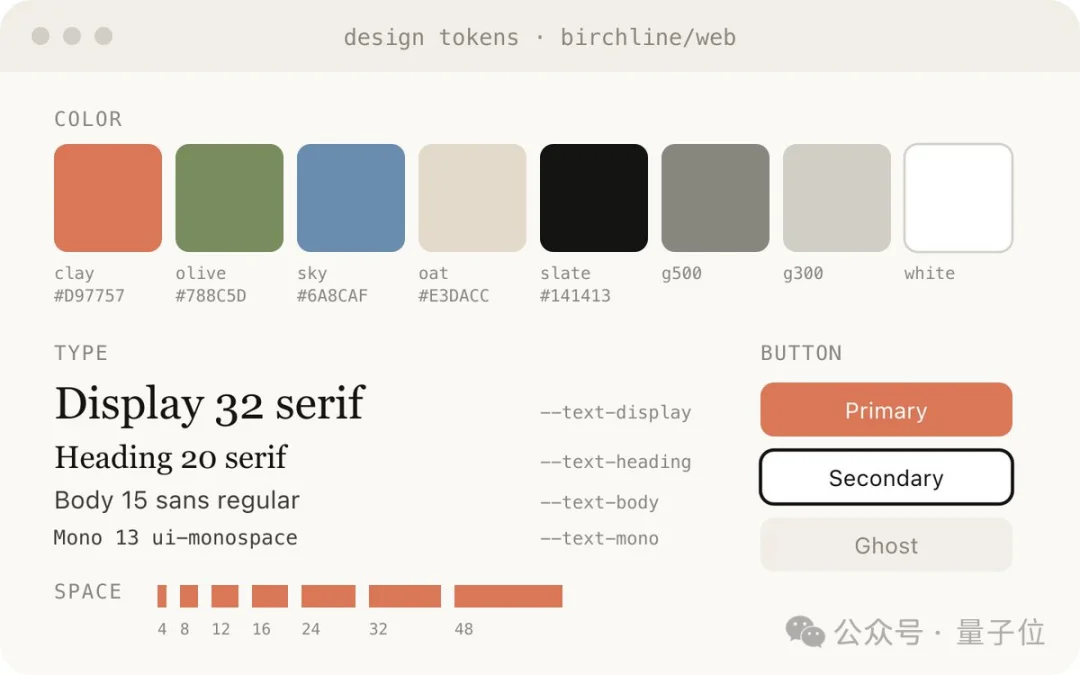
✅ Design & Prototyping
Leverage native HTML/CSS/JS for rapid frontend iteration — no Figma export lag, no handoff friction.
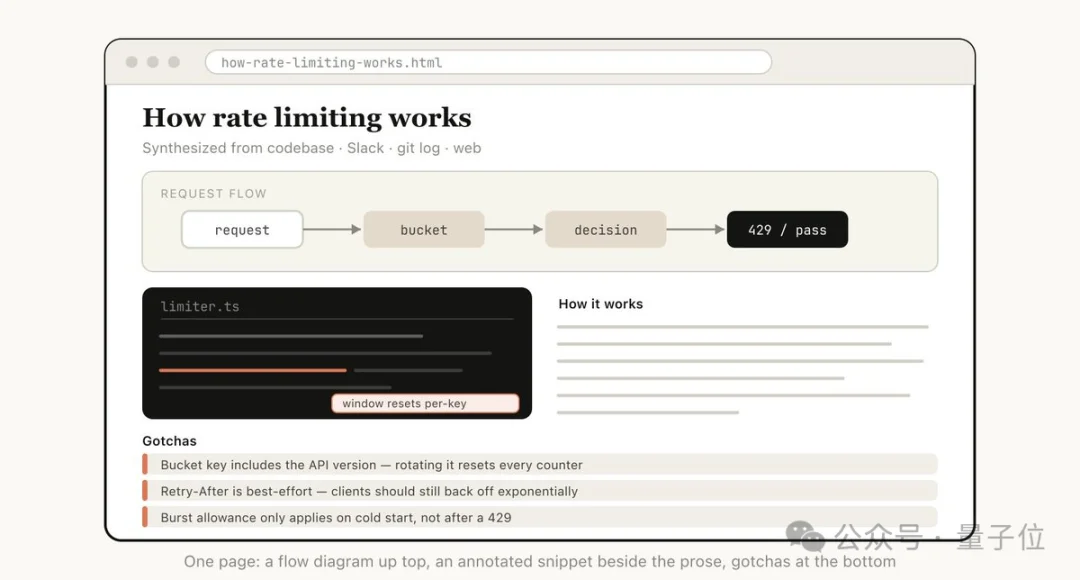
✅ Reporting & Research
Aggregate Slack threads, git history, codebases, and web sources into a single, navigable, searchable HTML report — or even a slide deck.
✅ Disposable Editors
Build one-off, purpose-built tools: drag-and-drop ticket reordering, live system prompt playgrounds, or token-aware editors — then discard after use.
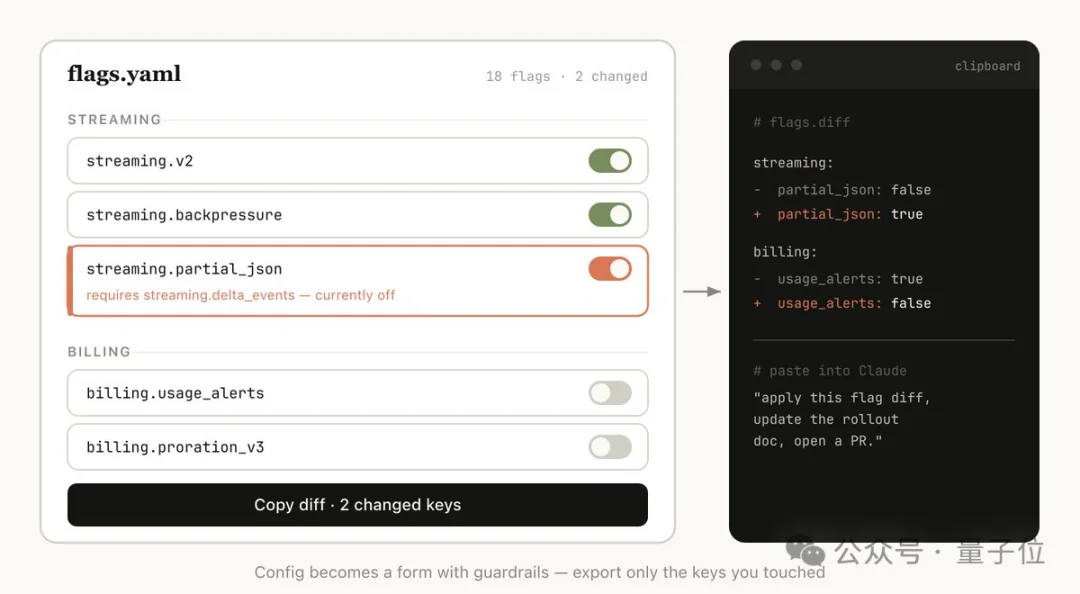
“Luxury? Yes. But the time saved far exceeds the 30 seconds spent describing the need.”
Q&A: Addressing Key Concerns
❓ “Doesn’t HTML cost more tokens?”
Yes — ~2–4× more than equivalent Markdown. One engineer estimated $5,000/year extra cost across 7 projects. Yet Thariq argues the ROI is clear: you actually read and act on HTML outputs. With Opus 4.7’s 1M-token context, overhead becomes negligible.
❓ “What about version control?”
A genuine weakness: HTML diffs are noisy. Thariq admits no perfect solution — but notes that for ephemeral artifacts (planning docs, reports, PR summaries), Git history matters less than clarity and utility.
❓ “How do I generate beautiful, on-brand HTML?”
- Start with design-system prompts: “Analyze our codebase and generate a reusable HTML design system file.”
- Use frontend-focused AI skills (e.g., Tailwind, ShadCN integrations)
- ⚠️ Caution: Avoid “AI slop” — ensure brand consistency before prompting at scale.
Karpathy Endorses the Shift
Andrej Karpathy weighed in with strong support:
“The hottest current suggestion: Ask for HTML output.”
He frames it as an evolutionary arc:
- 📜 Plain text →
- 🧩 Markdown →
- 🌐 HTML →
- 🎥 Interactive video (diffusion-generated)

He also highlights input evolution: pointing at screen elements (“change this”) will soon replace screenshots or vague natural language — accelerating human-AI co-creation.
A Copernican Shift in Intelligence Philosophy
This isn’t merely a syntax debate — it’s a paradigm reset.
- Markdown was designed for humans: simple, intuitive, editable.
- HTML is optimized for AI-human collaboration: structured, precise, renderable, interactive.
“Who writes these files? Not you — it’s the AI. Who reads them? Often, both you and the AI — or sometimes only the AI.”
As陶哲轩 (Terence Tao) observed: we’re undergoing a cognitive Copernican Revolution, where human intelligence is no longer the sole center of the universe — but one intelligent modality among many.

“Everything is being rewritten. Rules built solely for human convenience are now being re-evaluated — not because they’re flawed, but because human experience is no longer the only priority.”
So — don’t panic. Instead, question everything. Rebuild from first principles. And maybe… start learning <div> again.
🔗 References
- Thariq’s original thread: https://x.com/trq212/status/2052809885763747935
- Karpathy’s endorsement: https://x.com/karpathy/status/2053872850101285137
Article originally published by QuantumBit, author Jay.