AI Now Finds Zero-Day Vulnerabilities Autonomously
Anthropic research scientist Nicholas Carlini demonstrated at [un]prompted 2026 that LLMs can autonomously discover and exploit zero-day vulnerabilities — including in the Linux kernel, audited for decades by human experts.
Key Breakthrough: From Prompt to Exploit in Minutes
In a landmark 25-minute live demo at the [un]prompted 2026 security conference, Nicholas Carlini — Anthropic research scientist and former Google Brain/DeepMind researcher — showed that modern language models can:
- Discover and exploit zero-days without human guidance, using only a single prompt and a virtual machine;
- Target production-grade software previously considered secure;
- Generate complete, working exploit code — including blind SQL injection payloads and remote heap buffer overflow chains.
Carlini emphasized his prior skepticism toward LLM capabilities: “I used to be an LLM critic — poking holes in them daily. Now, they’re outpacing me as a vulnerability researcher.”
Case Study 1: Ghost CMS — First Critical CVE in a 50k-Star Project
Ghost CMS (GitHub: 50,000+ stars) had no prior critical-severity CVEs — until Claude Opus 4.6 found one.
Vulnerability Details
- Type: Blind SQL injection in user-input concatenation (a known but persistently exploited pattern);
- Impact: Full admin credential exfiltration —
admin API key,secret, andbcrypt-hashed password— without authentication; - CVE: CVE-2026-26980, severity 9.4 (Critical).
“The model wrote the full exploit — timing-based inference, payload orchestration, and credential parsing — without security training. I could write it too… but not this fast, and not this reliably.”
Case Study 2: Linux Kernel — A 2003 Bug Rediscovered by AI
Carlini revealed multiple remotely exploitable heap buffer overflows in NFSv4 daemon — one dating back to 2003, predating Git itself.
Attack Flow (AI-Generated Diagram)
- Attacker controls two NFS clients (A and B);
- Client A requests lock with a 1024-byte
ownerstring; - Client B attempts same lock → server copies A’s oversized
ownerinto a 112-byte kernel buffer; - Result: Remote heap overflow — exploitable over the network.

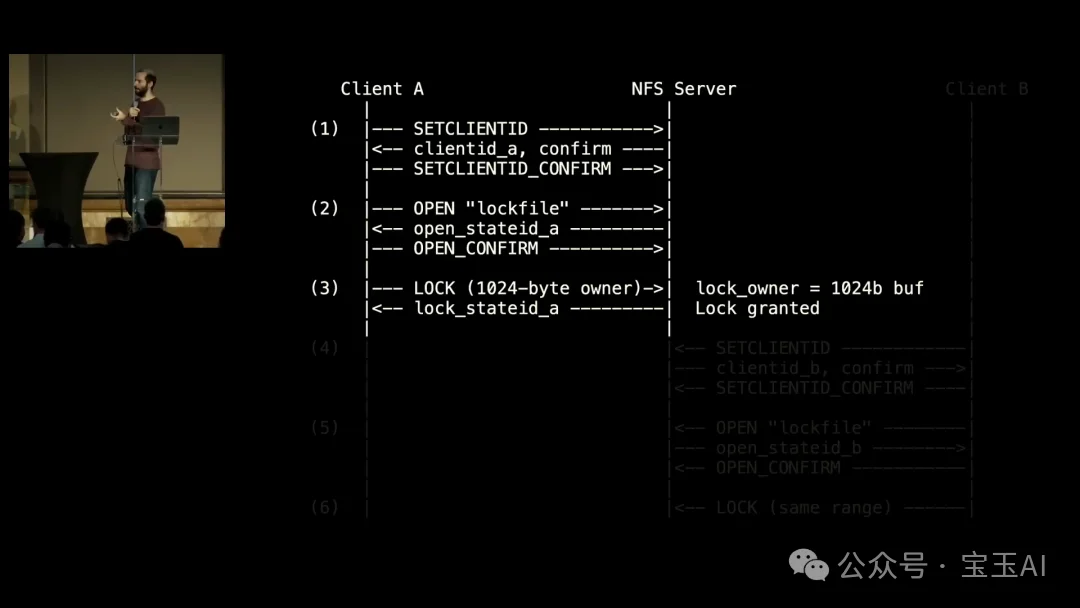
Key observations:
– ✅ Not detectable via traditional fuzzing (requires precise dual-client coordination);
– ✅ Attack flowchart was auto-generated by the model, not hand-drawn;
– ✅ Carlini: “This bug is older than some people in this room.”
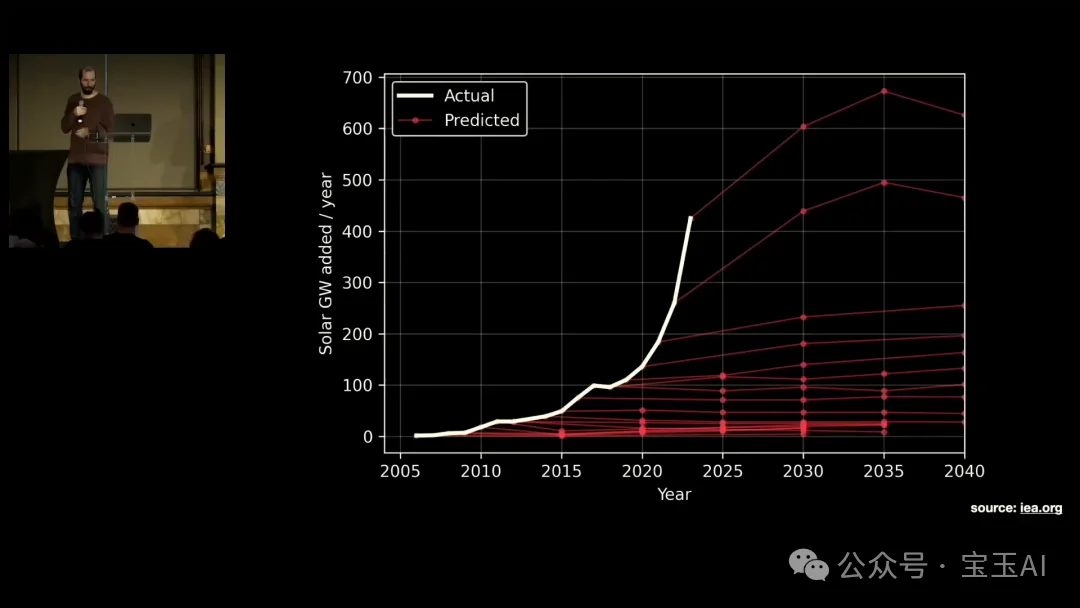
The Exponential Curve: Capability Doubling Every ~4 Months
METR and Anthropic MATS data confirm rapid acceleration:
| Metric | Trend |
|---|---|
| Autonomous task duration ceiling (50% success rate) | Doubling every ~4 months (accelerating from prior ~7-month trend) |
| Smart contract exploit value | Millions of dollars recovered in test environments |
| Linux kernel crash reports | Hundreds unverified — bottleneck now lies in human triage, not discovery |
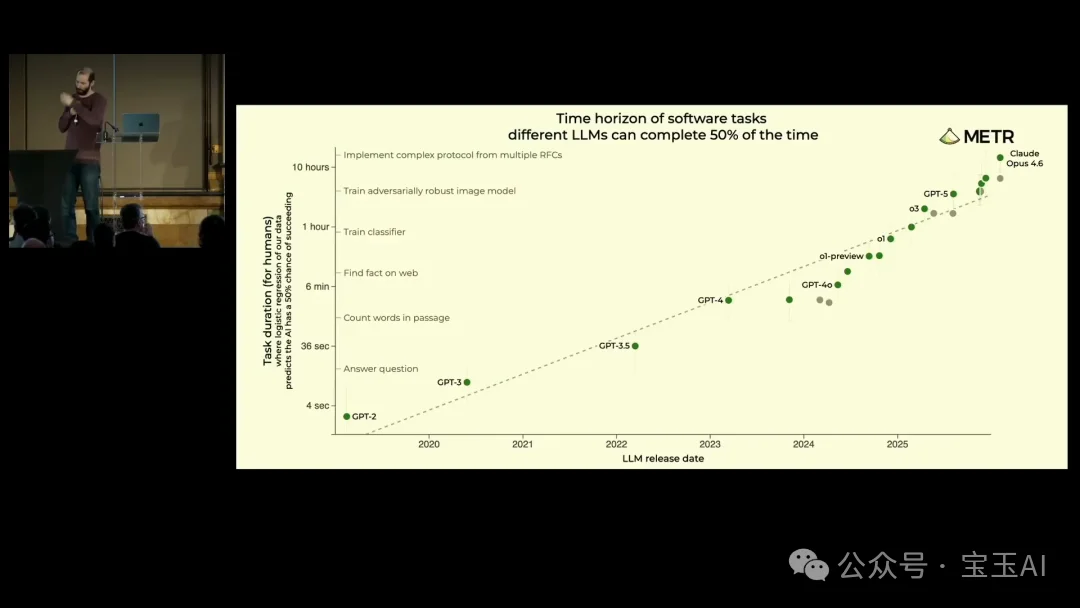
“It’s not about what models do today. It’s that your laptop’s model will match today’s frontier in ~12 months — and then surpass it.”
Industry Response: Defense Tools Emerge — But Lag Behind
Major labs are shipping AI-native security agents:
- 🔹 Anthropic: Claude Code Security (limited preview for enterprises);
- 🔹 Google DeepMind: Big Sleep + Project Zero integrations;
- 🔹 OpenAI: Aardvark — GPT-5-powered autonomous security researcher.
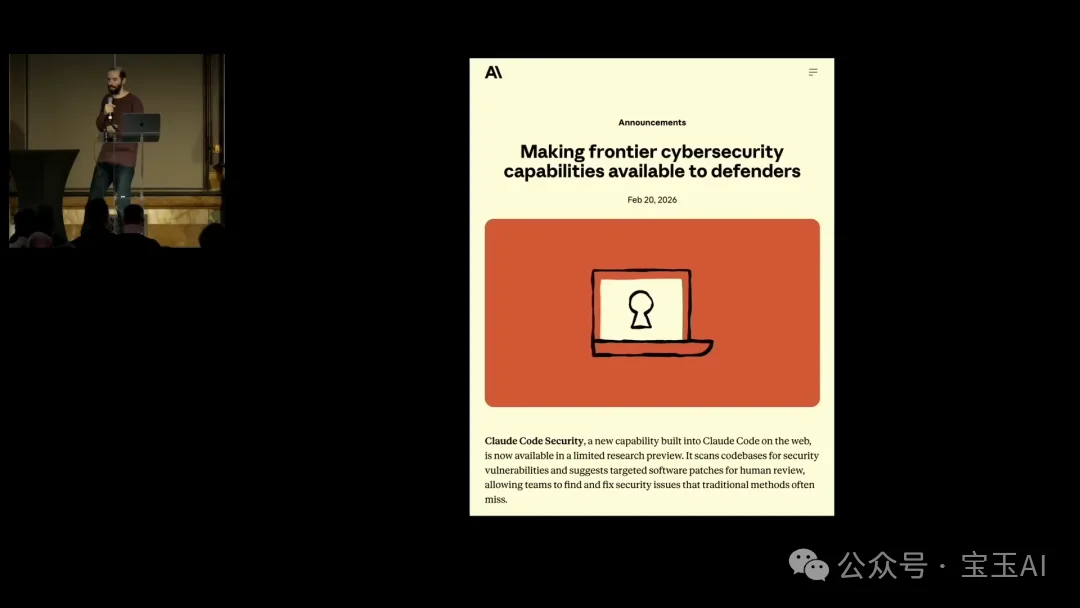
Yet Carlini warns: “We’re not racing to build better locks — we’re racing to avoid handing keys to everyone.”
Q&A Highlights: Dual-Use Dilemma & Transition Risk
On Intent Detection & Model Restrictions
“Restrictions either block defenders or fail to stop attackers. The balance is fragile — and we need help scaling responsible use.”
On Long-Term Outlook
- ✅ Long-term: Rust, formal verification, and memory-safe protocols can win;
- ⚠️ Transition period: Will be turbulent — like the Industrial Revolution for cybersecurity.
Conclusion: Action Window Is Measured in Months
Carlini’s three core takeaways:
- ✅ Threshold crossed: LLMs have surpassed human-level capability in autonomous vulnerability discovery — confirmed in March 2026;
- 📈 Growth shows no sign of plateauing: Exponential scaling continues — expect new capability leaps with each major model release;
- ⏳ Transition imbalance is urgent: Defenders must scale triage, patching, and tooling now — before AI-discovered zero-days flood OSS maintainers.
“Current LLMs are better vulnerability researchers than I am.”
“Help us make the future go well.”
Further Resources
- 🎥 Full talk: https://www.youtube.com/watch?v=1sd26pWhfmg
- 📄 Anthropic research report: “Evaluating and mitigating the growing risk of LLM-discovered 0-days”
- 🧾 CVE-2026-26980 advisory: NIST NVD