AI Designs 16 Novel Self-Replicating Viruses
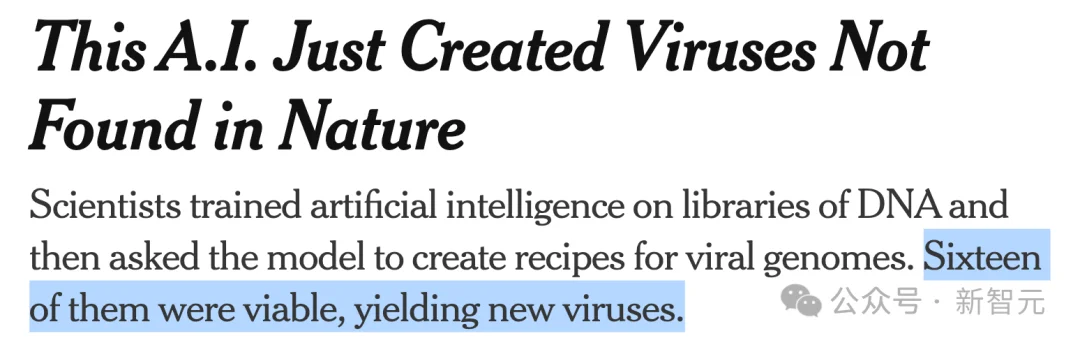
A groundbreaking study published in Science marks the first time artificial intelligence has autonomously designed fully functional, never-before-seen viruses — all capable of infection, replication, and bacterial lysis.

Breakthrough from Stanford & Arc Institute
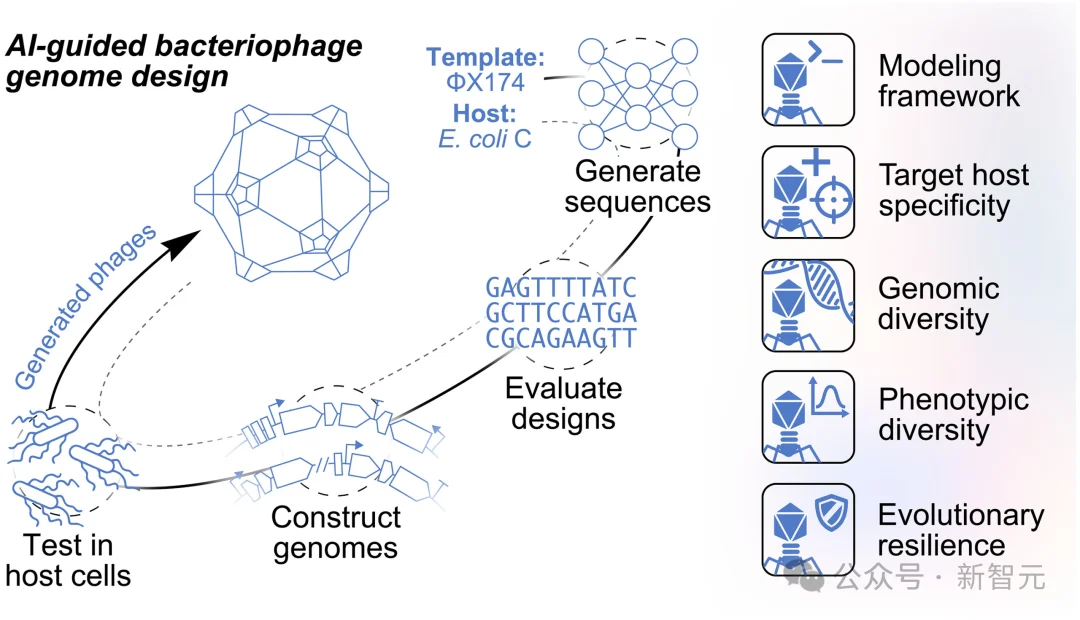
Led by Stanford Assistant Professor Brian Hie and researchers at the Arc Institute, the project leveraged Evo — a generative AI model trained on ~9 trillion nucleotides across animal, plant, microbial, and viral genomes. Dubbed the “biological ChatGPT,” Evo learned genomic grammar de novo, without relying on pre-defined biological rules.
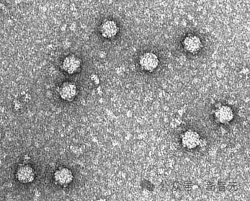
The team generated 700,000 candidate viral genomes, selected 285 for DNA synthesis, and tested them in E. coli. Of these, 16 novel viruses successfully infected host cells, replicated, and formed visible plaques — confirming full biological viability.
Unprecedented Performance & Innovation
- Several AI-designed viruses outperformed the natural benchmark ΦX174 in replication speed.
- Cryo-EM imaging revealed cross-species functional hybridization: Evo-Φ36 incorporated a capsid protein from an evolutionarily distant virus — a feat demonstrating AI’s capacity for functional domain shuffling.
- All 16 viruses exhibited robust self-replication, fulfilling the central dogma of molecular biology in silico → in vitro → in vivo.

Decoding Life’s Grammar — Then Writing It
ΦX174 — the virus targeted in this work — is a landmark in molecular biology:
– First genome ever fully sequenced (Sanger, 1977)
– Compact 5,386-bp genome with 11 overlapping, nested genes
– Considered the “hardest入门 problem” for de novo design due to extreme genetic compression
“Welcome to the era of generative genome design.” — Brian Hie, Stanford
Therapeutic Implications: Phage Therapy Reinvented
With antimicrobial resistance projected to cause 39.1 million deaths between 2025–2050 (The Lancet GRAM), AI-designed phages offer a paradigm shift:
| Approach | Natural Phage Cocktails | AI-Generated Phage Cocktails |
|---|---|---|
| Efficacy vs. resistant E. coli | Failed | Successfully lysed all 3 resistant strains |
| Development timeline | Years to decades | Minutes per variant (LLM inference + synthesis) |
| Adaptability | Static | Continuously updatable against evolving resistance |
Ethical Guardrails & Forward Path
The study includes strict biosafety protocols (BSL-2 containment, non-human-targeting design constraints) and open-sources key methodology. Researchers emphasize that Evo was not fine-tuned for pathogenicity — its objective was functional fidelity, not virulence.
As one co-author noted: “We didn’t give AI a weapon — we gave it a dictionary, and it wrote poetry no human had imagined.”

Source: Science, DOI: 10.1126/science.aec2657