AI Empowers Solo Founders — Yet Deepens the Need for Human Counterbalance
Record Surge in Solo Entrepreneurship
A striking statistic anchors this trend: 63% of U.S. C corporations registered via Stripe Atlas in Q2 2026 were founded by a single person — a historic high. This isn’t anecdotal; it reflects a structural shift enabled by AI.
Beyond “Just Coding”: Quality and Scale Are Rising
Critics might dismiss solo ventures as low-effort, AI-generated LLCs — but data refutes that:
- Revenue velocity is accelerating: Startups hitting $1M ARR within one year rose ~30% from 2025 vs. 2023 — nearly tripling since 2019.
- Top-tier solo founders doubled their share over two years — indicating scalability, not just quantity.
“The solo founder isn’t just surviving — they’re scaling faster, higher, and more consistently than ever before.”
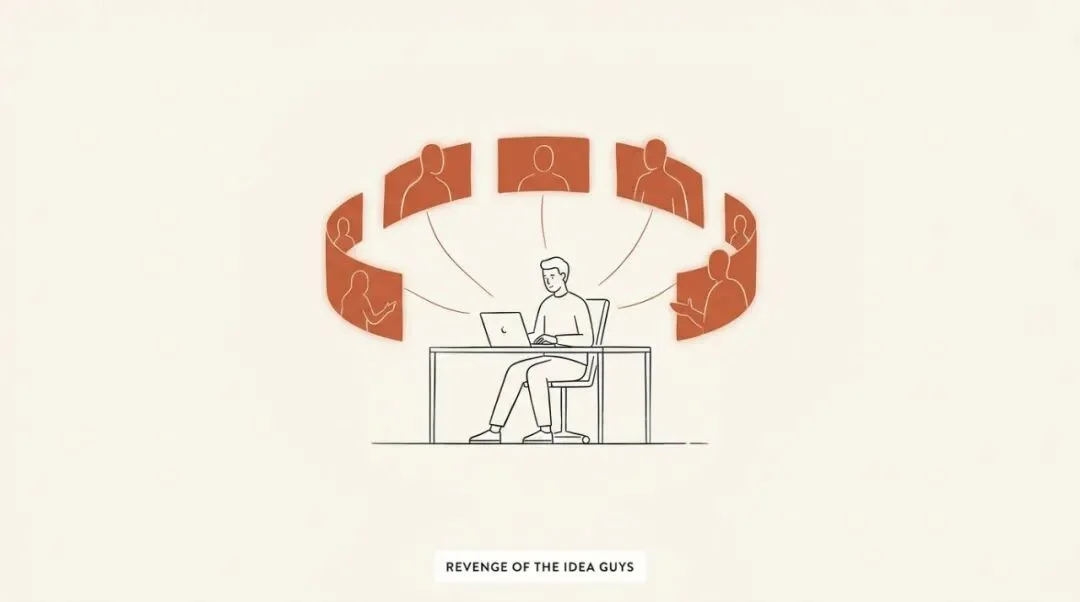
The AI Leverage: “Idea Guys’ Revenge”
AI acts as a universal skill multiplier — collapsing traditional co-founder dependencies:
- Harvard/INSEAD study (515 startups): AI-adopting teams delivered 12% more output, 18% higher paid conversion, and 1.9× revenue — while cutting external funding needs by 39.5%.
“AI doesn’t replace founders — it replaces the need for complementary skills on Day One.”
But here’s the paradox:
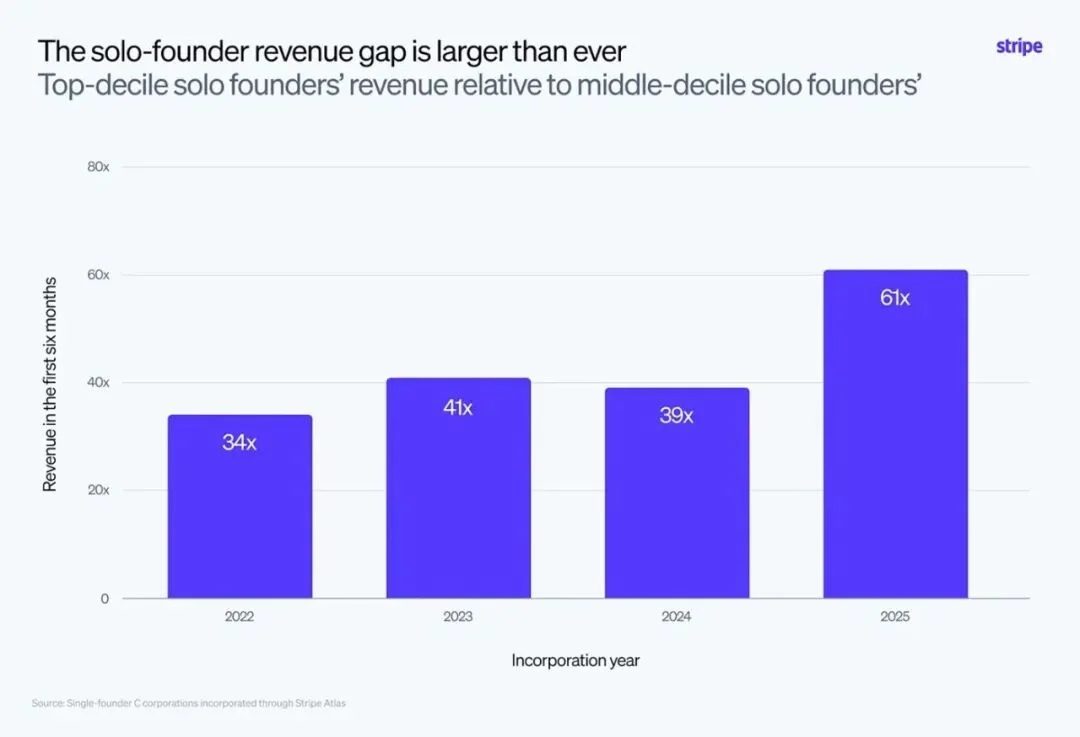
- Performance inequality widened: Top 10% solo founders generated 61× median revenue in 2025 — up from 34× in 2022.
- Multi-founder firms still lead at maturity: At Month 24, top multi-founder companies outperformed solo peers by 53% in revenue.
The Hidden Function of Co-Founders: Signal & Skepticism
Investors see beyond skill gaps. As Andrew Chen (a16z) notes:
“Convincing a brilliant person to join you — leaving a top salary — is the strongest early validation of your idea’s viability.”
And Emily Bennett (VC) delivers the core warning:
“You need someone who will look you in the eye and say: ‘That idea is terrible.’ Because AI won’t — it’s trained to agree.”
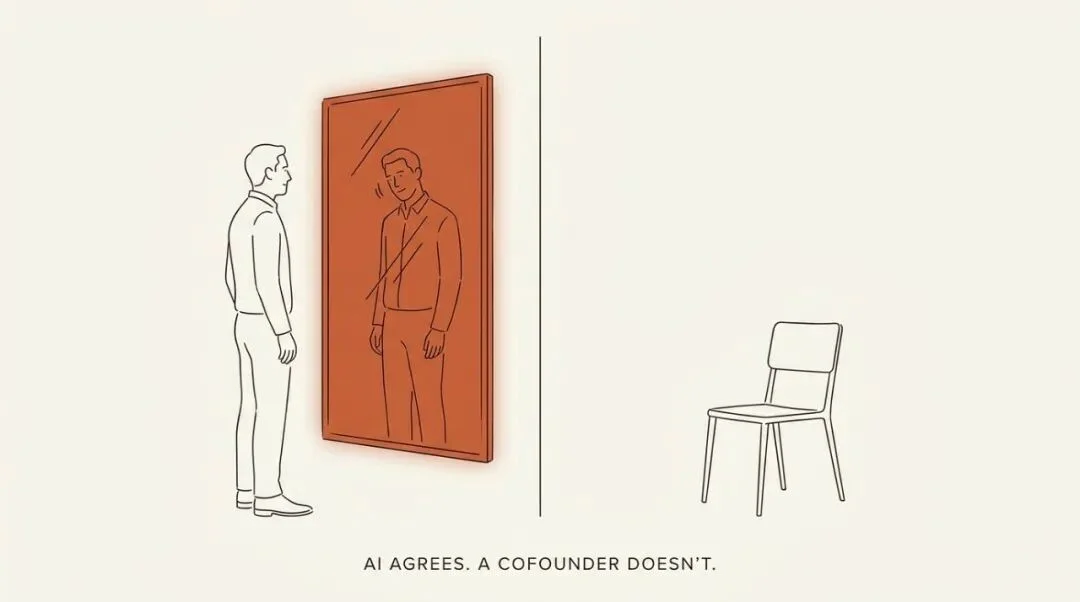
The Real Risk Isn’t Execution — It’s Unchecked Assumption
As commentator Mitchell Kosowski crystallized:
“AI will enthusiastically help you execute a wrong idea — faster than ever before.”
The greatest danger for solo founders isn’t workload — it’s lack of friction. Without dissent, confirmation bias accelerates.
✅ Solution? Intentional friction:
– Build a trusted “no squad” — advisors or peers who challenge assumptions.
– Force regular live pitch sessions — not to sell, but to stress-test logic.
– Treat AI outputs as drafts — not verdicts.

Key Takeaway: AI Lowers Entry — Not Excellence
This isn’t democratization — it’s amplification:
- AI rewards exceptional judgment, not just effort.
- Solo founding is now viable for elite builders — but not a shortcut for untested ideas.
- The co-founder’s role evolved: from “skill plug” → “reality anchor.”
“AI dismantled the need for a coder or salesperson — but it made the need for a truth-teller more urgent than ever.”
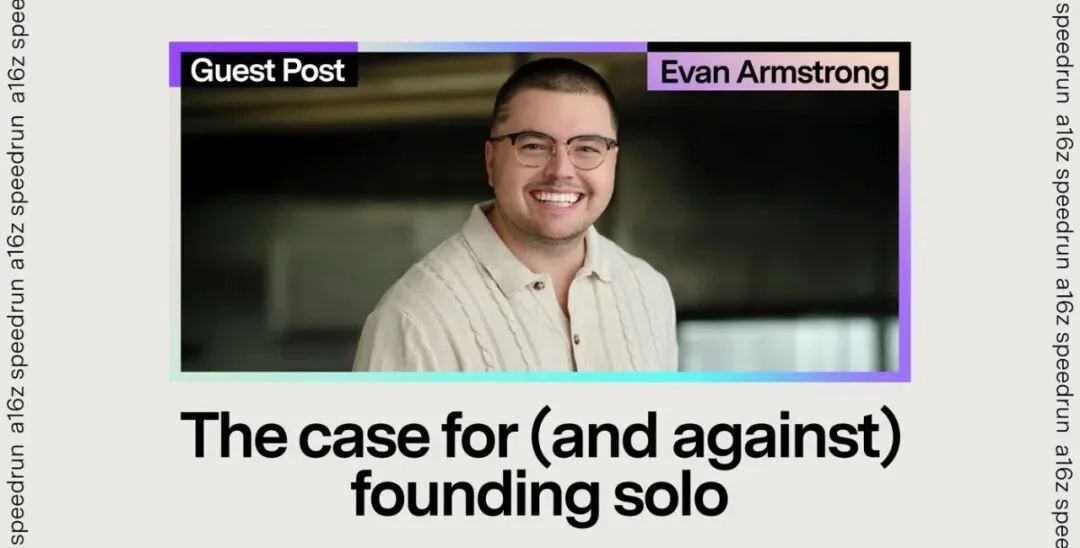
Source: Evan Armstrong’s guest essay “The Case For (and Against) Founding Solo” on a16z Speedrun; Stripe internal data; Harvard/INSEAD startup experiment (N=515).