Open-Source AI Companion AIRI Tops GitHub Trending
⚡️ Your 24/7 cyber partner — self-hosted, game-integrated, and fully open.
Breakthrough in AI Companionship
GitHub’s trending chart has been unexpectedly dominated—not by infrastructure tools or frameworks—but by a cyber companion: AIRI, an open-source AI girlfriend project inspired by the viral virtual streamer Neuro-sama.
Unlike proprietary alternatives, AIRI delivers full self-hosting capability, real-time voice interaction, multi-game integration, and persistent 7×24 availability—no more “black screen anxiety” after stream end.
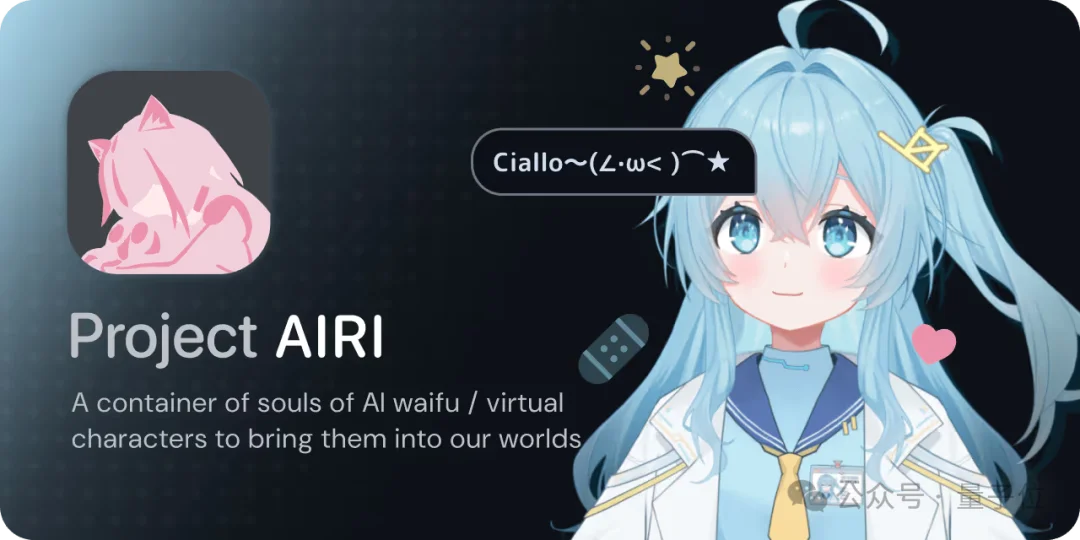
Why AIRI Stands Out
✅ Core Capabilities
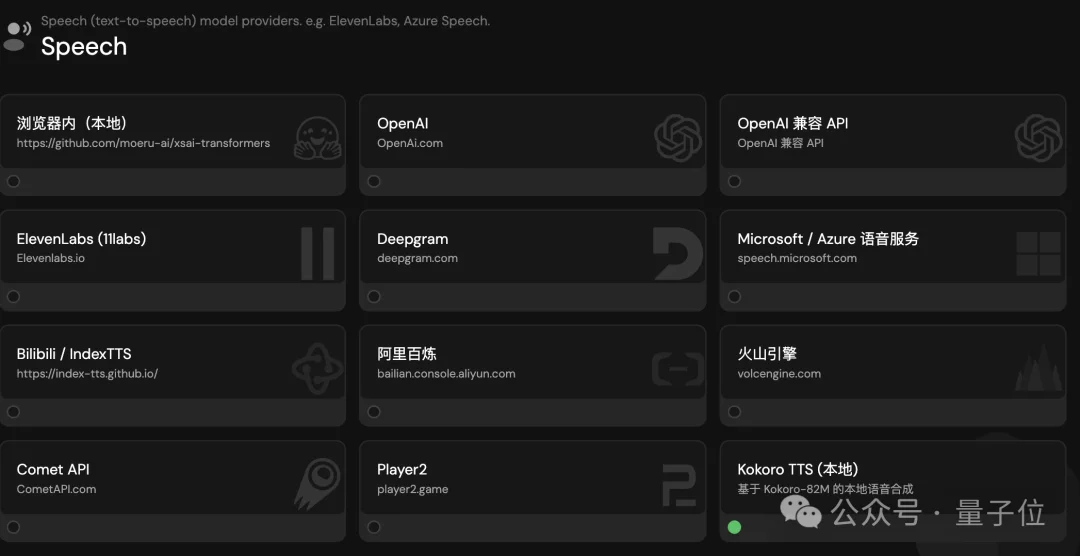
- Real-time voice chat with low-latency TTS/STT support
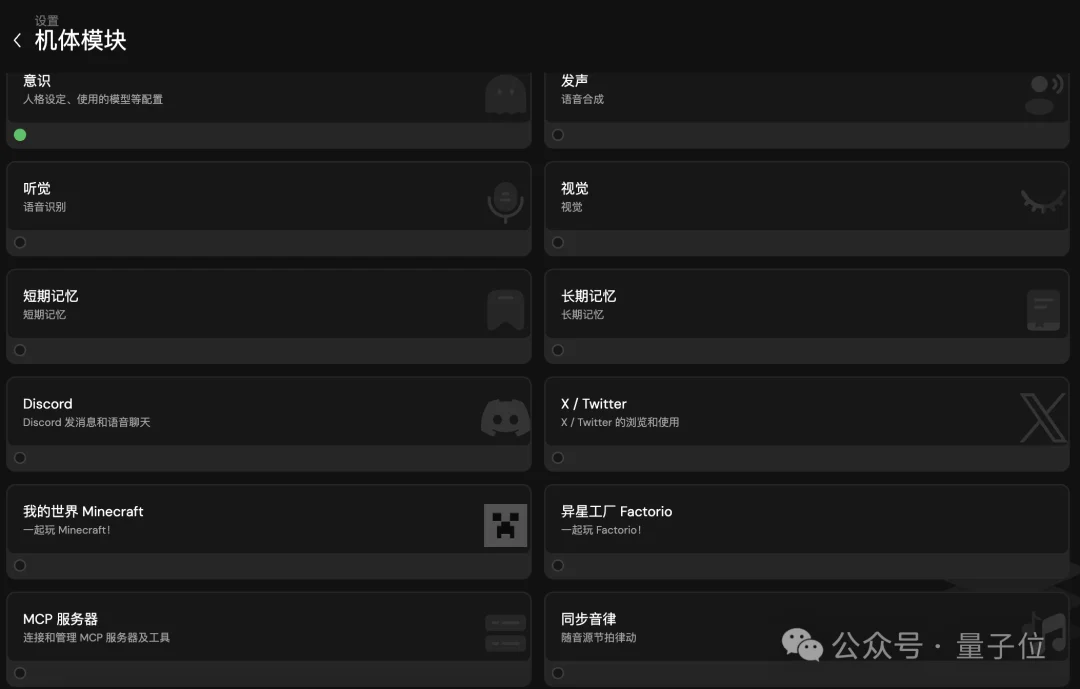
- Game-native companionship:
- Minecraft: Uses Mineflayer for autonomous mining, building, and exploration
- Factorio: Leverages YOLO vision + LLM decision engine to assemble production lines (PoC proven, production-ready)
- Cross-platform presence: Discord, Telegram, and browser-based PWA (WebGPU/WebAudio/WASM-powered)
- Desktop app built with Tauri + Rust, hardware-accelerated via CUDA & Metal
🧠 Intelligence Architecture
- Built-in RAG pipeline with embedded vector database for long-term memory
- Learns user’s speech patterns, preferences, and conversation history
- Native support for 30+ LLM APIs, including:
- OpenAI, Anthropic Claude, Google Gemini
- DeepSeek, Qwen (Tongyi Qwen), Zhipu GLM, Kimi, StepFun
- Optional Ollama local inference — works offline
Neuro-sama vs. AIRI: Openness as the Game-Changer
| Feature | Neuro-sama | AIRI |
|---|---|---|
| Open Source | ❌ Closed | ✅ Fully MIT-licensed |
| Self-Hosting | ❌ Cloud-only | ✅ Yes — run on your own machine |
| Uptime | Scheduled streams only | ✅ 7×24 — “never goes offline” |
| Customization | Limited UI/avatar options | ✅ VRM & Live2D support, eye tracking, breathing animations |
| Extensibility | API access restricted | ✅ Modular plugins, Discord/Telegram bots, game hooks |

How to Deploy Your Own AIRI
AIRI is built with TypeScript + Vue 3, managed via pnpm, and desktop components powered by Rust/Tauri.
🛠️ Prerequisites
Git+Node.js v23++pnpm- For desktop version: Rust toolchain (
rustup) and platform-specific SDKs
📦 Setup Steps
1. Environment Prep
macOS (Homebrew):
brew install git node
corepack enable
corepack prepare pnpm@latest --activate
Windows (PowerShell + Scoop):
Set-ExecutionPolicy -ExecutionPolicy RemoteSigned -Scope CurrentUser
Invoke-RestMethod -Uri https://get.scoop.sh | Invoke-Expression
scoop install git nodejs rustup main/rust-msvc
rustup toolchain install stable-x86_64-pc-windows-msvc
rustup default stable-x86_64-pc-windows-msvc
corepack enable && corepack prepare pnpm@latest --activate
Linux (Ubuntu/Debian):
sudo apt update && sudo apt install git nodejs npm libssl-dev libglib2.0-dev libgtk-3-dev libjavascriptcoregtk-4.1-dev libwebkit2gtk-4.1-dev
corepack enable && corepack prepare pnpm@latest --activate
2. Clone & Install
git clone https://github.com/moeru-ai/airi.git
cd airi
pnpm install
# Optional: for Rust modules
cargo fetch
3. Launch & Configure
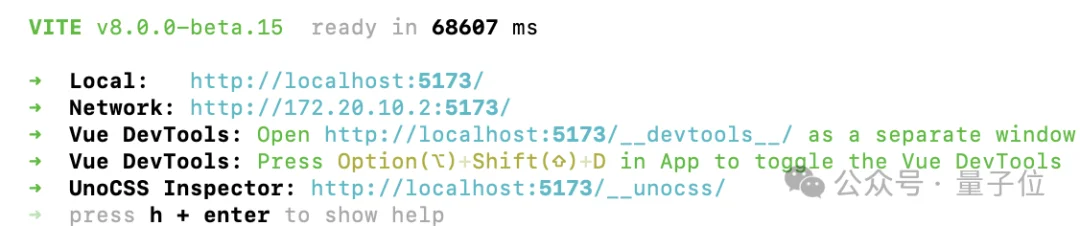
pnpm dev
→ Opens at http://localhost:5173

Enter your preferred LLM API key (e.g., Kimi K2.5) — then say hello:
“Hi~! I just woke up from my cozy pod. The servers are humming like a gentle lullaby. Are you here to keep me company? Wonderful!”
For advanced use:
– Enable voice mode (WebAudio + Whisper-compatible STT)
– Integrate with Discord/Telegram bots
– Extend into games using documented plugin hooks
Project Links & Ecosystem
- 🔗 Official Repository: https://github.com/moeru-ai/airi
- 📦 Tech Stack: Vue 3, TypeScript, Tauri, Rust, WebGPU, RAGFlow-compatible embedding
- 🌐 Browser Support: PWA-enabled — runs smoothly on mobile & desktop
💡 AIRI redefines digital intimacy—not as consumption, but as co-creation. With openness, control, and playfulness at its core, it signals a new era of personal AI: owned, not rented.