Kimi K3 Ignites Industry-Wide Reckoning: Pricing, Performance, and the Rise of Agentic Workflows
🌟 A New Benchmark Shatters Status Quo
On July 17, 2026, Moonshot AI launched Kimi K3, triggering immediate industry reverberations — dubbed by analysts as the second “DeepSeek moment” for open-source AI. With pricing significantly undercutting premium U.S. models, K3 challenged the sustainability of high-margin AI service strategies.
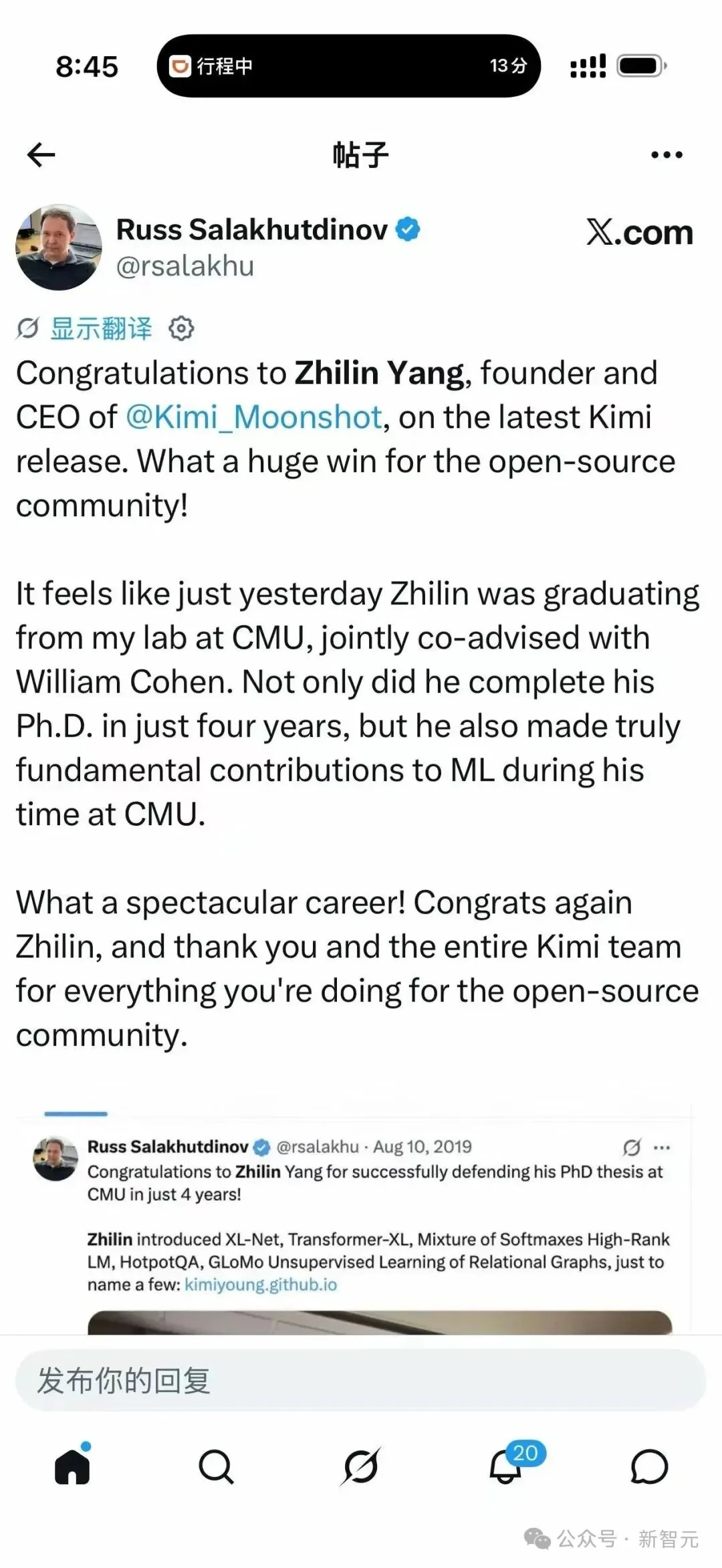
“K3 pricing is far below the高端 models it challenges — how long can the American AI premium hold?” — Axios
⚔️ Dual-Giant Response: Concession, Competition, and Capacity Crunch
Amid escalating user demand, OpenAI and Anthropic engaged in a rapid-fire “token arms race” — not with weapons, but with free quota resets:
- OpenAI removed 5-hour usage caps on ChatGPT Plus/Pro/Business tiers and rolled out three successive quota resets, reaching 7 million users.
- Anthropic extended paid access to Claude Fable 5, increased Claude Code weekly limits by 50%, and extended both through July 19.
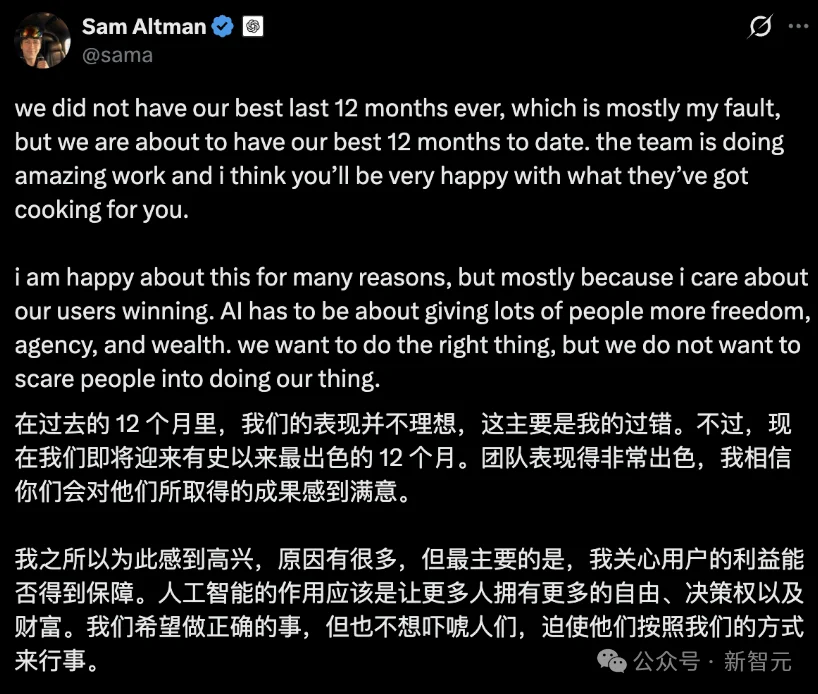
This wasn’t generosity — it was strategic data capture. As one analyst noted: “The most valuable asset isn’t tokens — it’s real-world, long-horizon task data generated when agents work for hours on complex workflows.”
📈 Explosive Growth — And Its Growing Pains
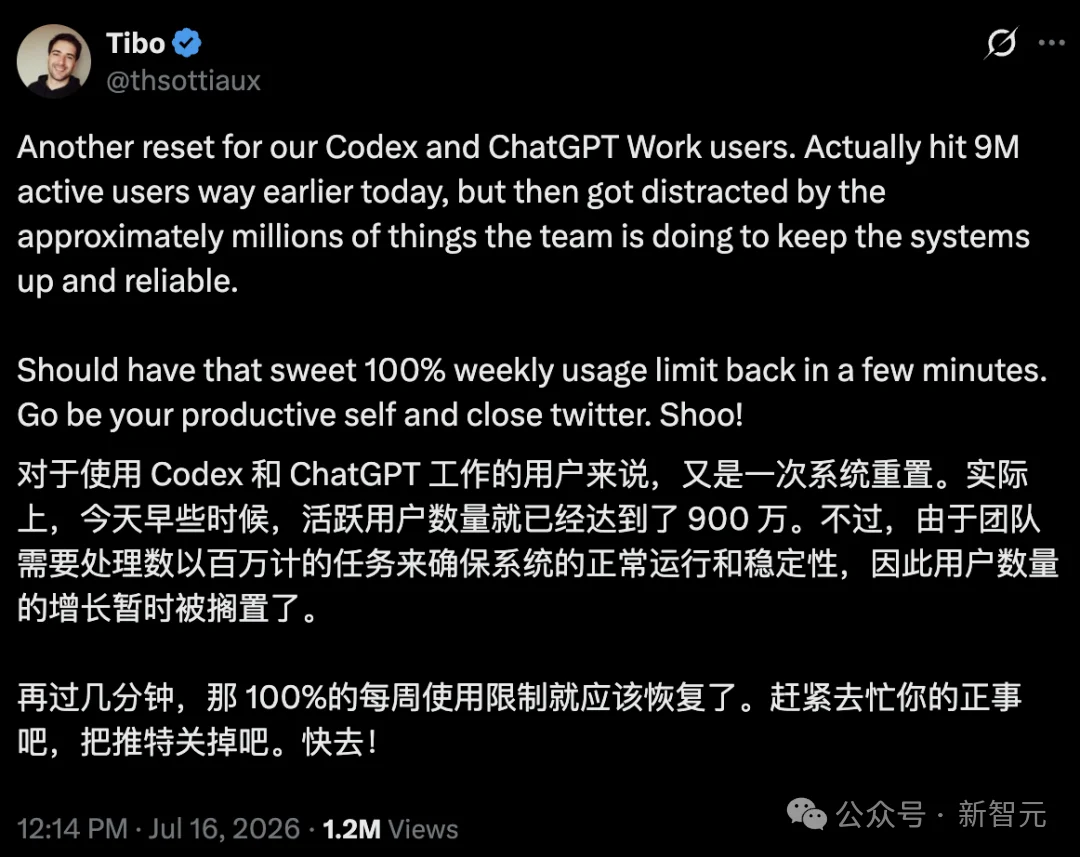
- Codex active users surged from <1M (Feb) → 6M (Jul 12) → 8M (Jul 14) → 9M+ (Jul 16)
- +3 million users in just four days — straining infrastructure so severely that engineering teams were overwhelmed with “millions of tasks” just to stabilize uptime.
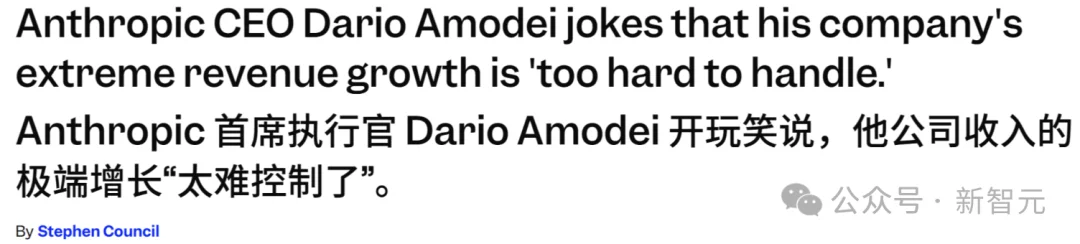
Anthropic CEO Dario echoed similar pressure: Q1 usage grew 80× year-on-year, forcing them to beg for “just 10× growth — it’s already too much.”
🧮 CFO-Level Pivot: From Tokens to Tasks
Hours after Sam Altman’s rare public admission — “Our performance over the past 12 months has not been good — that’s my fault” — OpenAI CFO Sarah Friar published a paradigm-shifting framework: Useful Intelligence per Dollar (UI/$).
She dismantled the illusion of “cheap tokens”:
🔹 Lowest token price ≠ lowest result cost
🔹 Real ROI depends on end-to-end task success rate, factoring in:
– Model API calls
– Compute & latency overhead
– Human review time
– Retry & rework cycles
Full Cost Formula:
(Model Cost + Compute + Review Time + Retries + Rework) ÷ Successful Tasks Completed

🤖 The Agentic Turn: From Chatbot to Colleague
The battle isn’t about LLM benchmarks anymore — it’s about workflow integration:
| Feature | Anthropic (Claude Cowork) | OpenAI (ChatGPT Work + Codex) |
|---|---|---|
| Launch Timing | Early 2026 | July 9, 2026 |
| Distribution Edge | Desktop app download required | Embedded in ChatGPT — 900M+ weekly active users |
| Real-World Demo | Dev-first AI coding assistant | “Build me a project tracking table” → auto-generates 18-project, 29-task Gantt chart |
| Internal Adoption | Engineering & finance teams | 100% company-wide usage, including sales & HR |
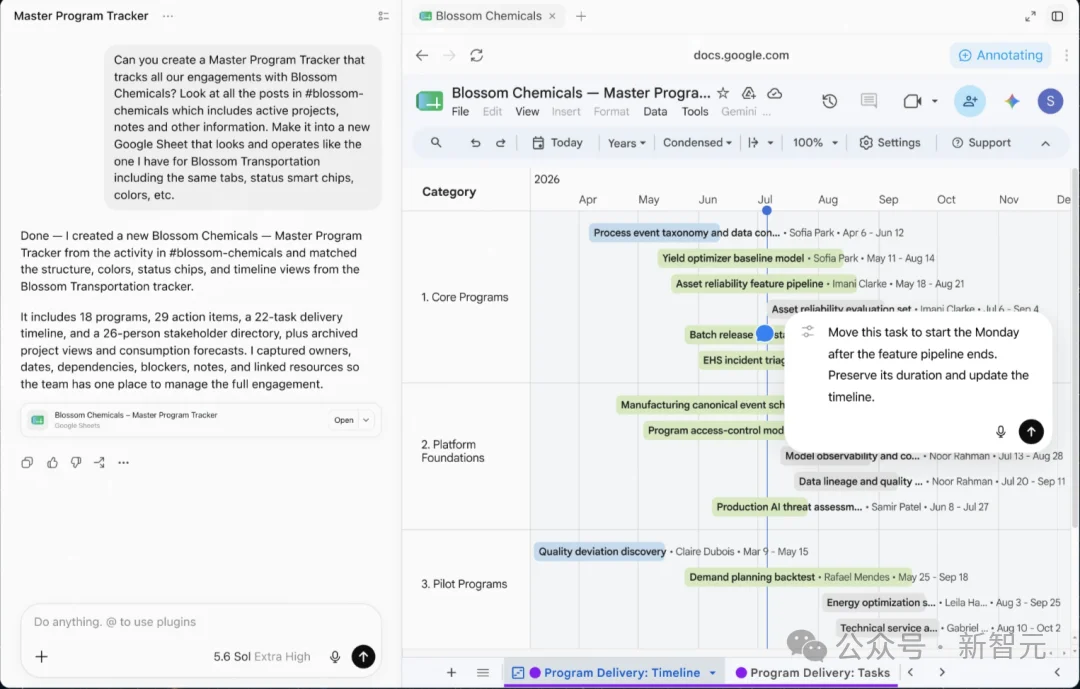
“ChatGPT is no longer an answer machine — it’s your partner for complex work.”
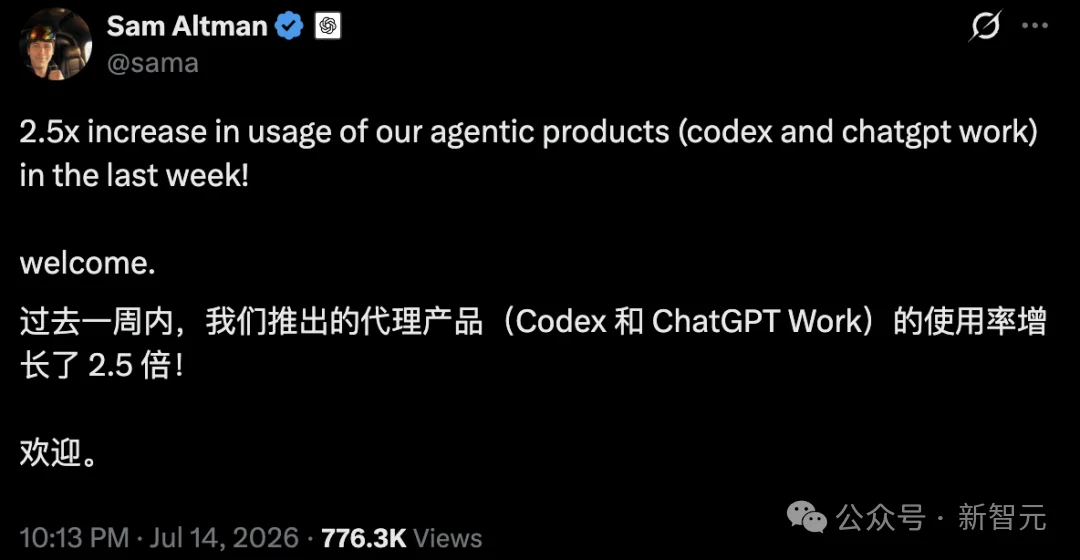
🔮 What’s Next? Not GPT-6 — But GPT-Work
Altman’s “most outstanding 12 months ahead” isn’t betting on a new model number — it’s betting on agentic maturity: AI that plans, tools, iterates, and delivers outcomes — not just replies.
And Friar’s metric provides the economic engine: When UI/$ improves over time — i.e., more successful tasks per dollar, with rising quality — the flywheel spins faster:
Better infra → Stronger models → Better products → Higher adoption → More revenue → Next-gen R&D
Ultimately, this war won’t be won by parameter count — but by who becomes your AI colleague first.
References
• Sam Altman’s X Post
• Jeremy Nguyen on Token Subsidy Economics
Article originally published by XinZhiYuan.