Jensen Huang’s First X Post Endorses Open-Weight AI
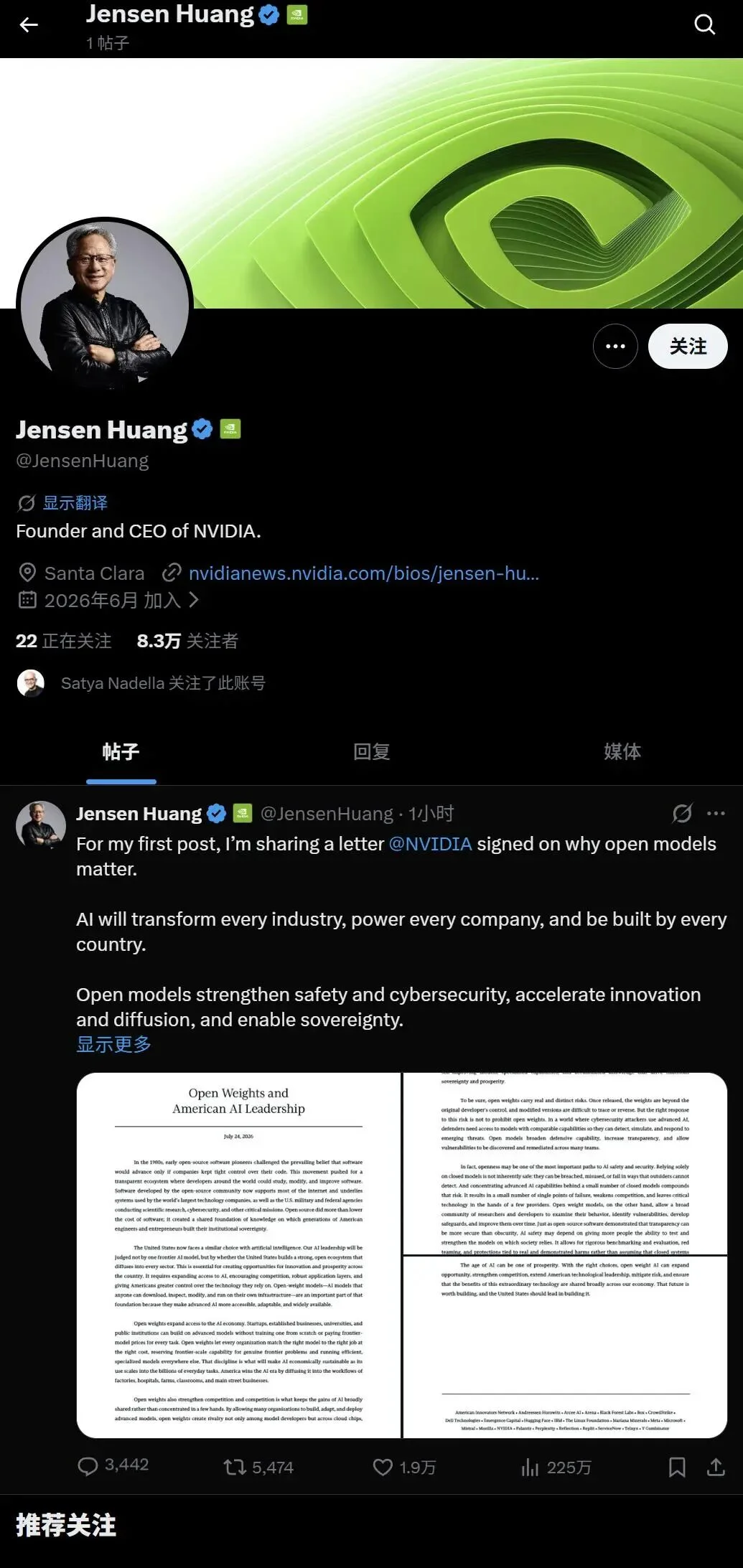
A landmark moment in AI governance: NVIDIA CEO Jensen Huang has officially joined X (formerly Twitter) — and his debut post is no mere introduction. It’s a powerful, coordinated statement of principle: the urgent need to champion open-weight artificial intelligence models.
The Historic Debut
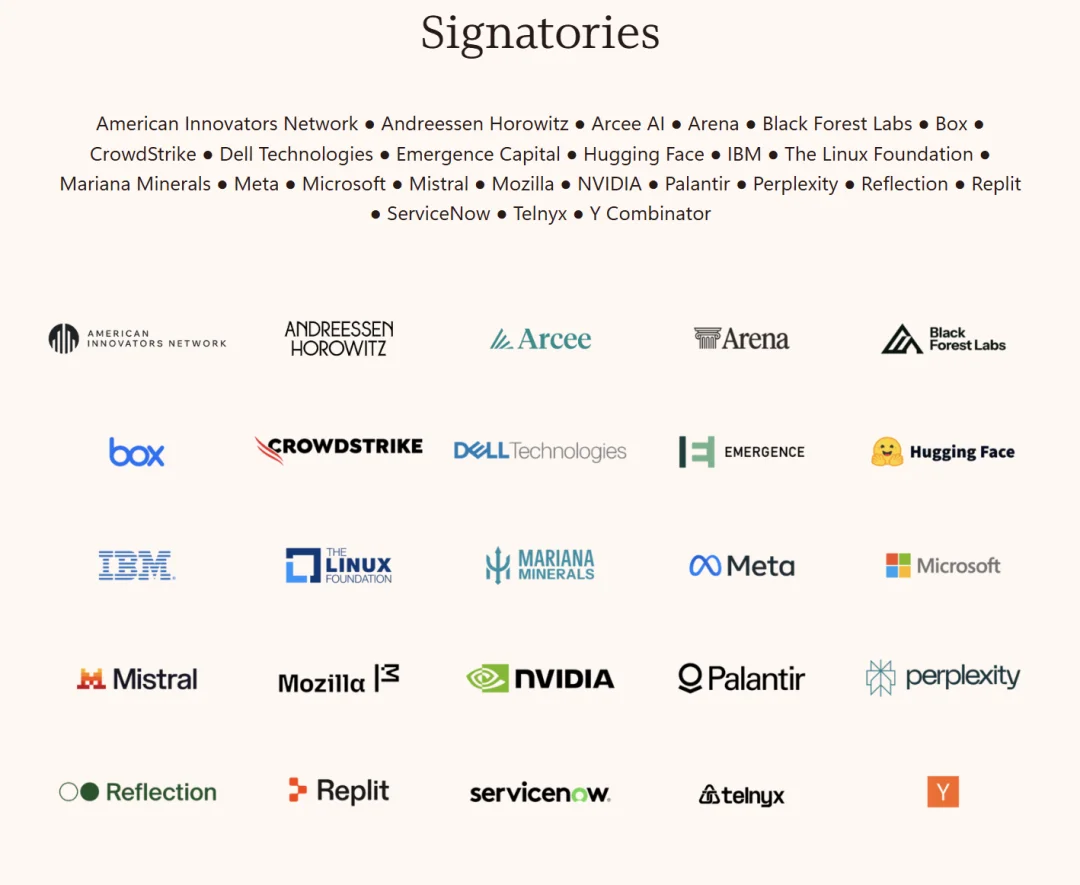
Huang’s first post — sent from a newly registered account — shares the open letter “Open Weights and U.S. AI Leadership”, jointly signed by over 20 leading technology organizations, including:
- NVIDIA, Microsoft, and Meta
- Hugging Face, Mistral AI, and Y Combinator
- Numerous U.S. startups and venture capital firms
This coalition signals a unified front in support of transparent, accessible, and sovereign AI development — directly countering growing regulatory pressure against open models.
Why Open Weights Matter: Core Arguments
The letter outlines a compelling, multi-layered rationale for open-weight models — framing them not as alternatives, but as foundational infrastructure for national resilience and economic vitality:
✅ Strategic & Economic Benefits
- Democratizes AI access: Enables startups, universities, and public agencies to deploy state-of-the-art models without prohibitive cloud API costs or vendor lock-in.
- Enables model specialization: Organizations can fine-tune, audit, and run models on-premises — matching capability to task while reserving frontier-scale compute for truly novel challenges.
- Drives broad-based innovation: Fosters competition across hardware (chips), software (frameworks), and services — lowering costs and accelerating adoption across factories, hospitals, farms, and classrooms.
✅ Security & Sovereignty Imperatives
- Strengthens defense capabilities: Cybersecurity defenders require access to similarly capable models to detect, simulate, and counter AI-powered threats — something closed systems inherently restrict.
- Prevents single-point failure: Concentrating AI power in a few proprietary black boxes increases systemic risk. Open weights enable global scrutiny, red-teaming, and collaborative hardening — echoing the proven security benefits of open-source software.
- Preserves technological sovereignty: Empowers organizations to retain data control, customize behavior, and embed domain-specific knowledge — turning AI investment into owned intellectual capital.
⚠️ Addressing Risks Responsibly
The letter acknowledges legitimate concerns — such as misuse of modified weights — but argues that restriction is not the solution. Instead, it advocates for:
– Investment in shared evaluation frameworks, safety benchmarks, and red-team tooling
– Policy that distinguishes ethical model distillation (a standard R&D practice) from illicit IP extraction
– Avoiding premature export controls that stifle domestic innovation and push talent overseas
The Kimi K3 Catalyst
This coordinated advocacy was galvanized by the July 16, 2026 release of Kimi K3, the groundbreaking open-weight large language model developed by Moonshot AI:
- Largest publicly available open model: 2.8 trillion parameters
- Architectural breakthroughs: Achieves near-Fable-5-level coding proficiency
- Global demand surge: Immediate sell-outs on web interface and coding packages; Hugging Face launched an official countdown page
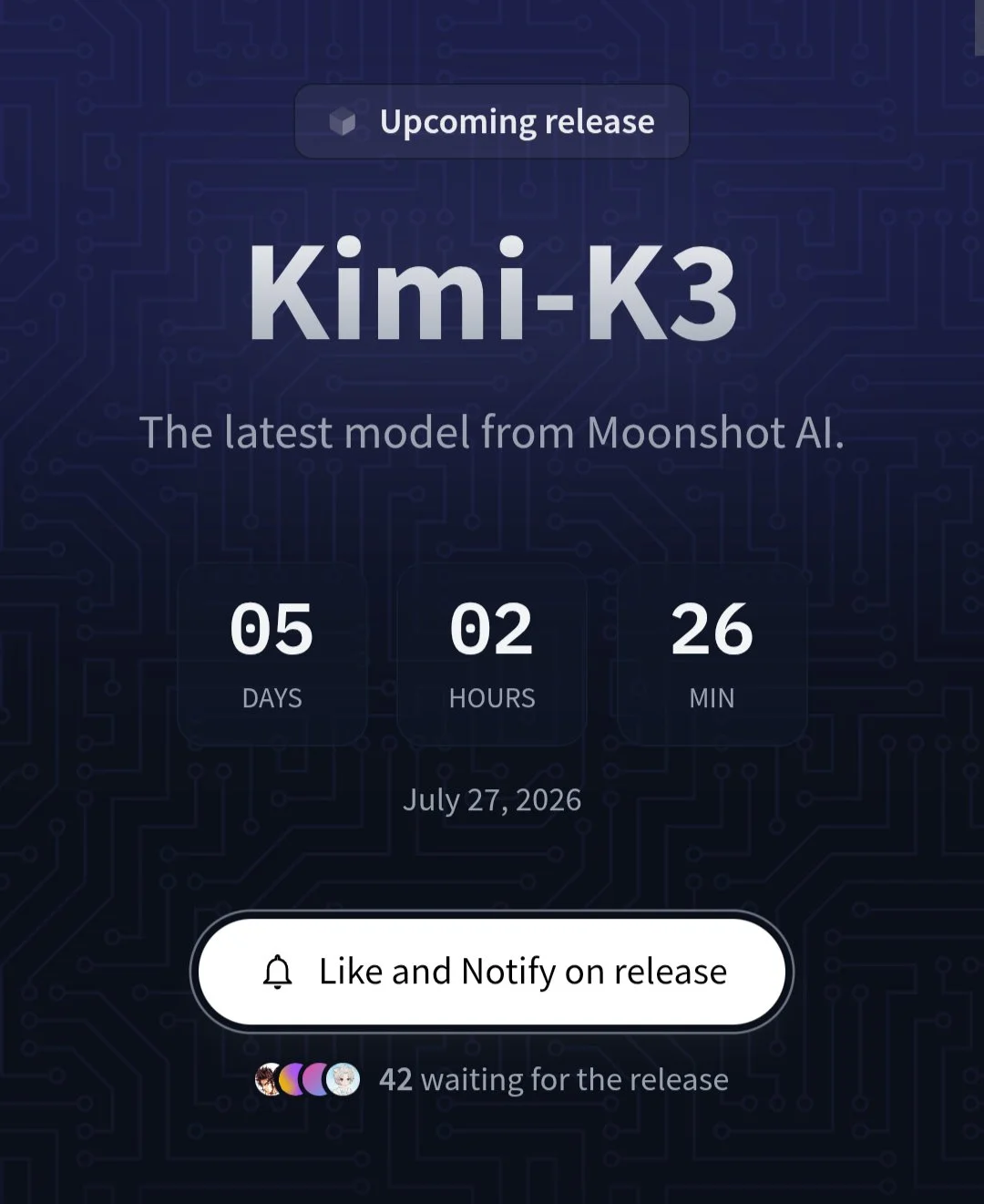
However, Kimi K3’s success triggered alarm at OpenAI and Anthropic — leading to lobbying efforts alleging IP theft via model distillation. Reports indicate the U.S. Treasury is considering restrictions on certain Chinese open models.
In response, nearly 200 U.S. startups formed the Little Tech Association, warning that banning affordable open models would cripple early-stage innovation and force cash-strapped founders into unsustainable API dependency.
A Defining Inflection Point
Huang’s X debut — bypassing GPUs or new architectures to spotlight an open-letter — underscores how deeply the industry views this as an existential choice: open ecosystems versus concentrated control.
As the letter concludes:
“The AI era can be one of prosperity. With the right choices, open AI can expand opportunity, strengthen competition, reinforce U.S. tech leadership, reduce risk, and ensure the benefits of this extraordinary technology reach every level of our economy. That future is worth building — and America should lead it.”
Reference: Microsoft Open Weight Initiative
Article adapted from Machine Heart.