Hangzhou’s First AI-Displacement Case: 35-Year-Old Manager Wins Landmark Ruling
A watershed legal decision sets precedent on AI-driven workforce restructuring and labor protections in China’s tech sector.
📌 Case Overview
In a landmark ruling widely regarded as China’s first publicly disclosed AI-displacement employment dispute, 35-year-old Mr. Zhou—a senior AI Large Language Model (LLM) Quality Assurance Supervisor at a Hangzhou-based fintech internet enterprise—successfully challenged his employer’s unilateral termination.
- Role: Oversaw human-in-the-loop validation of AI-generated user responses
- Tenure: 11+ years (joined parent company in 2013; promoted to department head in 2022)
- Compensation: ¥25,000/month → abruptly reduced to ¥15,000/month in November 2024
- Termination: Unilaterally dismissed on January 23, 2025, citing “macroeconomic downturn” and “organizational restructuring”
- Legal Outcome: Full support across labor arbitration, first-instance, and second-instance (Hangzhou Intermediate People’s Court), affirming illegal termination
The court ordered:
– Statutory N+1 severance (¥126,800)
– Additional punitive compensation (¥263,200) — totaling ¥390,000 (~$54,000 USD)
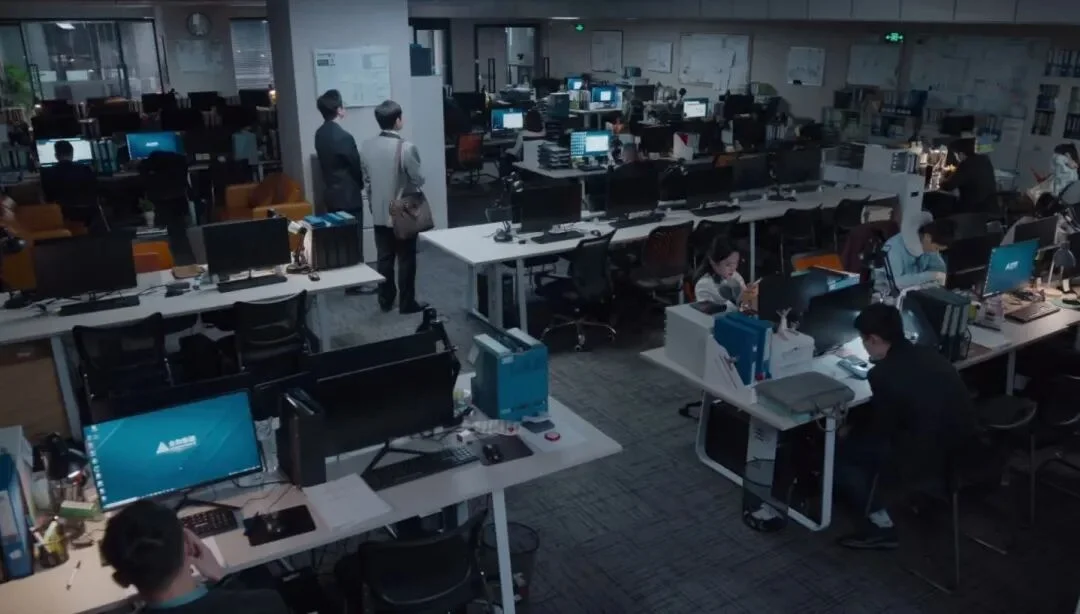
Symbolic visual: Human oversight remains indispensable amid AI advancement
⚖️ Legal Reasoning: Why “AI Cost Advantage” Is Not a Valid Ground
The Hangzhou Intermediate People’s Court explicitly rejected the employer’s justification—labeling “AI cost advantage” as an invalid basis for dismissal under Article 40(3) of China’s Labor Contract Law.
Key Judicial Findings:
| Principle | Ruling Summary |
|---|---|
| “Objective Major Change” Threshold | AI-driven optimization ≠ unforeseeable external force. The court cited MOHRSS guidance: only events like corporate relocation, merger, or asset transfer qualify—not internal strategic cost-cutting. |
| Substantive Role Elimination? | No. The QA department remained operational; most staff retained identical roles. Mr. Zhou’s expertise in financial-domain LLM evaluation and cross-functional project leadership was not replicable by current AI. |
| Employer’s Duty to Reassign/Retrain | Court emphasized employers must prioritize retraining and upward reassignment over termination—especially for high-skill roles where AI serves as augmentation, not replacement. |
| AI Capability Reality Check | Judgment noted that AI “hallucinations” remain prevalent, making human review legally and operationally essential—citing prior Hangzhou cases involving AI-generated misinformation liability. |
💡 Quote from Judge Xu Zilin (Assistant Judge, Civil Division V):
“AI development should liberate labor—not displace it arbitrarily. Employers may innovate, but must uphold labor law’s core purpose: protecting human dignity and livelihood.”

Human-AI collaboration remains central in high-stakes domains like finance
🧩 Broader Implications: Beyond One Lawsuit
This case is part of a growing national pattern—with similar rulings in Beijing (2025) and Guangzhou (2024)—but stands out for its rigorous technical and legal analysis.
🔍 Critical Questions Raised:
- Where is the line between AI-augmented work and AI-replaced work?
- How should courts assess whether a role is substantially extinguished vs. reconfigured?
- What evidence standards apply when employers claim “AI disruption”?
🛠 Proposed Safeguards (Per Legal Experts):
- Four-Dimensional Assessment Framework: Evaluate displacement via job content, skill requirements, team structure, and reporting lines
- Mandatory Impact Disclosure: Require pre-implementation AI deployment impact reports for roles with >50% automation risk
- Government Co-Governance: Joint AI Employment Guidelines from courts + HR authorities, including targeted re-skilling subsidies
- Ethical Guardrails: Ban algorithmic performance monitoring without transparency and appeal rights
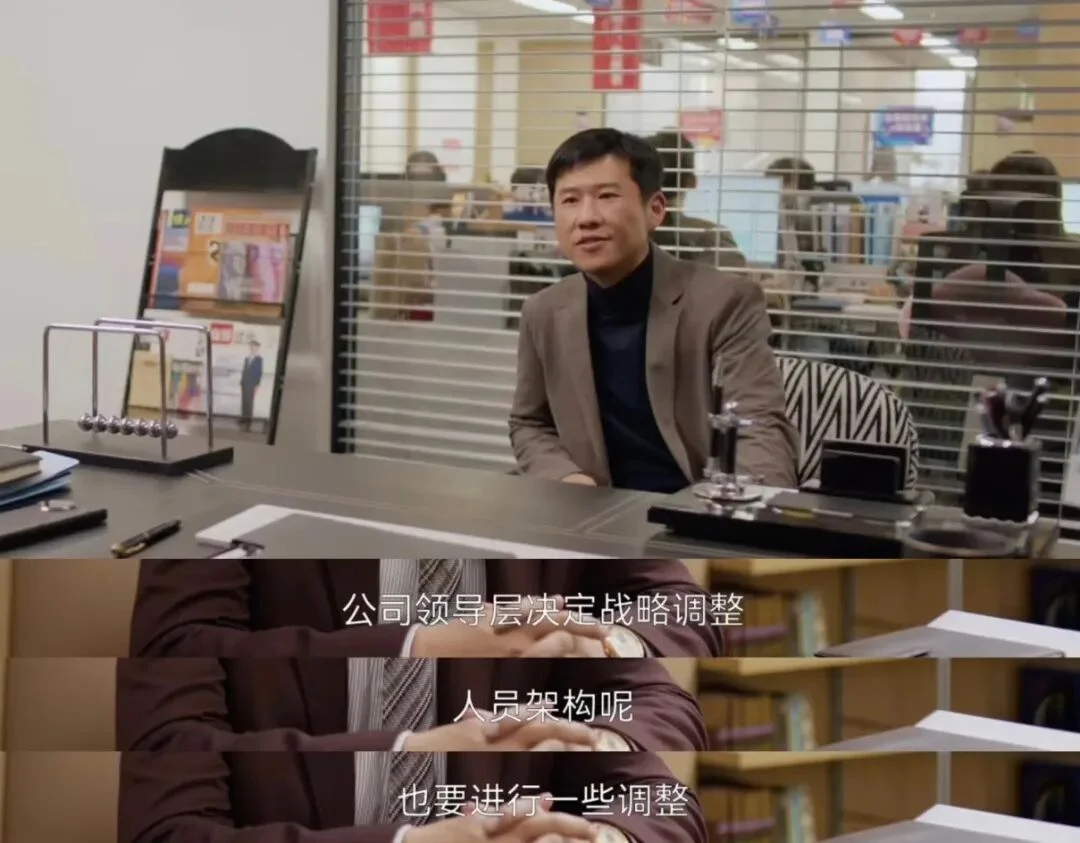
Balancing technological progress with social responsibility
📈 Industry Context & Urgency
- Global Trend: From Goldman Sachs to JP Morgan, AI-driven QA/ops roles face heightened automation pressure
- Vulnerability Profile: Mid-career professionals (30–45) in data labeling, customer service, and compliance are at highest displacement risk
- Reality Gap: As lawyer Jiang Xiao Tong observed: “Workers’ upskilling pace lags far behind AI iteration speed—creating systemic fragility.”
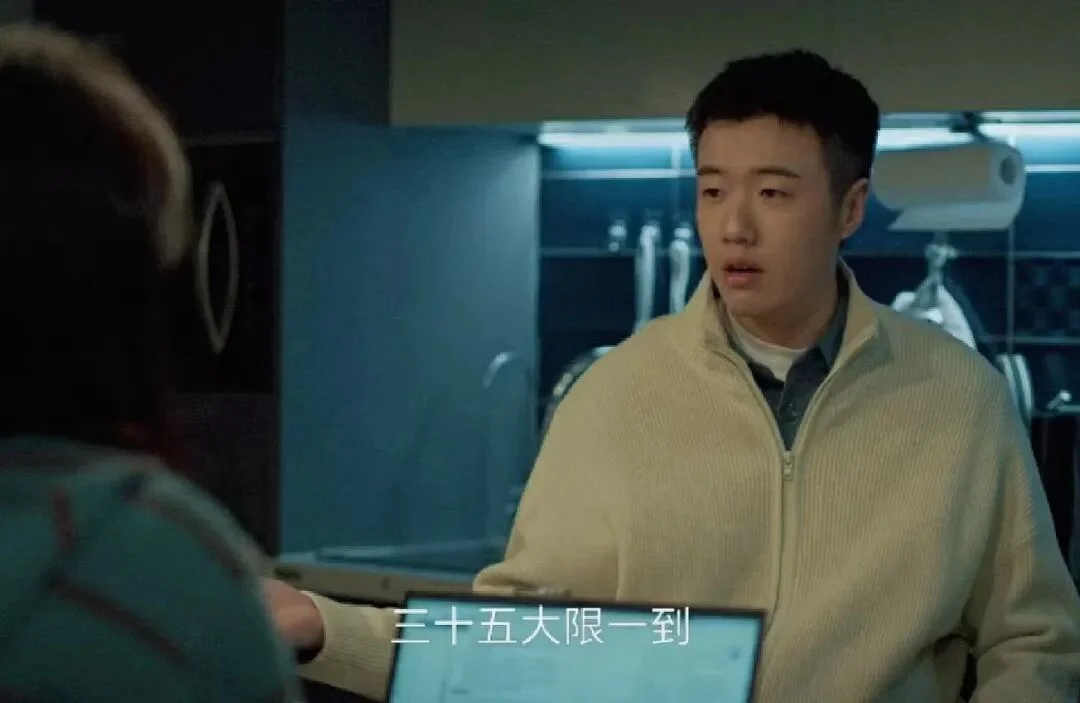
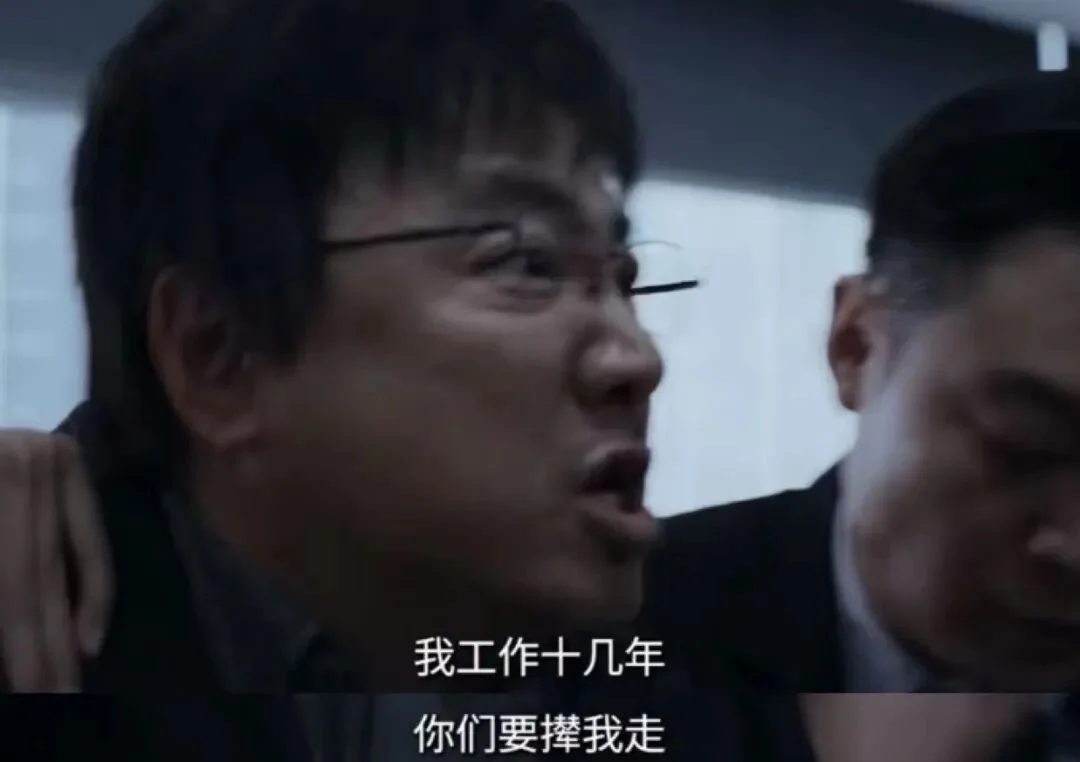
📸 Visual reference: Workers navigating AI transition in real-world settings
Automation coexists with human roles—but does not eliminate their strategic value
Why human validation remains non-negotiable in regulated industries
Proactive adaptation beats reactive litigation

✅ Conclusion: A Blueprint for Responsible AI Transition
The Hangzhou ruling affirms a foundational principle: AI adoption must align with labor law—not override it. It rejects the notion that technological convenience justifies eroding worker protections. Instead, it mandates thoughtful transition pathways—prioritizing retraining, ethical redesign, and shared value creation.
As Judge Shi Guoqiang summarized: “The future belongs not to AI or humans—but to AI with humans. Our laws must reflect that truth.”
Source: Adapted from interviews with Hangzhou Intermediate People’s Court judges and counsel, published by Sanlian Life Weekly.

Collaborative intelligence as the sustainable model
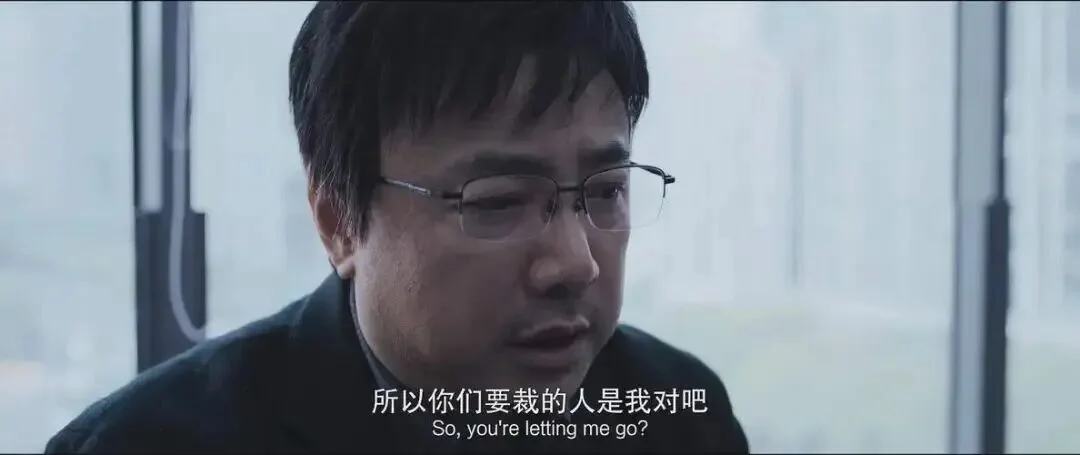
Multi-stakeholder governance for AI labor transitions
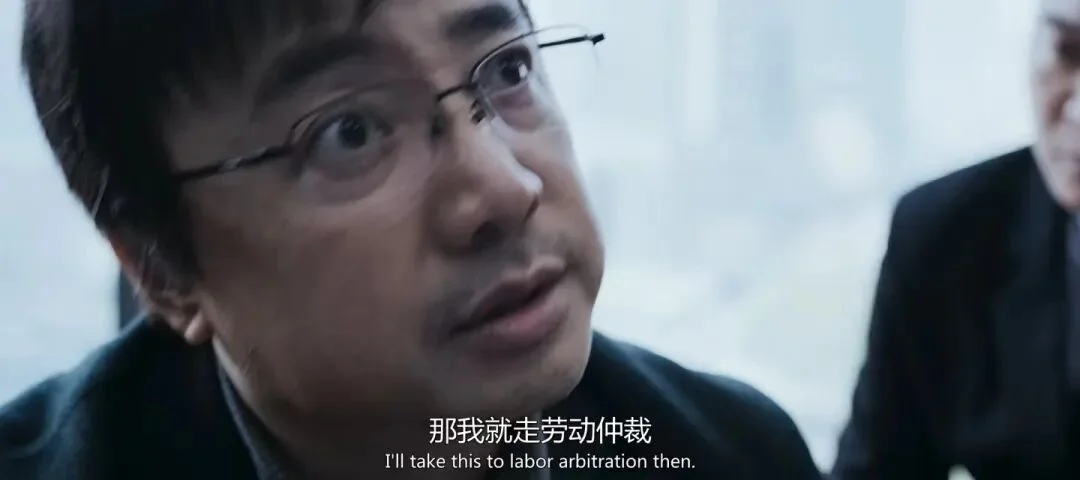
Building resilience through policy, education, and advocacy

Upskilling as continuous, supported, and accessible
Article originally published by Sanlian Life Weekly.